


Burlington, VT Motorcycle Accident Lawyers
We Help Riders Take Back Control
A motorcycle crash can leave you hurt, exposed, and extremely stressed out. One second, you’re riding through Burlington, heading along Route 7, merging near I-89, or moving through downtown traffic. Next, a driver turns left in front of you, changes lanes into your bike, rear-ends you, or hits you because they were distracted. You’re left with pain, medical bills, missed work, and a long road ahead.
At Horn Wright, LLP, our Burlington motorcycle accident attorneys help injured riders and passengers fight back after serious crashes. We know riders often get blamed before anyone looks at the evidence. That is unfair, and it can put your claim at risk. Our team can take that stress off your shoulders, deal with the insurance company, and seek the compensation you deserve while you focus on healing.
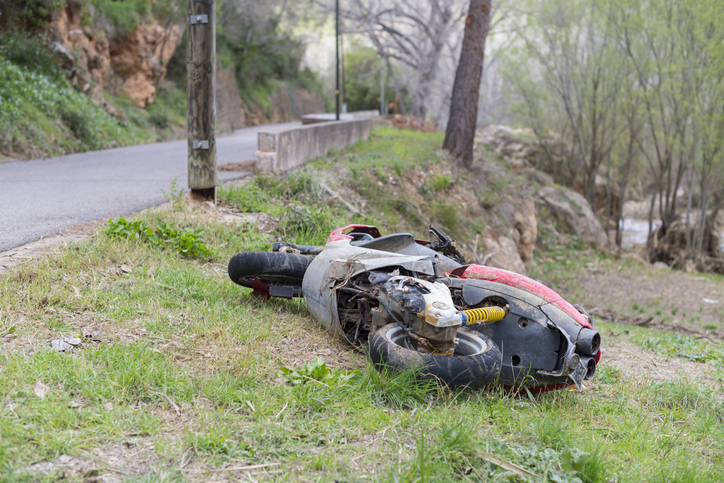
Burlington Motorcycle Accidents Can Shatter a Rider’s Life in Seconds
Motorcycle crashes are different from car accidents. Riders do not have the same protection as drivers inside cars and trucks. There is no metal frame around you. No airbag between you and the road. No seatbelt holding you in place. When a driver makes one careless move, your body can take the full force.
Burlington traffic can be rough on riders. Cars pull out from side streets. Drivers misjudge gaps. Some fail to check mirrors before changing lanes. Others speed, tailgate, text, or turn left across a rider’s path. A driver may claim they “never saw” the motorcycle. That excuse does not erase the harm.
Motorcycle crashes can happen in many ways. A left-turn crash can throw a rider over the hood. A rear-end impact can push a bike into traffic. A lane-change crash can force a rider off balance. Gravel, debris, potholes, or bad road conditions can make a rider lose control. A drunk or speeding driver can turn a normal ride into a life-changing injury. The crash scene may clear fast, but the damage stays. Road rash, broken bones, head injuries, spinal cord trauma, torn ligaments, nerve damage, and emotional distress can affect every part of your life.
What to Do After a Motorcycle Accident in Burlington When Everything Hurts
After a motorcycle crash, your first priority is safety and medical care. Move out of traffic if you can do so without making your injuries worse. Call 911. Ask for police and emergency medical help. Even if you think you can stand, let medical professionals check you.
Motorcycle injuries can be sneaky. Adrenaline may hide pain. A head injury may not feel obvious right away. Road rash may look like scraped skin, but it can involve deep tissue damage, infection risk, and scarring.
Try to:
- Get medical care right away, even if your pain seems manageable.
- Take photos of your bike, injuries, skid marks, debris, traffic signs, and the crash scene.
- Get the driver’s name, insurance details, plate number, and contact information.
- Ask witnesses for names and phone numbers.
- Save your helmet, riding gear, boots, gloves, and damaged clothing.
Do not argue with the driver. Do not admit fault. Do not guess about your speed or what you “could have done.” You may be in shock, and early statements can get twisted later.
If the crash happened on Route 7, near I-89, in a parking area, or at an intersection, details matter. Lane position, sight lines, traffic signals, road surface, and vehicle damage can all help show what happened.
Motorcycle Accident Injuries in Burlington Deserve Serious Attention
Motorcycle injuries can change your daily life fast. A broken wrist can keep you from working. A leg fracture can make stairs, driving, and sleep painful. Road rash can require wound care, antibiotics, skin grafts, or scar treatment. A concussion can make light, noise, screens, and basic tasks feel exhausting.
Some injuries are catastrophic. A spinal cord injury can affect movement, independence, bladder function, sensation, and long-term care needs. A head injury can affect memory, mood, focus, and personality. Nerve damage can cause burning pain, weakness, numbness, or loss of function.
Medical treatment does more than help you heal. It creates a record that connects your injuries to the crash. Insurance companies look for gaps. They may say you were not really hurt. They may claim your pain came from an old injury. They may argue your treatment was too much or too late.
That does not mean a delay destroys your claim. Real life happens. You may hope the pain fades. You may worry about bills. You may need transportation. Still, getting care as soon as possible can protect your health and make your case stronger.
How to Prove a Driver Caused a Burlington Motorcycle Accident
To recover compensation, you usually need to show that another driver acted carelessly and caused your injuries. That may sound simple. It often is not.
Drivers may deny fault. They may say the motorcycle came out of nowhere. They may claim the rider was speeding. They may blame road conditions, traffic, or poor visibility. Insurance companies may repeat those claims because blaming riders can save them money.
Helpful evidence may include:
- Police reports, crash photos, 911 records, and witness statements
- Helmet cam, dashcam, traffic camera, or nearby business video
- Vehicle damage, bike damage, skid marks, debris, and road surface photos
- Medical records, repair estimates, expert reports, and phone records
Some crashes need deeper investigation. A left-turn motorcycle crash may depend on who had the right of way. A lane-change crash may turn on blind spots, mirror checks, and lane position. A rear-end motorcycle crash may involve following distance and speed. A hit-and-run case may require video, paint transfer, witness help, and uninsured motorist coverage.
Evidence can disappear fast. Vehicles get repaired. Video gets erased. Debris gets cleared. Witnesses forget details. That is why early action matters.
Why Insurance Companies Blame Motorcyclists After Burlington Crashes
Riders know the stereotype. Insurance companies use it too. They may act like every motorcyclist is reckless, fast, or hard to see. That bias can hurt your claim before the facts are even reviewed.
The insurance company may ask for a recorded statement. Be careful. A recorded statement can feel routine, but it may be used against you later. You may be asked how fast you were going, where you were looking, whether you saw the car, why you did not brake sooner, and whether your injuries are improving. A small guess can become a big problem.
Insurers may also deny claims by arguing:
- You were speeding or lane splitting.
- You were partly at fault.
- Your injuries were not caused by the crash.
- Your treatment was too expensive.
- Your bike damage does not match your injury claim.
A denial can feel like a dead end. It often is not. Insurance companies do not get the final say on what happened or what your case is worth.
Can You Recover Compensation If You Were Partly at Fault in Vermont?
Fault is not always all-or-nothing. Vermont follows modified comparative negligence. An injured person may still recover damages if their negligence was not greater than the total negligence of the defendant or defendants, but the recovery can be reduced by the injured person’s share of fault.
That rule matters in motorcycle cases because insurers often try to assign blame to riders. They may argue you were going too fast, did not brake soon enough, failed to wear bright clothing, or should have seen the driver sooner. A claim may still be strong even if the insurance company blames you. Maybe the driver turned left without yielding. Maybe the driver changed lanes without checking. Maybe a drunk or distracted driver hit you. Maybe poor road conditions played a role, but another party failed to fix or warn about the danger.
Vermont also requires motorcycle operators and passengers on highways to wear protective headgear that meets federal motor vehicle safety standards. If you were not wearing a helmet, the insurance company may try to use that against you, especially in a head injury claim. But helmet use does not automatically answer every fault, injury, or damages question.
What a Burlington Motorcycle Accident Claim May Be Worth
The value of a motorcycle accident claim depends on the facts. No honest lawyer can give one number without reviewing the injuries, treatment, fault issues, insurance coverage, lost income, and future care needs.
A claim may include compensation for:
- Emergency care, surgery, hospital stays, therapy, and future treatment
- Lost wages, reduced earning ability, and missed work opportunities
- Motorcycle repair or replacement, gear damage, and out-of-pocket costs
- Pain, emotional trauma, scarring, disability, and loss of enjoyment of life
Road rash can be worth more than people expect, especially when it causes infection, permanent scarring, nerve pain, or skin graft needs. Broken bones can affect work, sleep, mobility, and daily routines. Head and spinal injuries can change a person’s whole future.
Lost wages also matter. If you cannot ride, drive, lift, stand, type, or return to your trade, your financial losses may grow fast. A claim should look at what you have already lost and what you may lose later. You should be careful with the first settlement offer. Early offers may arrive before doctors know your long-term outlook. Once you sign a release, your claim may be over.

Who Pays Medical Bills After a Burlington Motorcycle Crash?
After a crash, medical bills may come from the ambulance, emergency room, hospital, imaging center, surgeon, physical therapist, pharmacy, and follow-up doctors. That can feel crushing when you are already out of work.
Who pays depends on the available coverage and the facts. Health insurance may pay some bills first. Motorcycle insurance, auto policies, uninsured motorist coverage, underinsured motorist coverage, MedPay, or the at-fault driver’s liability coverage may also matter. If a hit-and-run driver caused the crash, your own policy may become important.
If the crash involved a drunk driver, delivery driver, business vehicle, out-of-state driver, or poorly maintained road, other insurance or responsible parties may need review. Road defect cases can be complex because they may involve government entities, contractors, or maintenance companies. Medical bills should not be reviewed in isolation. Future care matters too. A rider with a spinal injury, head injury, fracture, nerve damage, or severe road rash may need ongoing treatment long after the first bills arrive.
Vermont Motorcycle Accident Deadlines Can Put Your Claim at Risk
Time matters after a Burlington motorcycle crash. Vermont’s general personal injury statute of limitations gives three years for actions involving injuries to the person or property. That deadline is important, but waiting can still harm your claim.
Evidence fades fast. Skid marks disappear. Road debris gets cleared. Potholes get patched. Surveillance video gets erased. Witnesses move or forget what they saw. Your damaged helmet, bike, and gear may also provide proof, so preserve them.
Some cases may involve shorter or different rules. Claims involving government road maintenance, fatal crashes, minors, or unusual insurance issues may need fast attention. Settlement timing also varies. Some motorcycle accident claims resolve after treatment is complete. Others take longer because the insurer disputes fault, denies coverage, or refuses to value serious injuries fairly.
Settling too early can cost you. You may not know yet whether you need surgery, scar treatment, counseling, long-term therapy, or a different job. The full story of your injury should be understood before the case is resolved.
Burlington Motorcycle Crash Risks: Left Turns, Lane Changes, Bad Roads, and Hit-and-Runs
Many Burlington motorcycle crashes follow patterns. A driver turns left across traffic and fails to yield. A car changes lanes into a rider. A distracted driver looks at a phone instead of the road. A speeding driver misjudges stopping distance. A drunk driver drifts across the lane.
Road conditions can also be dangerous for riders. Gravel, sand, loose debris, potholes, uneven pavement, poor drainage, and construction zones can create real risk. A hazard that barely affects a car can throw a motorcycle off balance. Bad road claims can be harder because you must identify who was responsible for the road, whether they had notice, and whether they had enough time to fix or warn about the danger. But those cases should not be dismissed without investigation.
Passengers have rights too. A motorcycle passenger may bring a claim against the at-fault driver, another vehicle, or even the motorcycle operator if negligence caused the crash. Passengers often face the same serious injuries with even less control over what happened.
Fatal Motorcycle Accidents in Burlington Leave Families Searching for Answers
Fatal motorcycle crashes are devastating. Families are left with grief, funeral costs, lost income, and painful questions about what could have been done differently. Was the driver distracted? Did the driver turn without yielding? Was alcohol involved? Did unsafe road conditions contribute? Did the insurance company try to blame the rider before the investigation was complete?
Vermont law allows a wrongful death action when death is caused by another person’s wrongful act, neglect, or default. The claim is generally brought by the personal representative for the benefit of surviving family members. Vermont law also provides deadlines for wrongful death claims, so families should treat time as part of the case, not a distant issue.
A fatal crash claim may include funeral expenses, financial losses, loss of support, and the deep personal harm caused by losing someone you love. No claim can undo the loss. But it can seek accountability and protect the family’s future.

When a Burlington Motorcycle Accident Is Too Serious to Handle Alone
Not every minor crash needs a lawyer. But legal help may make a real difference when you suffered road rash, broken bones, a head injury, a spinal cord injury, nerve damage, scarring, infection, lost wages, or long-term pain. A lawyer can also help when the insurer blames you, denies the claim, pushes a fast settlement, or asks for a recorded statement.
A motorcycle accident lawyer can investigate the crash, gather evidence, preserve video, identify insurance coverage, calculate damages, deal with adjusters, and protect you from unfair rider bias.
Focused resources can also answer deeper questions, such as what to do after being hit on a motorcycle in Burlington, how to file a motorcycle accident claim in Vermont, what evidence helps prove a motorcycle accident claim, and how long you have to sue after a motorcycle accident in Vermont.
Talk With Horn Wright, LLP About Your Burlington Motorcycle Accident Claim
After a motorcycle crash, you deserve answers, support, and a plan that protects your future. Horn Wright, LLP represents injured riders and families in Burlington motorcycle accident claims involving left-turn crashes, lane-change collisions, rear-end impacts, hit-and-runs, drunk drivers, distracted drivers, bad roads, serious injuries, and fatal crashes.
Our attorneys know how to push back when insurers blame riders and undervalue real harm. You’ve already been through enough. Let our team carry the legal pressure while you focus on your health, your family, and your recovery.

What Sets Us Apart From The Rest?
Horn Wright, LLP is here to help you get the results you need with a team you can trust.
-
Client-Focused ApproachWe’re a client-centered, results-oriented firm. When you work with us, you can have confidence we’ll put your best interests at the forefront of your case – it’s that simple.
-
Creative & Innovative Solutions
No two cases are the same, and neither are their solutions. Our attorneys provide creative points of view to yield exemplary results.
-
Experienced Attorneys
We have a team of trusted and respected attorneys to ensure your case is matched with the best attorney possible.
-
Driven By Justice
The core of our legal practice is our commitment to obtaining justice for those who have been wronged and need a powerful voice.