


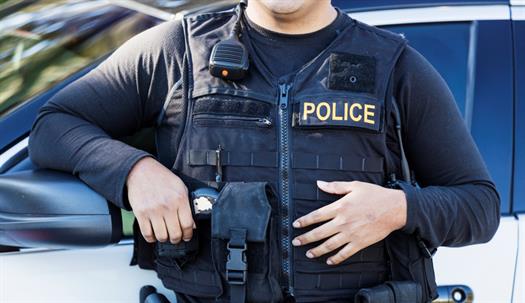
Proving Excessive Force Without Bodycam Evidence in New York
After an encounter with police that turns violent, many people walk away not just hurt, but also feeling invisible. When there’s no bodycam footage, that sense of helplessness can deepen. You might ask yourself, "How will anyone believe me?" or "What proof do I even have?" It’s hard to move forward when it feels like the truth disappeared the moment the camera didn’t roll.
Here’s the truth: video helps, but it isn’t everything. Just because there’s no bodycam doesn’t mean you can’t prove what happened. At Horn Wright, LLP, our attorneys understand the fear and frustration that come after an incident involving excessive force. We’ve helped people across New York hold officers accountable using eyewitness testimony, medical records, expert analysis, and more. When video is missing, we leave no stone unturned.
Why Bodycam Footage Isn’t the Whole Story
Body-worn cameras were introduced to promote transparency, but they aren’t a magic solution. Many police departments in New York still don’t require them across the board. And even when they are issued, they’re not always turned on, maintained properly, or used according to policy.
Some officers forget to activate them. Others disable them before a confrontation. Sometimes the footage gets "lost" or corrupted before it's ever reviewed. In rural counties, smaller police departments may not even have the budget for bodycams. Even in big cities, the technology isn’t foolproof. Batteries die. Angles miss critical moments. Audio drops out. These failures can directly affect your Fourth Amendment protections.
It’s easy to feel like your case won’t stand up without video. But the legal system doesn’t work that way. Courts consider the totality of evidence. Judges and juries are trained to weigh medical records, eyewitness accounts, police statements, and expert testimony. It’s not about one single piece of proof. It’s about building a story that adds up. Video can help. But it’s far from the only thing that matters. That’s why victims still succeed when pursuing excessive force claims.
Other Evidence That Can Strengthen Your Case
In the absence of bodycam footage, your case can still be built on solid ground. There are other sources of evidence that, when pieced together, create a powerful narrative of what occurred.
Eyewitness Testimony: People who were nearby, e.g., a neighbor, a passerby, even someone recording on their phone, can give an independent account of what they saw and heard. Courts take these accounts seriously, especially when they come from neutral bystanders, and they are often pivotal in proving a civil rights case.
Medical Records: Injuries are often the most objective evidence available. A doctor’s report showing blunt force trauma, broken bones, or bruises in key areas can speak volumes. Medical documentation may also include mental health diagnoses related to trauma. These records offer a clinical look at the impact of excessive force injuries.
Surveillance Footage: You’d be surprised how many moments get picked up by unrelated cameras. Storefront security, traffic cameras, ATM video, or doorbell cameras may have captured important angles. It takes digging, but we often find footage that helps fill in the gaps.
Officer Disciplinary Records: If the officer involved has a pattern of misconduct, that matters. Prior complaints, internal investigations, or disciplinary action can be used to show that this wasn’t a one-time event. Evidence of officer disciplinary records can help shift the credibility balance in your favor.
Police Reports and Internal Documents: Official police narratives sometimes tell a very different story than what actually happened. When those reports contain contradictions or timelines that don’t match up with medical or witness accounts, that opens the door to challenging the officer’s version. These inconsistencies can be especially powerful in filing an excessive force claim against police.
Here’s a summary of strong alternative evidence:
- Eyewitness and bystander statements
- Medical reports documenting physical and psychological injury
- Footage from traffic, security, or personal devices
- Officer personnel files and complaint histories
- Police reports with inconsistencies or gaps
Using Expert Witnesses to Rebuild the Scene
Sometimes, the pieces of a case don’t come together until someone with technical expertise examines them. That’s where expert witnesses come in. They help interpret facts in a way the average person or jury might not fully understand.
Medical Experts can testify about injuries. For example, they may explain how a person’s bruising pattern is consistent with being struck multiple times, or how certain fractures couldn’t have happened from “just falling.”
Use-of-Force Experts are often former law enforcement officers who understand police protocol inside and out. They evaluate whether an officer’s actions followed training and reasonable standards. If a suspect wasn’t resisting, but the officer used punches or a taser, that expert can highlight how that use of force was excessive.
Forensic Experts can examine the scene itself. They can analyze things like blood spatter, location of injuries, or even the timing of events to show what actually happened. This type of analysis can become key when dealing with excessive force incidents involving non-lethal weapons.
In short, experts translate technical evidence into plain language that supports your side of the story.
Legal Standards for Proving Excessive Force in New York
The legal test used by courts comes from the Fourth Amendment. It centers on what’s called "objective reasonableness." That means a judge or jury asks: Would another reasonable officer in that same moment have believed this level of force was necessary?
The standard isn’t about what the officer intended. It’s about what was objectively reasonable based on:
- The severity of the alleged crime
- Whether there was an immediate threat to the officer or others
- Whether the person was actively resisting or trying to flee
Put simply: Was the officer’s reaction way out of proportion to the situation?
Let’s say someone is being arrested for a non-violent offense, like a traffic violation. If that person is complying and not resisting, and the officer uses pepper spray or slams them to the ground, that could qualify as excessive force during an arrest or detention.
Every case is different. But the law requires police to use only as much force as the situation demands. Anything more could be grounds for a civil rights lawsuit.
Challenges Victims Face Without Bodycam Evidence
Even with a strong case, victims face real obstacles when there’s no video evidence.
Credibility Battles: Courts often give weight to officers’ testimony. Without video, it can turn into a "he said, she said" dynamic. Officers wear a badge. That gives their word a built-in sense of authority, unless you have strong evidence that contradicts it.
Institutional Resistance: Police departments sometimes push back. Records get delayed. Internal documents are heavily redacted. Sometimes they simply refuse to cooperate. That creates barriers to accessing the full story.
The Emotional Toll: Retelling the story of a traumatic event over and over again can reopen wounds. Victims often deal with shame, fear, or self-doubt—especially if they think no one will believe them. This emotional weight shouldn’t be underestimated.
Practical Hurdles: Evidence doesn’t always stay available forever. Surveillance footage might be erased after 30 days. Witnesses move or lose interest. Important documents could be "misplaced." Timing, in these cases, matters a lot.
Despite all of this, justice is still possible. But it takes persistence, a clear strategy, and often legal intervention to keep the process moving. Many succeed by hiring an attorney who specializes in excessive force cases.
Building a Case with the Right Legal Team
Cases involving police misconduct require more than just legal knowledge. They demand investigation, pressure, and the ability to connect with judges and juries.
A skilled legal team doesn’t rely on one piece of evidence. They build a case piece by piece:
- Interviewing witnesses early, while memories are still fresh
- Pulling medical records and securing expert evaluations
- Requesting surveillance footage before it gets deleted
- Filing subpoenas to access police records and disciplinary files
- Challenging inconsistencies in police reports
When officers push back, the right team pushes harder. Excessive force claims aren’t easy. But they are winnable. The key is to stay methodical, focused, and tireless. A good attorney will treat your story with care, not just as another case file. They will dig until they uncover what others missed.
Horn Wright, LLP: Standing Up for Victims of Police Misconduct
If you or someone you love experienced excessive force and there’s no bodycam footage, don’t give up. At Horn Wright, LLP, we build strong cases even when video is missing. Our attorneys know how to gather every shred of available evidence, from medical files to expert testimony to eyewitness accounts. We understand what it takes to go up against institutions and demand accountability.
You deserve to be heard. We’re here to help you tell your story, fight back, and seek the justice you deserve. Learn more about our civil rights law practice or connect directly with an attorney to discuss your case.