


Firearm Accident Attorneys
When a Split-Second Turns Into a Lifetime
Firearms demand caution, care, and respect. But far too often, one reckless moment changes everything.
An unsecured handgun on a nightstand. A hunting rifle mistaken for game. A gun store ignoring red flags during a sale. These are painfully real, and they happen across New York and the Northeast every year.
At Horn Wright, LLP, we represent people and families impacted by negligent gun ownership, defective firearms, and preventable shooting injuries. From Manhattan apartments to rural ranges in Vermont, our team investigates the facts, builds airtight claims, and holds negligent parties accountable. If you’re dealing with the aftermath of a firearm accident, we’re here to help you seek compensation and peace of mind.
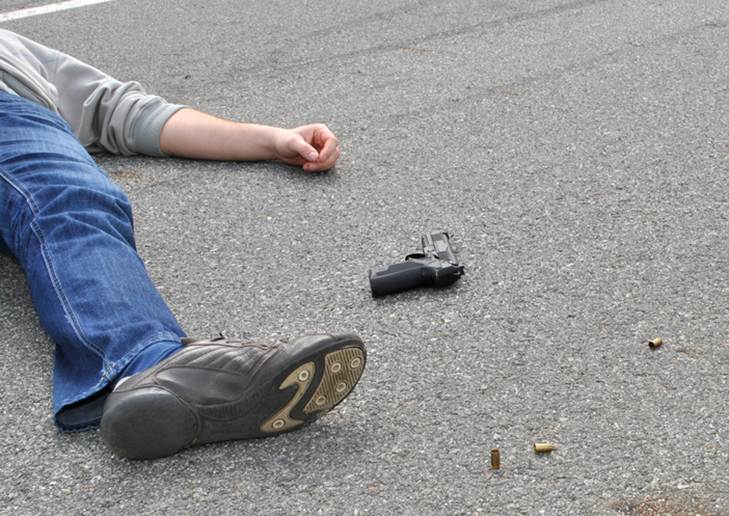
Why Do Gun Accidents Happen So Often?
Most gun-related injuries don’t come out of nowhere. They stem from human error, ignored responsibilities, or equipment that never should’ve left the factory. Despite how quickly they unfold, many of these incidents were entirely avoidable.
The most frequent causes we see include:
- Negligent handling: mishandling firearms during cleaning, finger on the trigger, or pointing a weapon in an unsafe direction.
- Improper storage: loaded guns left in drawers, glove compartments, or under beds where children or guests can find them.
- Intoxication: alcohol and guns are a dangerous mix. Under New York Penal Law §265.35, discharging a gun while impaired is a form of negligence in itself.
- Lack of training: from unlicensed instructors to rushed certification courses, poor training leads to poor judgment.
- Mechanical failures: a faulty safety, misaligned firing pin, or defective ammo can trigger an accident.
At their root, each of these events starts with one thing: someone failed to meet a basic duty of care.
Who Can Be Held Accountable After a Firearm Accident?
The person who pulled the trigger isn’t always the only one at fault. Depending on the situation, others may be held liable too. Courts in New York and nearby states look at who had control, who knew the risks, and who could have prevented the harm.
Here are some of the parties we investigate in these claims:
- Gun owners who allow unsecured access, loan guns to inexperienced users, or ignore safe storage laws.
- Property owners or range operators when poor design, lack of supervision, or unsafe conditions cause injury.
- Instructors and training facilities for cutting corners or failing to supervise students.
- Manufacturers and gunsmiths when a design flaw or faulty repair causes a weapon to misfire.
- Retailers and dealers who ignore red flags during sales or fail to secure their inventory.
Determining responsibility often requires digging into policies, records, and behavior patterns that aren’t obvious at first glance. That’s where experienced legal insight makes the difference.
Under New York’s comparative negligence rules (CPLR §1411), even if a victim is partly responsible, they may still recover compensation. Liability is often shared, and we work to make sure each negligent party pays their fair share.
Dangerous by Design: Defective Guns and Ammo
Some accidents don’t begin with the shooter. They start in a factory or repair shop, where a bad design or assembly mistake makes a weapon dangerous from day one.
Firearm and ammunition defects we often see include:
- Firing pin malfunctions
- Cracked or poorly machined barrels
- Faulty safeties that don’t engage
- Ammunition with incorrect powder loads or labels
- Unauthorized modifications that alter performance
These cases fall under New York’s strict product liability laws, which recognize three main failure types:
- Design defects: where the weapon is unsafe as originally planned
- Manufacturing defects: where the design was sound, but execution failed
- Failure to warn: missing safety instructions or improper labeling
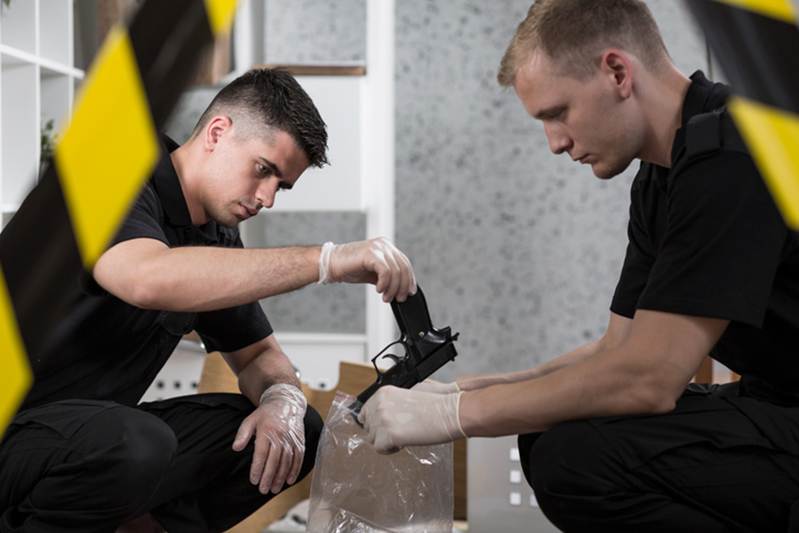
Many of these claims rely on technical documentation and forensic science. That's why it's critical to preserve the weapon, ammunition, and packaging involved. Even minor design inconsistencies or worn parts can offer key evidence of liability.
Winning these cases usually involves detailed forensic testing, expert review, and preservation of the weapon. We often secure serial number records, lot tracking for ammunition, and repair logs to uncover the truth.
When Guns at Home Become a Hidden Risk
A lot of people assume gun injuries only happen in violent crimes or chaotic scenes. But many take place in the places we feel safest, our homes and private land.
Here are common ways these incidents unfold:
- A guest, child, or roommate finds a loaded weapon left in plain sight
- A locked safe is shared or has an easy-to-guess code
- Backyard ranges or hunting cabins are built without considering bullet travel or safe backstops
In New York, Penal Law §265.45 requires locked firearm storage when children or prohibited individuals might access the weapon. Property owners have a legal duty to keep their premises reasonably safe, and ignoring firearm risks opens them up to civil liability.
What many don’t realize is that homeowners can face claims even if they weren’t the one using the gun. The key issue is foreseeability, whether they knew or should have known that someone could be harmed. Courts don’t excuse careless behavior just because it happened in someone’s personal space.
Families grieving a loss may pursue wrongful death claims under EPTL §5-4.1. These cases go beyond justice. They send a message: safety can’t be optional.
Commercial Gun Sites: Ranges, Retailers, and Risk
Gun ranges and retail stores come with built-in risks and responsibilities. When those in charge cut corners, people get hurt.
At commercial ranges, we often see:
- Poorly designed booths that allow ricochets
- Lack of supervision at the firing line
- Rentals that haven’t been properly inspected or maintained
Retailers have their own obligations. They must:
- Follow federal laws (18 U.S.C. §922) and New York GBL §898
- Refuse sales to clearly impaired or unqualified buyers
- Maintain secure storage to prevent theft or misuse
In many of these settings, we also examine training practices, hiring records, and whether safety protocols were followed consistently. One missing policy or lazy inspection routine can create serious exposure for businesses.
When businesses fail on these fronts, civil claims for negligent entrustment or even public nuisance become possible. In many cases, expert testimony from firearms instructors or former investigators reveals serious oversights.
Hunting Accidents: When the Outdoors Turns Deadly
The beauty of the Northeast’s forests and fields draws thousands of hunters every year. But the mix of excitement, adrenaline, and sometimes alcohol can create real dangers.
Frequent issues in the field include:
- Misidentifying a target
- Shooting near roads or homes
- Failing to unload during transport
- Poor communication among hunting parties
New York’s Department of Environmental Conservation (DEC) has strict safety rules. When these are violated, courts often treat the conduct as negligence per se, meaning fault is automatically assumed.
Unlike some other firearm incidents, these cases often involve people who know each other well. Hunters out together are usually friends, relatives, or longtime acquaintances. That can make pursuing a claim emotionally complicated. But even in these delicate situations, accountability is essential.
Victims in these situations are often friends or relatives of the shooter, adding emotional weight to the case. Our job is to honor those relationships while pursuing rightful compensation.

Children, Guns, and the Adult Responsibility
Children don’t fully understand what a firearm can do. That’s why adults bear the full burden of keeping guns out of their hands.
Liability may apply when someone:
- Leaves a gun loaded and accessible
- Allows a child to handle a weapon unsupervised
- Fails to secure the gun despite knowing minors are nearby
New York law §265.45 makes it clear: safety locks and proper storage aren’t optional.
In these cases, damages often include more than just medical costs. We seek coverage for therapy, long-term care, and the emotional injuries a child may carry for life. The impact of these events can shape a child’s future. School performance, social development, and self-confidence all take a hit when trauma goes unaddressed.
No family should have to face these heartbreaks alone.
Alcohol and Guns: A Deadly Legal Combination
Drinking and firearms don’t mix. Period.
New York Penal Law §265.35 makes it illegal to discharge a gun while impaired. That violation becomes key evidence in civil cases, especially when serious harm results.
Liability might fall on:
- The person who fired the weapon
- The host or venue where alcohol and guns were both present
- Bars or establishments that overserved a visibly intoxicated guest (under dram shop laws)
The presence of alcohol changes the legal stakes. Courts often view intoxicated gun use as reckless, not just negligent. That distinction can open the door to punitive damages, which go beyond reimbursement and aim to punish.
When reckless behavior leads to tragedy, courts may even award punitive damages, i.e., a financial punishment to deter future misconduct. We build strong cases that show not just injury, but disregard for others' safety.
What Compensation Covers After a Gun Injury
Gunshot injuries change everything. Recovery is often long, painful, and expensive.
In civil claims, we pursue compensation for:
- Emergency medical care, surgeries, and long-term treatment
- Physical rehabilitation and mobility devices
- Lost income and reduced future earnings
- Emotional harm, PTSD, and lifestyle changes
- Wrongful death benefits
In some cases, when the conduct was outrageously dangerous, we seek punitive damages to increase accountability.
We work with:
- Medical experts
- Vocational specialists
- Psychologists and trauma counselors
They help us quantify the real cost of recovery. These aren’t simple math problems. Every injury leaves a unique imprint on a person’s life. Some can no longer work. Others live with disfigurement or psychological scars. Our goal is to account for it all.
Why Horn Wright, LLP, Leads in Firearm Injury Litigation
We’re not just personal injury lawyers. We’re specialists in firearm liability law.
Our team blends years of legal experience with deep technical knowledge. We work with ballistics experts, safety engineers, and forensic investigators to uncover what went wrong and who’s to blame.
Whether the accident happened in Brooklyn or rural Maine, we know how to navigate multi-state firearm laws and jurisdictional issues. We move fast to preserve evidence and push back against insurers and defense lawyers.
At Horn Wright, LLP, we help victims and families find closure, financial relief, and a renewed sense of safety. Your case matters not just to you, but to everyone who believes gun rights must walk hand in hand with responsibility.

What Sets Us Apart From The Rest?
Horn Wright, LLP is here to help you get the results you need with a team you can trust.
-
Client-Focused ApproachWe’re a client-centered, results-oriented firm. When you work with us, you can have confidence we’ll put your best interests at the forefront of your case – it’s that simple.
-
Creative & Innovative Solutions
No two cases are the same, and neither are their solutions. Our attorneys provide creative points of view to yield exemplary results.
-
Experienced Attorneys
We have a team of trusted and respected attorneys to ensure your case is matched with the best attorney possible.
-
Driven By Justice
The core of our legal practice is our commitment to obtaining justice for those who have been wronged and need a powerful voice.