


Gathering Evidence After a Firearm Accident
Why Proof Matters More Than You Think
After a firearm accident, confusion takes over. You’re hurting, adrenaline’s running, and everyone’s talking at once. But the facts—the small, simple details—are what carry your case later.
Whether you were shot accidentally, injured by a misfire, or hurt by someone’s carelessness, proof is what keeps the truth from slipping through the cracks. Our personal injury attorneys at Horn Wright, LLP, have handled firearm accident cases across New York, New Jersey, New Hampshire, Vermont, and Maine.
Each state has its own quirks when it comes to collecting and preserving evidence. In New York, you’ll face tighter deadlines and stricter rules about chain of custody. In Vermont, hunting regulations often factor into your case.
We know how to adjust for those differences and make sure nothing vital gets lost. When your recovery’s on the line, we move fast to secure what matters most. Call (855) 465-4622 to arrange your free case review.
Securing the Scene Before It Changes
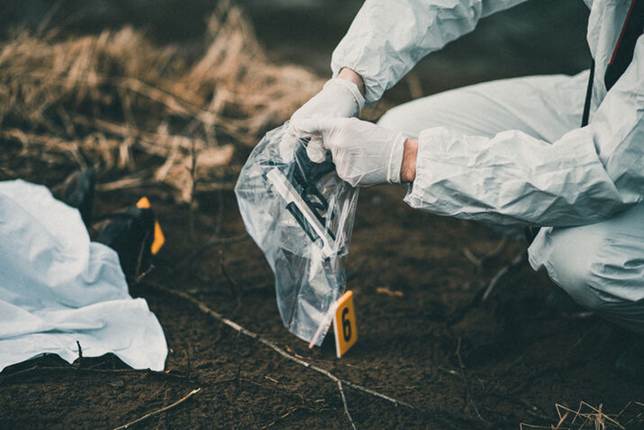
Right after a firearm accident, the scene starts to shift. First responders move objects, people clean up, and time erases details that once felt unforgettable. That’s why preserving the scene early is so important.
If you’re able, or if someone you trust can step in, start by noting where the gun was, who handled it, and how the accident unfolded. Take wide photos first, then get closer shots of anything relevant: shell casings, bullet holes, furniture, or gear. Even a single angle can make a difference.
When law enforcement arrives, make sure they document everything clearly. Ask for the incident or police report number before leaving. That report becomes a backbone for your future claim, and it helps align every detail—from the injury to the evidence—with an official record.
Physical Evidence That Tells the Story
Objects can’t lie, but they can disappear if you don’t act quickly. Preserving physical evidence helps show how and why the accident happened.
- The firearm itself – If possible, note its make, model, and condition. Officers may take it into custody, but your New York attorneys can later request access for inspection. Damage, rust, or mechanical flaws often reveal whether human error or a defect caused the discharge.
- Ammunition and casings – Collecting spent shells or unfired rounds gives investigators material to test for pressure, firing pin marks, or misfires. It connects the gun to the event with lab-level precision.
- Damaged objects – Walls, doors, or furniture marked by the shot show direction and distance. These help reconstruction experts recreate what happened.
- Clothing and gear – Don’t wash or repair anything worn during the accident. Tears, powder burns, and residue can confirm proximity and weapon type.
- Personal items – Glasses, watches, or phones that were hit by debris offer clues about angle and force. They also humanize the evidence, turning a data point into your story.
Each item paints part of the picture. Together, they build the timeline of how a moment of carelessness turned into a lasting injury.
The Power of Photos, Videos, and Texts
In today’s world, digital proof can do more for you than witness memories ever could. Cell phones capture the truth in real time and that truth becomes hard to deny later.
If there’s video from a range, hunting trip, or security camera, secure copies before they’re overwritten. Even a few seconds can clarify how the weapon was handled or who ignored safety rules.
Text messages or social media posts made before the accident can also matter. They might show that someone was drinking, bragging, or acting irresponsibly before the incident.
For photos, make sure they’re timestamped and stored safely. Keep backups—cloud storage or an external drive works best. Evidence doesn’t help if it gets deleted by accident or lost in a phone update.
Witnesses Who Keep the Record Straight
People who saw or heard what happened can fill in the gaps between photos and reports. Their words can either back up your story or show contradictions in someone else’s.
When possible, collect names, phone numbers, and quick summaries of what they observed. Ask them to jot down notes while their memory’s still fresh. Small details—like who handed the gun over, who shouted warnings, or where people were standing—can make all the difference.
Later, your New York attorneys will contact these witnesses formally to take statements. Their testimony helps validate your version of events and strengthens your credibility. The key is reaching them before time or outside pressure changes what they remember.
Expert Support That Turns Data Into Clarity
Sometimes the truth hides in technical details. That’s where experts come in. They break down complex mechanics into simple, understandable terms for juries and insurers.
- Ballistics experts – They analyze bullet paths, firearm angles, and discharge distances. Their visual reconstructions can make even skeptical listeners understand exactly what happened.
- Firearm engineers – When a gun malfunctions, engineers identify defects in design or manufacturing. Their findings often lead to claims against the maker or seller.
- Medical specialists – Surgeons and trauma doctors connect your injury directly to the accident. Their explanations about long-term effects help calculate fair compensation.
- Forensic toxicologists – In cases involving alcohol or drugs, these professionals determine whether impairment played a role. Their input can shift liability dramatically.
Experts translate. They turn dense data into stories jurors and insurers can follow, and that translation wins cases.
Keeping a Personal Record of Recovery
Your recovery is part of your evidence, too. Medical bills and reports show the financial cost, but journals and daily notes show the personal toll. Write about your pain levels, your mobility, your emotions. If you miss work, document how it affects your income and your routine.
Photos of healing progress also matter. Before-and-after images from surgery, therapy, or rehabilitation sessions visually prove your effort to recover. These details make your damages feel real, not theoretical.
Insurance companies look for ways to downplay pain. A record they can’t ignore forces them to see your experience as more than paperwork.
Rebuilding Trust in the Process
Gathering evidence after a firearm accident isn’t just about proving fault. It’s about rebuilding trust in what’s fair. You’ve already gone through something that shouldn’t have happened. Now it’s about making sure your story doesn’t get lost or rewritten by others.
Our firearm accident attorneys at Horn Wright, LLP, have guided clients across New York, New Jersey, New Hampshire, Vermont, and Maine through this process step by step. We move quickly to protect evidence, coordinate with investigators, and secure the proof your claim deserves.
You can’t undo what happened, but you can control what happens next. Get in touch with our team today to schedule your free consultation.

What Sets Us Apart From The Rest?
Horn Wright, LLP is here to help you get the results you need with a team you can trust.
-
Client-Focused ApproachWe’re a client-centered, results-oriented firm. When you work with us, you can have confidence we’ll put your best interests at the forefront of your case – it’s that simple.
-
Creative & Innovative Solutions
No two cases are the same, and neither are their solutions. Our attorneys provide creative points of view to yield exemplary results.
-
Experienced Attorneys
We have a team of trusted and respected attorneys to ensure your case is matched with the best attorney possible.
-
Driven By Justice
The core of our legal practice is our commitment to obtaining justice for those who have been wronged and need a powerful voice.