


Determining Liability in Firearm Accident Cases
Who’s Responsible and Why It Matters
After a firearm accident, you’re juggling pain, bills, and a lot of noise. The question that decides everything is simple: who’s responsible. That answer drives your claim, your compensation, and your next chapter. We help you pin it down with proof, not guesswork.
Our personal injury attorneys at Horn Wright, LLP, handle firearm cases across New York and in New Jersey, New Hampshire, Vermont, and Maine. Each state treats storage, hunting, and range duties a little differently, and those differences can shape strategy.
We bring that multi-state perspective home to New York standards so your case fits the facts and the law. You’ll feel steadier when the liability path is clear.
When Gun Owners Drop the Ball
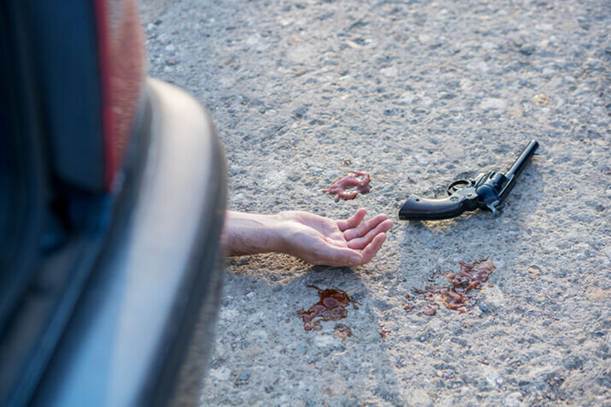
Gun ownership comes with duties you can’t ignore. Safe storage, safe handling, and sensible supervision aren’t optional. When an owner leaves a loaded weapon within reach, hands it to someone untrained, or skips basic safety, that’s a breach of duty. And when that breach hurts you, liability points back to the owner.
New York’s Penal Law Article 265 reinforces storage and access expectations, especially around minors and unauthorized users. We connect the unsafe choice to the harm using photos, witness accounts, and timelines. You’ll see how each detail supports the legal story. Small facts add up fast.
Defective Guns and Ammunition
Sometimes the fault starts before the gun ever reaches a shelf. Product defects create a different lane of liability aimed at companies, not just people.
- Design defects – A dangerous trigger geometry or weak safety feature can fail under normal use. Engineers test how the design behaves and map where it falls short. When the blueprint builds in risk, the manufacturer owns the result. Clear test data makes that risk obvious.
- Manufacturing defects – Good designs can still fail if the line cuts corners. Bad steel, out-of-spec parts, or sloppy assembly cause sudden malfunctions. We lock down serial numbers and batch info to trace the problem. Paper trails inside the plant often tell the real story.
- Ammunition failures – Overpressure loads, inconsistent powder, or brittle casings can turn a routine shot into shrapnel. Preserving unfired rounds from the same lot lets labs replicate the failure. When labs reproduce the event, liability stops being theoretical.
- Missing or weak warnings – Some products need clear, specific warnings about limits and proper use. If labels and manuals downplay risks, users can’t make safe choices. Juries notice when a company chose silence over clarity.
Property Owners Who Allow Unsafe Conditions
Accidents at ranges, clubs, or rental facilities often track back to the property itself. Poor supervision, broken barriers, or faulty rental firearms turn a controlled space into a hazard. In New York, owners and operators must keep premises reasonably safe. When they know, or should know, about risks and do nothing, that’s on them.
We review layout, maintenance logs, staffing levels, and safety policies. Video and sign-in sheets show what really happened between the rules on paper and the reality on the floor. You’ll see how those gaps translate into duty, breach, and, ultimately, liability.
How Shared Fault Works in New York
Liability can involve more than one person or entity. New York’s Civil Practice Law & Rules Section 1411 uses comparative negligence, which means a court can reduce your recovery by any percentage of fault assigned to you. It’s a math rule, not a moral judgment. And it makes strong evidence essential.
We push back on blame-shifting with tight timelines, consistent medical documentation, and expert support. When the record is clean, it’s harder for insurers to paint you as part of the problem. You’ll feel the difference when negotiations reflect the real balance of fault.
Proof That Moves the Needle
Great claims don’t rely on buzzwords. They rely on evidence that lands.
- Ballistics and reconstruction – Experts chart trajectories, angles, distances, and muzzle positions. They test the firearm in controlled settings to see how it behaves. Their models turn “maybe” into measurable facts. Jurors understand pictures and physics.
- Medical causation – Treating physicians and specialists connect wounds, procedures, and long-term limits to the event. Clear reports explain what happened inside your body and why future care is needed. That clarity anchors damages. Insurers struggle to argue with charts.
- Human factors and safety – Certified instructors explain what safe handling looks like and where things went off the rails. They translate rules into real-world steps and show the gap between training and conduct. That gap is negligence in plain language.
- Digital and documentary trails – Texts, range waivers, maintenance logs, and purchase records fill in intent and knowledge. Metadata timestamps help align moments across sources. Consistency across documents makes your timeline undeniable.
When Government Entities Are Involved
Some cases touch public ranges, municipal housing, or law-enforcement weapons. Claims against government entities add extra steps.
In many situations, you must serve a notice of claim within 90 days before filing suit. Miss it, and that path may be closed. We calendar those deadlines from day one and tailor discovery to public-records channels.
Policies, training materials, and inspection reports often reveal what was promised versus what was delivered. You’ll see the standards they set for themselves and where they fell short.
What Liability Means for Your Recovery
Liability isn’t about pointing fingers for sport. It’s about who pays for hospital bills, rehab, lost pay, and the life changes you didn’t ask for.
When the right party is held accountable, your path forward gets lighter and clearer. That’s the point. Our firearm accident attorneys build claims that fit New York law and your lived reality—step by step, document by document.
You’ll always know what comes next and why it matters. That steady process turns a chaotic event into a case that’s ready to be taken seriously.
Moving Forward with a Clearer Path
Figuring out liability is your way of making sure the right people take responsibility.
Once that’s clear, your medical bills, lost wages, and long-term needs have a chance of being covered instead of ignored. You deserve that kind of accountability, and you shouldn’t feel like you’re carrying the fight by yourself.
Our New York attorneys at Horn Wright, LLP, have also helped clients across New Jersey, New Hampshire, Vermont, and Maine tackle firearm accident cases with the focus they deserve.
We investigate quickly, preserve key evidence, and work with experts who bring clarity when everything feels cloudy. Contact our office today to request your free consultation and see why our work has been recognized nationally.

What Sets Us Apart From The Rest?
Horn Wright, LLP is here to help you get the results you need with a team you can trust.
-
Client-Focused ApproachWe’re a client-centered, results-oriented firm. When you work with us, you can have confidence we’ll put your best interests at the forefront of your case – it’s that simple.
-
Creative & Innovative Solutions
No two cases are the same, and neither are their solutions. Our attorneys provide creative points of view to yield exemplary results.
-
Experienced Attorneys
We have a team of trusted and respected attorneys to ensure your case is matched with the best attorney possible.
-
Driven By Justice
The core of our legal practice is our commitment to obtaining justice for those who have been wronged and need a powerful voice.