


What Happens Legally if a Teen Driver Crashes While Borrowing a Parent’s Car?
Your teenager borrows the family car and gets into an accident. Who’s legally responsible?
It’s a situation no parent ever wants to imagine. Your teen is finally old enough to drive, and you let them borrow the car for the night. Then comes the call: there’s been an accident. Your heart drops. Your first concern is their safety, of course. But after that, the questions come rushing in: Who’s going to be held responsible? Will insurance cover it? Are you on the hook legally or financially?
Teen driver accident liability is a serious issue that affects thousands of families across New York every year. And while it’s natural to feel overwhelmed, understanding how these situations work can make a stressful moment a little easier to handle.
At Horn Wright, LLP, we help New York families deal with the legal and insurance aftermath of teen driver accidents. Whether you're facing injuries, damage, or just don’t know where to start, our attorneys can walk you through what happens next.
Can Parents Be Held Liable for a Teen’s Car Accident?
In short, yes. Parents can absolutely be held liable if their teen driver causes a crash. That’s where the legal principle of vicarious liability comes into play. It means that if someone causes harm while acting on behalf of another person (or with their permission), that other person can be held responsible. In this case, that's usually the parent.
Parents typically become responsible when they allow their teen to use the vehicle, when the teen lives in their household and regularly drives the car, or when parents knowingly allow a teen with a record of unsafe driving to take the wheel. This includes situations where the teen has a suspended license, a reckless history, or past crashes. That falls under something called negligent entrustment, giving someone access to a vehicle when you should’ve known better.
How Insurance Coverage Works in Teen Driver Accidents
Most parents assume their auto insurance automatically covers their teen. And often, it does. But not always.
If your teenager is a listed driver on your policy, they’re usually covered while driving your car, even if you’re not with them. But problems arise when they’re not listed or have been excluded from the policy to cut costs.
Insurers typically distinguish between permissive use (when you allow someone to drive) and excluded drivers, who have no coverage. If your teen had your permission and isn’t excluded, your policy generally kicks in. But if they’re excluded or the insurer wasn’t notified of their regular use, coverage might be denied or reduced.
When the policy does apply, it can cover medical bills, damage to other vehicles or property, and legal defense if someone sues your teen or your family. That said, New York only requires minimum liability coverage, which may not be nearly enough if the accident is serious. In cases where damages exceed policy limits, the family may be on the hook for the remaining costs. Speaking with a car accident attorney is a surefire way to know what is covered and when.
Scenarios That Change Liability
Not every teen accident leads to the same legal or financial consequences. Some details shift who’s responsible and how much coverage applies.
Teen listed vs. not listed on policy
If your teen is listed, you’re in better shape. Most insurers will cover them without hassle. If they’re not listed, the insurer might treat them as an unauthorized user, especially if they drive often.
Teen borrowed the car without permission
This is a gray area. You might assume no permission means no liability, but in many cases, it’s hard to prove lack of consent, especially between parents and teens. Some insurers and courts may still hold you responsible, even if you believe the accident was someone else’s fault.
Teen was driving under the influence
This is serious. A DUI can trigger criminal charges and lawsuits. And if the teen had been drinking at home or at a supervised event, parents may also face liability for enabling the situation.
Teen loaned the car to a friend
If your teen hands the keys to someone else and that person crashes, insurance may still trace back to you as the car owner. It depends on the policy language and circumstances.
Here are a few quick case-style examples:
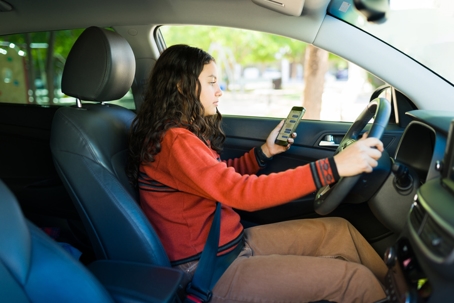
- A 17-year-old crashes while texting. She's listed on her dad’s policy, so insurance pays—but the premium increases by $2,000 a year.
- A teen sneaks out at night and crashes. Parents claim they didn’t give permission, but the insurer questions that and delays the claim.
- A teen drives drunk and hits a pedestrian. Criminal charges follow, and the family faces a civil lawsuit for damages.
What Parents Can Do After a Teen Accident
Once the shock fades, your next steps really matter.
First, check on your teen’s safety. Then call 911 and get emergency help. Make sure a police report is filed and that medical attention is given, even if injuries seem minor. At the scene, it’s important to document everything, like photos of the vehicles, injuries, traffic signs, road conditions, and witness contact info.
Next, notify your insurance company, ideally within 24 hours of the accident. Give them the facts, not guesses or assumptions. Delays or inaccuracies can work against you later.
If anyone’s hurt, things can get complicated fast. You might be looking at hospital bills, lost wages, and legal claims. A personal injury attorney can step in to protect your family’s financial well-being and help deal with both insurers and possible lawsuits.
Preventative Steps for Parents
While accidents can’t be totally prevented, there are smart moves every parent can make before handing over the keys.
Adding your teen to your insurance policy is one of the most important steps. It might bump up your premiums, but it gives you peace of mind. Leaving them off the policy or assuming they’re automatically covered can lead to big problems later.
Clear communication is just as important. Set firm ground rules about driving. Let them know the consequences of distracted driving, speeding, or using the car without asking. You might establish a no-driving-after-10 p.m. rule or limit passengers during the first year of driving. These small boundaries can save lives.
Also, be familiar with New York’s Graduated Driver Licensing laws:
- At 16, teens can get a learner's permit. They must drive with an adult.
- After holding the permit for six months, they can apply for a junior license. This comes with restrictions on night driving and passengers.
- A full license is available at 18, or at 17 with a certified driver education course.
And yes, questions come up all the time. Here are a few we hear often:
Can I be sued if my teen crashes while using my car?
Yes, especially if they live in your home and had permission to drive.
Will my insurance rates go up after a teen accident?
Almost always. Even minor fender-benders can lead to premium hikes.
What if my teen is driving someone else’s car?
Insurance usually follows the vehicle, not the driver. But if they weren’t allowed to drive that car, coverage may be denied.
If Your Teen Has Been in an Accident in New York, We’re Here to Help
Teen accidents are scary, no question. But you don’t have to handle the legal and insurance fallout alone. At Horn Wright, LLP, our attorneys understand how stressful these situations can be and how to untangle who’s liable, what insurance covers, and what your next move should be.
If your teen has been in an accident anywhere in New York, reach out to us for guidance tailored to your situation.