


What a Severance Agreement Really Means for Your Rights
You Just Lost Your Job and Now They Want Your Signature
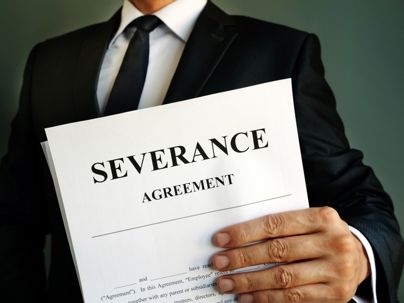
Losing your job hits hard. Whether you saw it coming or it came out of nowhere, it knocks the wind out of you. There’s confusion, worry, maybe even panic. And right in the middle of that chaos, someone hands you a stack of papers and says, “Just sign here for your severance.”
It’s the worst timing imaginable. You're still processing the news, and already they’re pushing for your signature. Most people assume these agreements just explain how much money they’re getting. But in reality, signing can permanently change your legal rights. Before you sign anything, it’s essential to understand what’s really at stake.
If you’re feeling overwhelmed, you’re not alone. At Horn Wright, LLP, our severance agreement lawyers have helped people in your exact position. Confused, stressed, and unsure what’s safe to sign. Our team reviews severance agreements daily, and we’re here to help protect your rights when it matters most.
The Fine Print That Causes the Most Damage
If you’re wondering what exactly in the fine print causes the most harm, that’s where we’re headed next.
In our follow-up article, “The Clauses in Severance Agreements That Cause Problems Later,” we’ll walk through the real landmines. Clauses like overly broad non-compete agreements, strict confidentiality requirements, and sweeping release language that can come back to bite you. We finish up with the all-important “Should You Have a Lawyer Review Your Severance Agreement?” so you know the exact answer to perhaps the most important question regarding a severance agreement.
Because understanding what to watch for is how you regain control.
A Severance Agreement Is a Legal Trade, Not a Kind Gesture
It’s easy to think of severance pay as a final thank you from the company. But in most cases, it’s not a gift. It’s a transaction.
When you sign that agreement, you’re not just collecting a check. You’re agreeing to give up certain rights. You’re giving the company protection. And legally, they often don’t owe you any severance at all unless there’s an employment contract saying otherwise.
That’s the kicker. Severance isn’t required by law in most situations. So why offer it? Because the company wants something in return: your silence, your agreement not to sue, or your waiver of legal claims.
And make no mistake, those agreements are written to protect the company first. Every word is crafted by attorneys who represent their interests, not yours.
What Rights Employees Often Give Up Without Realizing It
Here’s where things get risky. When you sign a severance agreement, you're often waiving rights you didn’t even know you had. This includes rights like:
- Suing for discrimination, harassment, or retaliation
- Pursuing unpaid wages, commissions, or bonuses
- Filing claims related to wrongful termination
- Bringing any future claims tied to your current job
Once you sign, those rights are usually gone forever.
Even if you learn later that you were underpaid, or that your firing was illegal, that agreement might stop you from ever holding the company accountable. That’s why signing without fully understanding the terms can be a major mistake, especially if emotions are running high.
Why “Standard Severance Agreement” Is a Misleading Phrase
HR may tell you, “This is just our standard agreement,” like that should put you at ease. But that phrase is misleading.
Sure, many companies use templates. But just because it’s a template doesn’t mean it’s harmless. Some agreements include tricky clauses buried deep in the legalese that could hurt you later.
And here’s the truth. Small changes in wording can create big legal differences. Something as subtle as how a release is phrased can mean the difference between keeping a right or giving it up. So when they say, “Everyone signs this,” what they really mean is, “We want you to sign it without reading too closely.”
The Illusion of Choice: Why Signing Feels Mandatory
Let’s be honest. When you’ve just been let go, you don’t feel like you have options.
There’s a power imbalance. You’re standing on shaky ground, trying to figure out what just happened. Meanwhile, they’re offering a payout with strings attached, and it feels like a now or never situation.
Employers know this. They use pressure tactics, whether it’s a deadline, a vague threat of losing the offer, or even guilt. You might hear things like, “This is just standard practice,” or “You don’t need a lawyer.”
But here’s the key. You usually do have time. In many cases, you get 21 days or more to decide. That’s not an accident. It’s a legal requirement for certain types of waivers. So take that time. Step back. Read every word. You don’t have to rush, even if it feels like you do.
Severance Pay Isn’t Always What It Seems
First off, there's a difference between gross pay and what you actually receive. Taxes, deductions, and other surprises can cut that number down fast. Then there’s the payment structure. Some companies offer severance in installments, not a lump sum. If that’s the case, certain conditions might stop the payments partway through.
And yes, companies can include clauses that allow them to withhold the rest of your severance if you say or do something they don’t like. Talking negatively about the company or applying for unemployment can be enough to trigger a stop.
What looked like a solid safety net can start to unravel fast.
What Happens After You Sign and Regret Sets In
You might not realize right away what you gave up. It might be months before you connect the dots. Maybe you find out you were owed a bonus, or that a coworker filed a discrimination claim for the same issue you experienced. But if you signed away your rights, there may be nothing you can do.
Courts usually enforce severance agreements, even if you didn’t fully understand them. They rarely accept “I didn’t know what that clause meant” as a reason to undo the agreement.
It’s a painful realization. Once that signature is on the page, the deal is locked in. That’s why taking time to understand it ahead of time is so important.
Who Faces Higher Risk From a Bad Severance Agreement
Not all employees are equally affected by a severance agreement. Some face a lot more risk, especially if there’s more at stake.
Here’s who should be especially cautious:
- Long-term employees with potential retirement benefits or accrued bonuses
- Older workers, particularly those in protected age brackets under federal or state laws
- Employees who previously reported harassment, retaliation, or unsafe practices
- Workers with commissions, stock options, or performance-based incentives
For these groups, signing away rights could mean giving up significant compensation or losing the chance to pursue a legal claim that might otherwise succeed.
Why This Article Only Covers the Surface
This might feel like a lot already, but here’s the truth. We’ve only scratched the surface.
Every severance agreement is different. And the details that matter most often hide in the fine print. One vague clause about release of claims or non-disparagement can carry huge weight later on. That’s why general advice has limits. It can’t replace clause-by-clause analysis tailored to your situation.
Our goal here isn’t to give you every answer. It’s to help you pause, question, and approach that paperwork with a sharper eye.
How Horn Wright, LLP Can Help You Make the Right Call
You don’t have to figure this out alone. At Horn Wright, LLP, we’ve reviewed countless severance agreements for employees across all industries. We help them understand what’s hidden between the lines before they sign. Our attorneys know how to spot the risks, explain your options in plain English, and protect your rights at every step. If you’re staring at a severance package and feeling unsure, we’re here to give you clarity so you can make the decision that’s right for you.