


Is New York a Stop and ID State?
Do You Have to Identify Yourself to Police in New York?
You’re walking through your neighborhood or riding the subway when a police officer stops you and starts asking questions. Your heart pounds. What are you required to say? Do you have to show ID? These moments are stressful, especially if you don’t know your rights. In New York, the law can seem confusing when it comes to what you must disclose during an encounter with law enforcement.
Knowing your rights ahead of time can take a huge amount of stress off your shoulders. At Horn Wright, LLP, our civil rights attorneys help people across New York understand where they stand when it comes to interactions with police. If you're ever unsure about what to say or do, our attorneys can help guide you, protect your rights, and advocate on your behalf if things escalate.
Does New York Have a Stop-and-Identify Law?
Unlike some states, New York doesn’t have a broad stop-and-identify law. That means you generally aren’t required to tell police your name just because they ask. However, that doesn’t mean officers can’t question you. If police have what’s called "reasonable suspicion" that you’ve been involved in a crime, they can stop and question you briefly.
Reasonable suspicion is a lower standard than probable cause. It simply means an officer has specific, articulable facts that suggest you might be involved in criminal activity. In New York, this is the basis for what's known as a Terry stop. But even during one of these stops, you typically aren’t legally obligated to identify yourself unless things escalate.
When Police Can Legally Demand Your Name and Address
There are only a few situations in New York where police can legally demand your name or address. One major scenario is when you are being issued a summons. If an officer decides to give you a ticket—say, for drinking alcohol in public or smoking in a park—you’re required to provide your name and address so they can issue it properly.
Another case is if you're being arrested. Once police decide there's probable cause to arrest you, they can demand your identity. In both of these situations, refusing to provide your name can lead to further legal trouble. For example:
- Refusing to ID yourself during a summons situation may lead to arrest.
- Giving a fake name during arrest is a crime in itself.
When You Do Not Have to Identify Yourself
If you’re not being detained or arrested, you don’t have to identify yourself. This applies to voluntary encounters, when a police officer walks up and starts a conversation, but hasn’t stopped or restrained you in any way. You’re free to ignore the officer or walk away.
Police often rely on people not knowing their rights during these informal chats. Unless an officer has legal grounds to stop you, you’re not obligated to speak or identify yourself. Just remember: stay calm, polite, and don’t lie.
What Happens If You Refuse to Identify Yourself
If you're legally required to identify yourself and you refuse, things can escalate. During a valid stop based on reasonable suspicion, refusing to speak might lead to extended detention while officers try to confirm your identity.
Lying to the police, especially about who you are, can lead to criminal charges. It’s far worse than staying silent. Giving a false name could be considered criminal impersonation. So even if you’re unsure about whether you need to respond, it’s safer to politely decline than to lie.
Are You Required to Carry Identification in New York?
New York law does not require adults to carry ID at all times. If you're walking through Central Park, shopping in Queens, or riding the L train in Brooklyn, you're not legally required to have identification on you. That said, there are some exceptions.
If you're driving a car, operating a motorcycle, or doing something that requires a permit or license, you must carry your ID. Not having it in those cases could result in a citation or arrest.
Misunderstandings happen when people assume they always have to carry ID. Here’s what to remember:
- You're not required to carry ID unless you're engaged in a regulated activity.
- Police may still question you, but you don’t have to show ID unless lawfully detained.
Situations Where Identification Is Required
There are some clear instances when you must identify yourself:
Traffic Stops
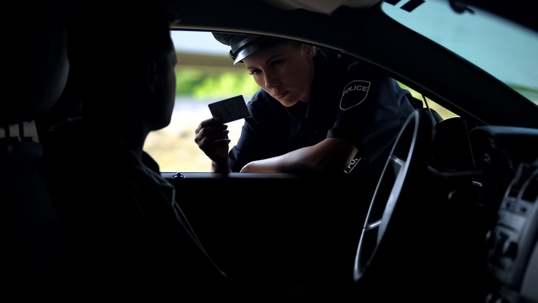
If you're pulled over while driving, you're legally required to show your driver’s license and vehicle registration. Failure to do so can lead to fines or arrest.
Airport Security
When flying out of LaGuardia or JFK, TSA will require valid ID to pass through security checkpoints.
Government Buildings or Secured Areas
Entering places like the Manhattan Criminal Courthouse or a federal office may require you to present ID.
These are the kinds of places where identification isn’t just a courtesy; it's a legal requirement.
Your Rights During a Police Stop
If you're stopped by police in New York, remember these key rights:
- You have the right to remain silent. You don’t have to answer questions beyond basic identifying information if it's legally required.
- You don’t have to consent to a search. If police ask to search your bag or pockets, you can say no. If they have probable cause, they'll search anyway.
- You can ask, "Am I free to leave?" If the answer is yes, calmly walk away.
These simple phrases can protect you and de-escalate the situation.
What to Say and What Not to Say to Police
Many people think they can talk their way out of trouble. But during a police interaction, your words can be used against you later. You might say something you think is harmless, but it could be misinterpreted.
Don’t try to explain, justify, or argue. Instead:
- Stay polite and calm.
- Ask if you're being detained.
- Decline to answer without a lawyer present.
Avoiding unnecessary chatter is one of the best ways to protect yourself.
Identification Requirements for New York City Police Officers
New York City police officers must follow their own identification rules. If an officer stops you, they are required to identify themselves upon request.
This means:
- They must give you their name, rank, and command.
- In most situations, they must provide a business card.
These rules help keep encounters more transparent. If an officer refuses to identify themselves, that can be a red flag. You have a right to know who you're dealing with.
If You Are Arrested or Taken to a Police Station
If you're arrested, don’t panic, but don’t talk either. Once you’re at the station, you have the right to speak with a lawyer. Use it.
Tell officers clearly: "I want a lawyer and I will not answer questions."
From that point on, stay quiet. Anything you say can and will be used against you. Officers may try to chat or be friendly. It doesn’t matter. Politely hold your ground and wait for legal help.
Horn Wright, LLP: Know Your Rights Before an Encounter Happens
Understanding when you have to identify yourself, and when you don’t, can make a huge difference in how a police stop plays out. New York doesn’t require ID in most situations, but there are exceptions. Staying informed gives you the power to handle these encounters confidently and safely.
At Horn Wright, LLP, we believe knowledge is protection. If you're facing legal trouble after a police stop or just want help understanding your rights, our attorneys are here to support you every step of the way.