


Here’s How to File a Complaint with the New York Department of Labor
Think Your Employer Broke the Law? You Don’t Have to Stay Silent
It often starts with a paycheck that looks lighter than it should. Overtime hours disappear. Tips don’t add up. Maybe your boss brushes it off. Maybe they tell you that’s just how things are. Over time, that uneasy feeling grows. You dread checking your pay. You feel extremely stressed out. You wonder if speaking up will cost you your job.
If you’re dealing with unpaid wages, missing overtime, unsafe conditions, or retaliation, you’re not overreacting. New York workers have strong protections under state and federal law. You have the right to be paid fully and on time. You have the right to question your pay without being punished for it.
At Horn Wright, LLP, our labor lawyers have represented employees across New York who felt powerless against their employers. The New York State Department of Labor enforces wage and hour laws across the state. It investigates complaints, audits employers, and can recover unpaid wages and damages for workers. Whether you’re working in Manhattan, on Long Island, or upstate near Albany, those protections follow you.
What the New York Department of Labor Actually Does (And Doesn’t Do)
The NYSDOL’s Wage and Hour Division enforces New York Labor Law. Its mission is simple: make sure workers receive the wages they earned and that employers follow state pay rules.
The agency investigates violations involving minimum wage and overtime, spread of hours pay, unlawful paycheck deductions, tip misappropriation, and wage notice or wage statement violations. If your employer failed to pay time-and-a-half for hours over 40 in a week, that falls under its authority. If money was taken from your check without a lawful reason, that may also qualify.
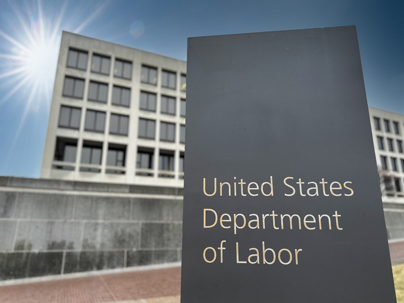
It’s important to distinguish the state agency from the United States Department of Labor. The federal agency enforces national wage laws. In many cases, New York law provides stronger worker protections and a longer time limit to recover unpaid wages.
The NYSDOL does not handle discrimination claims based on race, gender, religion, disability, or similar protected traits. Those cases typically go through the New York State Division of Human Rights or the Equal Employment Opportunity Commission. Filing with the correct agency prevents unnecessary delays.
The Most Common Reasons Workers File Complaints in New York
Wage violations take many forms. Some are obvious. Others are hidden in confusing payroll practices.
Unpaid overtime is a leading issue. Employers sometimes label workers “salaried” to avoid overtime obligations, even when the job duties do not meet exemption standards. That label alone does not decide your rights.
Misclassification is another serious problem. A company may call you an independent contractor while treating you like an employee. That shift can strip away overtime rights and other protections. Being paid “off the books” also creates risk. It may seem convenient at first, but it can harm your tax record and limit access to benefits.
Illegal deductions and missing final paychecks are also frequent sources of complaints. Some employers deduct money for uniforms or equipment in ways that violate state law. Others fail to include all earned wages after termination.
Retaliation remains a major concern. Workers sometimes see reduced hours or face threats after raising pay concerns. Certain industries see higher violation rates, including restaurants in New York City, construction sites on Long Island, and agricultural operations upstate. Fast-paced environments can lead to shortcuts that cost workers money.
Before You File: Take These Smart First Steps
Before filing a complaint, slow down and gather evidence. Strong documentation can shape the outcome of your claim.
Start by collecting:
- Pay stubs and direct deposit records
- Written agreements or offer letters
- Timecards or personal hour logs
- Text messages or emails about schedules
Write down the hours you worked each day, including start and end times. Record dates of conversations about pay and who was present. Details matter.
In some cases, it makes sense to speak with your employer if the issue appears to be a payroll mistake. A direct conversation can sometimes resolve an error quickly. But if you believe the underpayment was intentional or you fear retaliation, you may decide to file without warning.
New York Labor Law protects workers from retaliation. You do not have to quit your job to file a complaint. You can remain employed while your claim moves forward.
What You’ll Need to File a Complaint in New York
Preparation prevents delays. Incomplete information can slow an investigation.
When filing, you’ll need three main categories of information:
Personal information
- Your full name
- Address
- Phone number
Employer information
- Business name and any DBA
- Work location
- Company phone number
- Owner or manager’s name
Employment details
- Job title
- Dates worked
- Rate of pay
- How and when you were paid
Supporting documents such as pay stubs, bank records, and coworker contact information can strengthen your claim. The more specific your submission, the easier it is for investigators to assess what happened.
Step-by-Step: How to File a Complaint With the NYSDOL
Filing a complaint follows a clear sequence. Breaking it down can make it feel less overwhelming.
- Confirm that your issue falls under New York Labor Law.
- Complete the appropriate form, such as Form LS 223 for unpaid wages.
- Submit the form online or mail it to the appropriate NYSDOL office.
- Keep copies of everything you send.
- Respond promptly if the agency contacts you for additional information.
The statute of limitations for wage claims under New York Labor Law is generally six years. While that is a generous window, waiting can make evidence harder to gather. Complaints remain confidential to the extent permitted by law, though investigations may require employer contact.
What Happens After You File?
After submission, the NYSDOL reviews your complaint to determine whether it will open an investigation. If accepted, investigators may audit the employer, review payroll records, and interview workers.
Investigations can take months depending on complexity and employer cooperation. If violations are found, the agency may order payment of unpaid wages along with liquidated damages equal to up to 100% of those wages. Civil penalties can also be imposed on the employer.
Importantly, the NYSDOL does not charge workers a fee to file or pursue a wage claim.
Can Your Employer Fire You for Filing a Complaint?
New York Labor Law §215 provides strong anti-retaliation protection. Employers cannot legally punish you for asserting wage rights.
Retaliation can include:
- Termination
- Reduced hours
- Threats or harassment
- Immigration-related intimidation
Even subtle schedule changes may raise concerns if they occur after you file a complaint. Workers who experience retaliation may recover additional damages beyond unpaid wages. If retaliation occurs, document everything immediately and seek guidance quickly.
Should You File With the State, Go to Court, or Both?
Filing with the NYSDOL is free and places the investigation in the agency’s hands. A private lawsuit in state court offers more control and may allow broader recovery, including attorney’s fees if you prevail.
Each option carries trade-offs involving cost, timing, and potential compensation. Some workers recover more through litigation, especially in large overtime or misclassification cases. Strategic decisions depend on your facts, your evidence, and your goals.
Don’t Let Unpaid Wages Steal Your Peace of Mind
Unpaid wages can shake your sense of stability. They affect your rent, your groceries, and your peace of mind. Filing a complaint with the New York State Department of Labor is free and protected by law, and it can lead to real recovery.
At Horn Wright, LLP, our New York employment attorneys help workers assess every available option. We review pay records, identify violations, and determine whether filing with the state is enough or whether stronger legal action could recover more.
When agencies fall short, we’re prepared to pursue full compensation through the courts. You deserve to be paid for every hour you worked, and we’re here to help you fight for it.