


“Plain View” Seizures in the Bronx: Limits and Exceptions
When Police Take Something Without Ever Asking
Many people assume police need permission or a warrant before they can take personal property. Then a stop happens in the Bronx, an officer notices something, and suddenly an item is seized without any request or discussion. You may have already refused a search, yet the officer still takes what they see. That moment often leaves people stunned and confused about whether refusal even mattered.
At Horn Wright, LLP, our Bronx civil rights attorneys regularly speak with people who were told an item was seized under the “plain view” rule. Plain view seizures are legal only under narrow circumstances, but they are frequently misunderstood and misapplied. Knowing how plain view works, and how it connects to refusal, frisks, and pocket searches, helps clarify when police actions stay lawful and when they cross into violations that may support civil litigation.
What “Plain View” Really Means Under the Law
Plain view does not mean police can take anything they notice. For a seizure to be justified under plain view, several conditions must be met at the same time. Officers must be lawfully present in the location where they are standing. The item must be immediately visible without moving or manipulating anything. Its connection to criminal activity must also be obvious, not speculative.
This matters because plain view is about observation, not searching. The doctrine does not give police permission to create a view by opening containers, moving clothing, or reaching into pockets. When officers take steps to expose an item, the plain view justification often falls apart.
Why Refusal to Police Search Still Matters
Refusing consent to a search does not prevent officers from seeing what is already visible, but it does limit what they are allowed to do next. When you refuse, police cannot rely on your permission to justify opening bags, searching pockets, or expanding a stop into a deeper investigation.
Refusal often becomes important when officers later claim plain view. If an item was only visible after police moved something, reached into clothing, or continued searching despite refusal, the seizure may no longer qualify as plain view. Refusal helps draw a clear line between observation and unlawful searching.
How Frisks and Plain View Interact
Frisks are meant to be limited pat-downs of outer clothing for weapons. They are not searches for evidence. During a lawful frisk, an officer may feel an object but should not manipulate it unless it reasonably feels like a weapon.
Problems arise when officers use a frisk as a gateway to seize items under plain view. Feeling an object through clothing does not automatically make it visible. Reaching into pockets after a frisk often turns a safety check into a search, which requires stronger legal justification than plain view alone.
Pocket Searches Disguised as Plain View Seizures
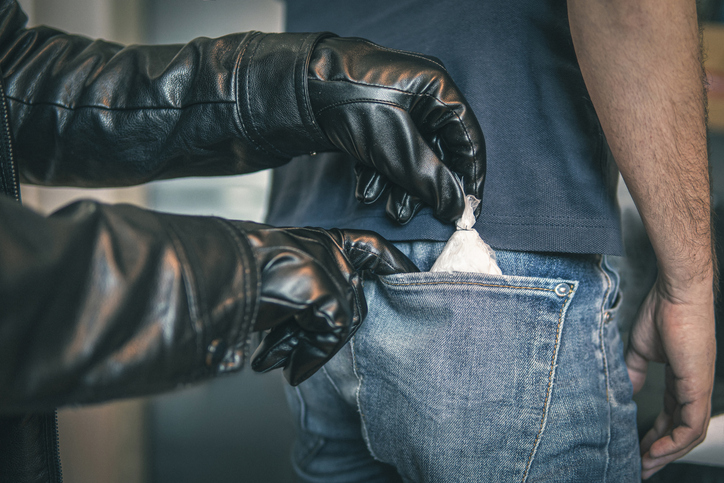
Pocket searches are among the most common situations where plain view is misused. Officers may claim an item was visible once clothing shifted or once they touched it during a frisk. Courts scrutinize these situations closely.
Plain view does not apply when officers:
- Reach into pockets to expose an item
- Pull clothing aside to reveal contents
- Manipulate objects to identify them
- Continue searching after a refusal to consent
When pocket searches occur without valid consent, probable cause, or arrest, the seizure may be unlawful even if officers later label it plain view.
Why Plain View Feels Like a Workaround
From the outside, plain view seizures often feel like a workaround to refusal. You say no to a search, yet property is still taken. That experience can feel like your refusal had no meaning at all.
Legally, refusal still matters. It forces officers to justify their actions under stricter standards. When plain view is claimed improperly, that justification can be challenged, especially when the item would not have been visible without police interference.
When Plain View Seizures Are More Likely to Hold Up
Plain view seizures are more likely to be lawful when officers truly did nothing to expose the item. Examples include contraband sitting openly on a car seat or an object clearly visible on a table during a lawful entry.
Even then, the incriminating nature of the item must be immediately apparent. Officers cannot seize items based on curiosity or suspicion alone. That limitation is central to preventing abuse of the doctrine.
How Courts Evaluate Plain View Disputes
Courts carefully examine whether officers were legally allowed to be where they were and whether the item was truly visible without intrusion. Appellate guidance from the United States Court of Appeals for the Second Circuit has repeatedly emphasized that plain view cannot be used to justify exploratory searches.
These rulings focus on actions, not labels. What matters is what officers actually did, not how they described it afterward.
Why Civil Litigation Often Follows Improper Seizures
When plain view is misapplied, the consequences extend beyond the seizure itself. Unlawful seizures can lead to suppressed evidence, dismissed charges, or civil litigation seeking accountability for constitutional violations.
Civil cases focus on whether officers exceeded lawful authority and whether those actions caused harm. Improper plain view seizures often become key facts in claims involving unlawful searches, false arrest, or abuse of power.
Oversight Beyond the Criminal Case
Improper seizures are not evaluated only in criminal court. Broader accountability can involve civil rights enforcement and policy review. The New York State Division of Human Rights plays a role in addressing discriminatory or unconstitutional practices that may emerge from repeated misuse of search doctrines.
Understanding that civil rights oversight exists helps explain why individual encounters can have broader significance.
What to Do After a Plain View Seizure That Felt Wrong
If property was seized under plain view and it didn’t feel justified, write down what happened as soon as possible. Focus on where officers were standing, what they touched, and whether anything was moved or opened before the item was taken.
These details help clarify whether the seizure truly met plain view requirements or whether it relied on an unlawful search disguised as observation.
Why Many Improper Seizures Go Unchallenged
Many people assume that once an item is taken, the issue is settled. Others fear that questioning police conduct will only make things worse.
That hesitation is understandable. Still, knowing the limits of plain view helps people recognize when their rights may have been violated, even if the seizure happened quickly.
Moving Forward After a Plain View Seizure in the Bronx
Plain view seizures are lawful only when strict conditions are met. When refusal, frisks, or pocket searches are used to justify taking property, the line between observation and unlawful search can blur. At Horn Wright, LLP, our Bronx civil rights lawyers help people evaluate whether plain view seizures were applied correctly and whether civil litigation may be appropriate. If police seized property during a Bronx stop and claimed it was in plain view, call 855-465-4622 to speak with Bronx civil rights attorneys who will listen carefully and help you understand your options.

What Sets Us Apart From The Rest?
Horn Wright, LLP is here to help you get the results you need with a team you can trust.
-
Client-Focused ApproachWe’re a client-centered, results-oriented firm. When you work with us, you can have confidence we’ll put your best interests at the forefront of your case – it’s that simple.
-
Creative & Innovative Solutions
No two cases are the same, and neither are their solutions. Our attorneys provide creative points of view to yield exemplary results.
-
Experienced Attorneys
We have a team of trusted and respected attorneys to ensure your case is matched with the best attorney possible.
-
Driven By Justice
The core of our legal practice is our commitment to obtaining justice for those who have been wronged and need a powerful voice.