


How to Identify Officers and Find Witnesses After Excessive Force
Start Gathering Details Right Away
If you've just experienced excessive force, you're probably feeling shaken and overwhelmed. But while the details are still fresh, your memory becomes one of the most important tools you have. Even the smallest details, like the color of a patch or a single word someone said, can help later.
Before you lose the clarity of the moment, sit down somewhere safe and start writing. Use your phone’s notes app, a piece of paper, or record a voice memo. Try to walk yourself through what happened. Include the time of day, the exact location, the number of officers involved, and what you saw them doing.
If you can remember badge numbers, patrol car numbers, or any names that were said aloud, write them down. Those little details make it easier to identify the right officers later. If you’re unsure what comes next, a Bronx civil rights attorney at Horn Wright, LLP, can help you sort through everything.
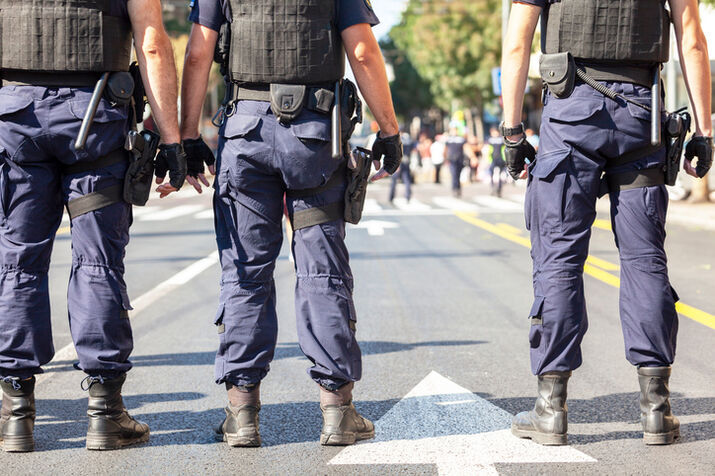
Recognize Officers by Uniform and Markings
Not all law enforcement in New York State wears the same uniform. Depending on where the incident happened, you might have been approached by NYPD officers, MTA Police, Port Authority Police, or even federal agents. If you didn’t get a name, focus on the visual details.
Try to remember these:
- Color and style of the uniform (e.g., navy blue, light blue, black)
- Shoulder patches or emblems, such as “NYPD” or “MTA Police”
- Any words printed on the back of a vest or jacket
- Badge numbers, usually worn on the chest
- Helmet numbers, if officers were in riot or crowd-control gear
- Vehicle markings, such as “NYPD Highway Patrol” or “Transit Bureau”
If the officer was wearing a body-worn camera, note where it was placed—on the chest, glasses, or collar. That may help confirm they were required to record the incident.
In some cases, officers don’t identify themselves. If that happens, pay close attention to marked cars, radio calls, or any interactions nearby that may link the officer to a precinct or agency.
Use FOIL Requests to Confirm Officer Identities
New York’s Freedom of Information Law (FOIL) gives you the right to request public records. That includes information about which officers were involved in an incident, body camera footage, and incident reports. Filing a FOIL request can help confirm the identities of the officers you saw or those involved behind the scenes.
To make a strong FOIL request, include:
- The exact date and time of the incident
- The address or intersection where it happened
- A brief summary of the encounter
- Any known badge numbers, officer names, or vehicle markings
You can submit a FOIL request to the NYPD using the NYC OpenRecords Portal. Other agencies, like the MTA or Port Authority, have their own FOIL processes. If you’re not sure who to send the request to, a civil rights attorney can guide you.
It may take several weeks to get a response. Be patient and persistent. Keep a copy of your request and any response you receive.
Return to the Area to Find Witnesses
People move quickly in New York, but witnesses may still be nearby, especially if you return within a day or two. Visit the location during the same time of day the incident happened. Look for local businesses, food carts, apartment buildings, or transit stops nearby. These are common places where people pause and might have seen something.
You don’t have to start with a big ask. Begin by saying something like, “Were you here on Tuesday afternoon when the police were on this block?” Some may be willing to talk. Others may just nod or point you in another direction.
If you’re in a retail area, ask managers or employees whether they or their security cameras caught anything. Keep it brief and respectful. Many people are willing to help if they understand someone was hurt.
- Walk the block to retrace the scene
- Ask politely, without pressure
- Note the businesses closest to the incident
- Look for camera signs or intercom systems
The sooner you revisit the scene, the more likely you are to find someone who remembers.
Ask Witnesses for a Statement or Footage
If someone says they saw what happened, thank them and explain why their account matters. Ask them if they’d be willing to provide a short written or voice-recorded statement. It doesn’t have to be formal. Just something simple that includes:
- Their name and contact information
- A quick summary of what they saw
- The time and place of the event
Even a few sentences can go a long way in supporting your version of events. If the witness took video or photos, ask if they’re comfortable sharing the files with you. Let them know you won’t post anything online without permission.
If someone is hesitant, offer to let them speak with your attorney instead. This can give them more confidence that their words will be used the right way. Witnesses don’t have to be perfect or remember every detail. Every piece of information helps.
Check for Public or Private Camera Footage
In many areas of New York, cameras are everywhere. Subway platforms, intersections, parks, and even light poles may have active surveillance. Knowing where to look can help you find a recording of what happened or at least show what the environment looked like.
If you were in a subway or MTA-operated facility, request footage through the MTA directly. For NYPD or city-owned footage, use the FOIL process described earlier. If you think a private camera may have caught the event, such as outside a deli or apartment building, go back and ask the property manager to save the footage.
Helpful steps:
- Photograph any visible cameras near the scene
- Record addresses or store names where cameras are mounted
- Ask staff if footage is saved automatically or must be requested
- Visit within 3 to 5 days, before footage may be deleted
Post Carefully in Local Online Groups
Sometimes the people who witnessed your incident are online. Neighborhood Facebook groups, Reddit threads, or apps like Nextdoor may include locals who were nearby. Posting discreetly can help you reach them.
Be cautious with your language. Don’t include graphic photos, personal health details, or anything that identifies you too directly. Instead, use a short, respectful message:
“Hi, I’m looking for anyone who may have been near [Street/Intersection] on [Date] around [Time] and saw a police interaction. Please DM if you have info.”
Some platforms also allow anonymous posts or message-only replies. Be careful not to argue or engage with negative comments. Your goal is to find witnesses, not to relive the trauma publicly.
You can also ask someone else to post on your behalf if that feels safer.
Organize Everything in One Place
Once you start collecting names, notes, and videos, things can get overwhelming fast. Keep all your witness and officer information organized. You’ll thank yourself later, and your lawyer will, too.
Use a secure folder on your phone or computer. Include subfolders or labels like:
- Officer info
- Witness contacts
- Photos and videos
- FOIL documents and responses
If you’re using paper, keep a notebook or file folder and make copies. Write dates on everything. Track who gave you what and when. Keep backup copies in the cloud if possible. If you lose your phone or computer, you don’t want to lose everything with it.
Backing up this information shows that you took your case seriously and helps avoid confusion or duplicate requests.
You Deserve Answers and Accountability
Identifying the right officers and finding witnesses takes effort, but you don’t have to figure it out alone. Every name, badge number, or photo you gather helps you take back some control. These details matter. They’re how you start to build accountability.
The Bronx civil rights attorneys at Horn Wright, LLP, help New Yorkers who’ve been harmed by excessive force. If you’re collecting evidence or struggling to get answers, our team can step in and handle the pressure. We’ll work to find the truth, hold the right people accountable, and make sure your voice is heard.

What Sets Us Apart From The Rest?
Horn Wright, LLP is here to help you get the results you need with a team you can trust.
-
Client-Focused ApproachWe’re a client-centered, results-oriented firm. When you work with us, you can have confidence we’ll put your best interests at the forefront of your case – it’s that simple.
-
Creative & Innovative Solutions
No two cases are the same, and neither are their solutions. Our attorneys provide creative points of view to yield exemplary results.
-
Experienced Attorneys
We have a team of trusted and respected attorneys to ensure your case is matched with the best attorney possible.
-
Driven By Justice
The core of our legal practice is our commitment to obtaining justice for those who have been wronged and need a powerful voice.