


How to Preserve Body Cam, Dash Cam, and Store Surveillance Video in Bronx Cases
Why Video Evidence Can Disappear Faster Than You Think
After an encounter with law enforcement or a serious incident in the Bronx, people often assume that video evidence will simply be there when they need it. Body cameras, dash cams, and store surveillance systems feel permanent, almost automatic. In reality, video footage is fragile. It gets overwritten, deleted, or lost far more often than people realize, sometimes within days or even hours.
At Horn Wright, LLP, our Bronx civil rights attorneys regularly speak with people who didn’t learn about video retention limits until it was too late. By the time they asked for footage, it was gone. Preserving video evidence isn’t about being aggressive or suspicious. It’s about understanding that systems are designed to recycle data unless someone takes action to stop that process.
Understanding Why Preservation Is Your Responsibility
One of the biggest misconceptions is believing that authorities or businesses will preserve footage simply because an incident occurred. That’s rarely the case. Most systems automatically record over old footage to save storage space. Unless someone formally requests preservation, the system keeps moving forward.
This puts the burden on individuals to act quickly. Preserving video isn’t an accusation. It’s a protective step, similar to taking photos or writing down details. Waiting for clarity or certainty often means waiting too long.
Body Camera Footage Has Strict Retention Rules
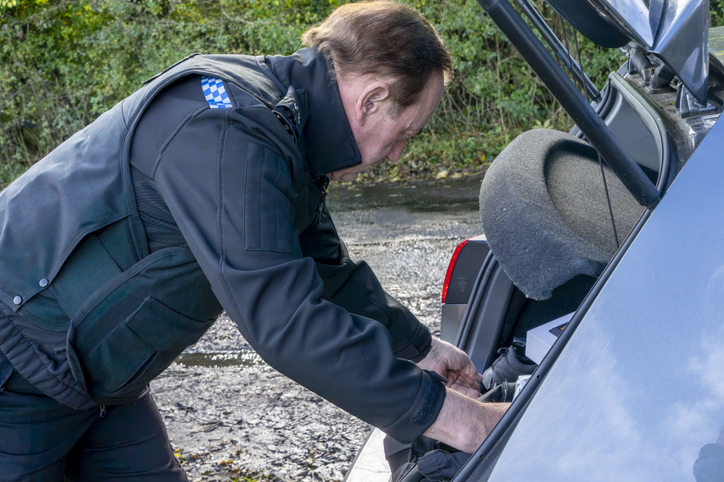
Police body camera footage is not stored indefinitely. Departments follow internal retention schedules that depend on the type of incident and whether a complaint or investigation is pending.
In New York City, the New York City Police Department controls body-worn camera policies, including how long footage is kept and under what conditions it is preserved. If no request or complaint is made, footage may be automatically deleted after a set period. Acting early helps ensure the footage is flagged before it disappears.
Dash Cam Footage Can Be Even More Limited
Dash cam footage, whether from police vehicles or private cars, often has shorter retention periods than body camera video. Many systems overwrite footage within days unless an event is manually saved.
Private drivers may not even realize their dash cam recorded anything unless asked directly. If you believe a dash cam captured an incident, identifying the vehicle and requesting preservation quickly is critical.
Store and Building Surveillance Is Not Guaranteed
Surveillance cameras outside bodegas, apartment buildings, and businesses are everywhere in the Bronx. People often assume those cameras keep footage for months. In reality, many systems overwrite video within 24 to 72 hours.
Store owners are not required to preserve footage unless asked. Some are cooperative. Others hesitate due to privacy concerns or storage limitations. Time is the biggest factor here. Waiting even a few days can make footage unrecoverable.
How to Make a Preservation Request
Preserving video usually starts with a written request, sometimes called a preservation letter. This request asks the party controlling the footage to retain it and not overwrite or delete it.
The request should be specific. Include the date, time, location, and nature of the incident. Broad or vague requests are easier to ignore or misunderstand. Precision helps the right footage get flagged.
Why Verbal Requests Are Not Enough
Asking verbally for footage is rarely sufficient. Conversations get forgotten. Employees change shifts. Management may never hear about your request.
Written requests create a record. They show when you acted and what you asked for. Even if the footage is later unavailable, having proof that you requested preservation can matter.
Don’t Wait Until You Decide What You’re Doing
Many people delay preservation because they’re unsure whether they’ll file a complaint or take legal action. That hesitation often costs them the evidence they needed to make that decision.
Preserving footage doesn’t lock you into a path. It keeps options open. You can always decide later how or whether to use the video.
When Oversight Bodies May Be Involved
If the incident involved police conduct, preservation can become important for oversight review. Complaints involving body camera footage may be examined by the New York City Civilian Complaint Review Board, which relies heavily on video when evaluating allegations.
Without preserved footage, reviews often come down to conflicting accounts. Video can provide clarity where memories differ.
What to Do If You’re Told Footage Is Gone
Being told that footage no longer exists can feel defeating. It doesn’t always mean you waited too long, but it does limit what can be reviewed visually.
If this happens, document when you asked for the footage and who you spoke with. Even absent video, timelines, witness statements, and written records still matter. Missing footage doesn’t erase what happened.
Preserve Your Own Digital Evidence Too
People often focus on official cameras and forget their own devices. Save photos, videos, text messages, call logs, and location data from your phone. Back them up somewhere secure.
Small digital details often help reconstruct timelines, even when surveillance footage is unavailable.
Why Acting Quickly Feels Uncomfortable but Necessary
There’s an emotional barrier to acting fast after an upsetting incident. Many people want distance, not paperwork. That reaction is human.
Still, preservation is time-sensitive. Acting early protects you later, even if you don’t feel ready to think about next steps yet.
You Don’t Have to Do This Perfectly
People worry about getting the wording wrong or missing something. That fear can lead to inaction.
Perfection isn’t required. Effort matters. A timely, good-faith request is far better than silence. Preserving footage isn’t about proving someone wrong. It’s about capturing what actually happened before technology erases it. Clarity helps everyone involved, even when stories differ.
Moving Forward With Confidence About Video Preservation
Body cam, dash cam, and surveillance footage can play a powerful role in Bronx civil rights cases, but only if it’s preserved in time. Understanding how quickly video disappears helps you act before that window closes.
At Horn Wright, LLP, our Bronx civil rights lawyers help people take the right steps to preserve critical evidence and protect their options. If you’re concerned about losing video footage after an incident in the Bronx, call 855-465-4622 to speak with Bronx civil rights attorneys who can help you think through next steps calmly and clearly.

What Sets Us Apart From The Rest?
Horn Wright, LLP is here to help you get the results you need with a team you can trust.
-
Client-Focused ApproachWe’re a client-centered, results-oriented firm. When you work with us, you can have confidence we’ll put your best interests at the forefront of your case – it’s that simple.
-
Creative & Innovative Solutions
No two cases are the same, and neither are their solutions. Our attorneys provide creative points of view to yield exemplary results.
-
Experienced Attorneys
We have a team of trusted and respected attorneys to ensure your case is matched with the best attorney possible.
-
Driven By Justice
The core of our legal practice is our commitment to obtaining justice for those who have been wronged and need a powerful voice.