


Illegal Search and Seizure Basics: Fourth Amendment Rights in the Bronx
When an Encounter Leaves You Questioning Whether Your Rights Were Crossed
Many people in the Bronx have had an interaction with law enforcement that didn’t sit right afterward. Maybe an officer searched your pockets, your car, or your home without clearly explaining why. Maybe property was taken, or your phone was looked through, and you were left feeling exposed and confused. In those moments, it’s hard to know whether what happened was lawful or whether your constitutional rights were violated.
At Horn Wright, LLP, our Bronx civil rights attorneys regularly hear from people who sensed something was wrong but weren’t sure how the law actually works. The Fourth Amendment exists to protect everyday people from unreasonable searches and seizures, but those protections aren’t always explained during real-world encounters. Understanding the basics of illegal search and seizure law helps you recognize when boundaries may have been crossed and what that means for you moving forward.
What the Fourth Amendment Is Meant to Protect
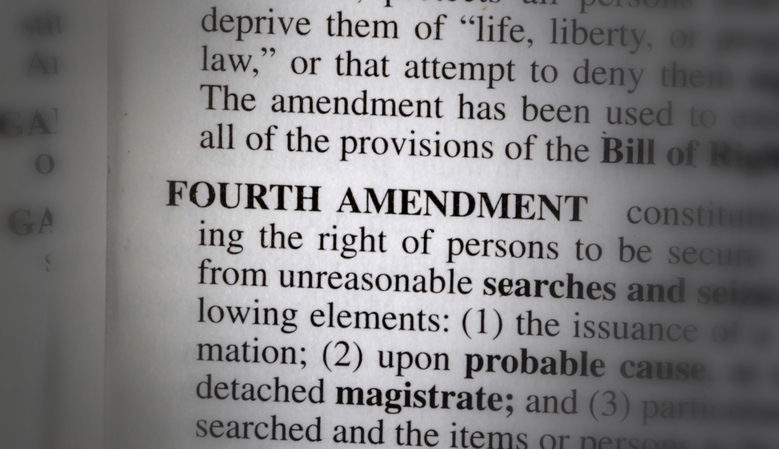
The Fourth Amendment is about privacy and personal security. It limits when and how the government can intrude into your body, your belongings, your home, and your private spaces. At its core, it’s meant to prevent fishing expeditions and unchecked power.
This protection applies whether you’re walking down a Bronx street, sitting in your car, or inside your apartment. It doesn’t mean police can never search. It means there must be a legally valid reason, and that reason matters. Without it, a search may be unconstitutional.
Why “Unreasonable” Is the Key Word
Not every search is illegal. The law focuses on whether a search is reasonable under the circumstances. That word carries a lot of weight and is often where disputes arise.
Reasonableness depends on specific facts, not assumptions. What officers believed, what they observed, and how they acted all matter. A search that seems routine to an officer may still be unreasonable under the law. Understanding that distinction helps explain why two similar encounters can have very different legal outcomes.
Warrants and Why They Matter So Much
A warrant is a court-issued document that authorizes a search or seizure. It’s meant to act as a check on police power by requiring approval from a neutral judge before a search happens.
When officers search without a warrant, they must rely on an exception to justify their actions. Warrants matter because they create accountability. Without one, the burden shifts to explaining why a search was necessary without prior approval.
Common Exceptions That Are Often Misunderstood
Police may search without a warrant in limited situations, such as when they claim consent was given, when evidence is at risk of being destroyed, or when safety is at issue. These exceptions are narrow, even though they’re often presented as broad authority.
Consent is one of the most misunderstood exceptions. Agreeing under pressure, confusion, or fear is not the same as freely giving permission. Many people don’t realize they can say no or that silence does not automatically equal consent.
Searches During Stops and Detentions
Stops in public places often lead to searches that feel automatic. An officer may pat you down or search nearby belongings, claiming safety concerns. These searches are supposed to be limited in scope.
A pat-down for weapons is not the same as a full search. When officers go beyond what’s necessary for safety, the search may cross constitutional boundaries. Knowing that distinction helps people understand when a stop turns into something more serious.
Vehicle Searches and Why They Feel Especially Invasive
Car searches are common and confusing. Many people assume that driving means giving up privacy rights. That’s not true.
While there are exceptions that allow vehicle searches under certain conditions, officers still need legal justification. Searching a trunk, glove compartment, or personal items inside the car often requires more than a hunch. The details matter, even when the encounter feels fast and chaotic.
Home Searches Carry the Highest Level of Protection
Your home receives the strongest Fourth Amendment protection. Entering or searching a residence without a warrant is heavily restricted.
Claims of consent or emergency are often used to justify warrantless home searches. These situations are closely examined because the law recognizes how serious it is to cross the threshold of someone’s living space without permission.
What “Seizure” Means Beyond Physical Objects
Seizure isn’t limited to taking property. Being detained, handcuffed, or restricted in movement can also count as a seizure under the Fourth Amendment.
Understanding that seizures involve control over people as well as things helps explain why brief encounters can still raise constitutional issues. Duration, force, and context all matter.
Why Illegal Searches Can Affect Entire Cases
When a search is illegal, it can have ripple effects. Evidence obtained unlawfully may be challenged or excluded. That can change the direction of a criminal case or form the basis of a civil rights claim.
Courts evaluate these issues carefully, focusing on facts and constitutional principles rather than how serious an accusation sounds. The legality of the search often becomes just as important as what was found.
Oversight and Accountability in New York City
Police conduct in the Bronx is subject to oversight. Allegations involving unlawful searches may be reviewed by the New York City Civilian Complaint Review Board, which examines whether officers followed proper procedures.
While oversight doesn’t guarantee a specific outcome, it provides a formal process for review and accountability. Documentation and consistency play a major role in how these reviews unfold.
How Courts Interpret Fourth Amendment Claims
When disputes over illegal searches reach court, judges analyze details closely. They look at officer testimony, reports, and any available evidence to determine whether constitutional limits were respected.
These cases are handled within the New York State Unified Court System, where legal standards are applied to real-world situations. Outcomes depend heavily on facts, timing, and how the encounter unfolded.
Emotional Fallout Is Part of the Experience
Illegal searches don’t just raise legal questions. They can leave people feeling violated, angry, or fearful during future interactions with police. That emotional impact is real and often overlooked.
Understanding your rights can help restore a sense of control. Knowledge doesn’t erase what happened, but it can reduce the feeling of helplessness that follows these encounters.
Why Many Violations Go Unchallenged
Many people never question illegal searches because they assume nothing can be done. Others worry about retaliation or don’t want to relive the experience.
Those concerns are valid. Still, understanding the law helps people make informed choices instead of feeling trapped by uncertainty.
You Don’t Have to Know Everything in the Moment
Very few people are thinking about constitutional law during a police encounter. That’s normal. The law doesn’t expect perfect reactions in stressful situations.
What matters is what you do afterward. Learning your rights after the fact is still meaningful and can shape next steps.
Moving Forward After an Illegal Search in the Bronx
Understanding Fourth Amendment protections helps you recognize when a search or seizure may have crossed the line. These rights exist to protect everyday people, not just legal experts. At Horn Wright, LLP, our Bronx civil rights lawyers help individuals understand whether their constitutional rights were violated and what options may exist next. If you believe you were subjected to an illegal search or seizure in the Bronx and want clarity about your rights, call 855-465-4622 to speak with Bronx civil rights attorneys who will listen carefully and help you move forward with confidence.

What Sets Us Apart From The Rest?
Horn Wright, LLP is here to help you get the results you need with a team you can trust.
-
Client-Focused ApproachWe’re a client-centered, results-oriented firm. When you work with us, you can have confidence we’ll put your best interests at the forefront of your case – it’s that simple.
-
Creative & Innovative Solutions
No two cases are the same, and neither are their solutions. Our attorneys provide creative points of view to yield exemplary results.
-
Experienced Attorneys
We have a team of trusted and respected attorneys to ensure your case is matched with the best attorney possible.
-
Driven By Justice
The core of our legal practice is our commitment to obtaining justice for those who have been wronged and need a powerful voice.