


K-9 Sniffs in the Bronx: When They Become an Illegal Search
When a Dog Changes the Direction of a Traffic Stop
A traffic stop can feel routine until a K-9 unit arrives. In the Bronx, drivers and passengers often describe the same moment. The original reason for the stop fades, an officer steps back, and a dog circles the vehicle. It feels decisive, almost final, as if the presence of a K-9 alone answers every legal question. That feeling is misleading.
At Horn Wright, LLP, our Bronx civil rights attorneys hear from people who were told a dog sniff made everything lawful. It doesn’t. K-9 sniffs sit on a narrow legal line. They can be allowed in limited circumstances, but they can also become illegal searches when police stretch a traffic stop, shift focus without cause, or use the dog to justify broader intrusions.
What a K-9 Sniff Is Supposed to Be
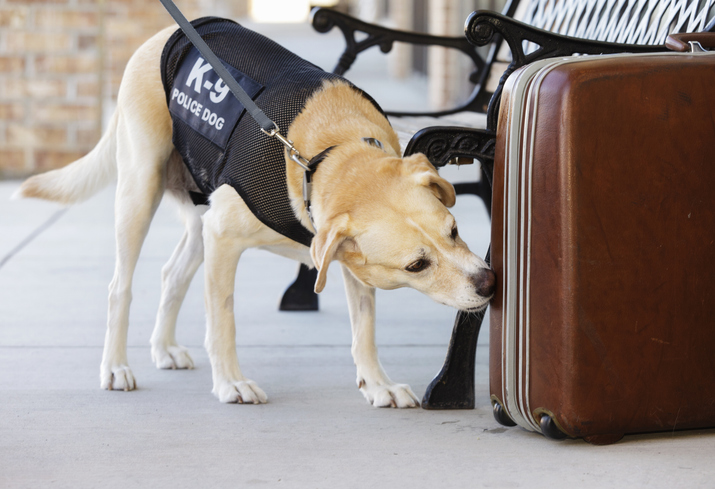
A K-9 sniff of a vehicle’s exterior is treated differently than a physical search. Courts have said that a brief sniff around the outside of a car is not, by itself, a search that requires a warrant. The reasoning is that the dog is only detecting odors in public space, not rummaging through personal property.
That narrow permission depends on timing and scope. The sniff must happen during the normal course of a lawful traffic stop. It cannot be used to add time, pressure, or investigative steps that the stop did not otherwise justify.
How Traffic Stop Searches Get Unlawfully Extended
Most illegal K-9 searches begin with delay. An officer finishes checking documents but keeps the stop going. Questions drift away from the traffic issue. Another unit is called. Minutes pass. The dog arrives.
That extension matters. Police cannot prolong a traffic stop just to wait for a K-9 unless they have independent, specific facts suggesting criminal activity. Without that justification, the delay itself can violate the Fourth Amendment, and everything that follows may be tainted.
When a Sniff Becomes a Pretext for a Car Search
If a dog alerts, officers often treat that alert as automatic permission to search the car. While a reliable alert can establish probable cause, courts still examine how officers got there. If the stop was unlawfully extended to conduct the sniff, the alert may not save the search.
This is where many Bronx cases turn. The issue isn’t the dog. It’s the decision to hold the driver and passengers beyond the traffic mission to bring the dog to the scene.
Searching Passengers During K-9 Stops
Passengers are frequently pulled into K-9 encounters. Officers may order them out of the vehicle or question them while the dog is present. That control is allowed for safety, but it does not authorize searching passengers.
A dog alert on a vehicle does not automatically justify searching the people inside. Searching passengers requires individualized justification, such as probable cause specific to that person, consent, or a lawful arrest. Being near a car that a dog alerted on is not enough.
The Pressure to Consent While a Dog Is Present
K-9 stops create pressure. The dog’s presence can make drivers and passengers feel like refusal is pointless. Officers may ask for consent to search bags or personal items, framing it as routine.
Consent must be voluntary. It is not voluntary if it’s given because someone feels they have no real choice. Courts look closely at whether consent was requested during an unlawfully extended stop or under coercive circumstances tied to the K-9’s presence.
How Inventory Searches Get Mixed Into K-9 Stops
Another abuse pattern appears when a K-9 sniff leads to towing. Once a vehicle is impounded, officers may conduct an inventory search. Inventory searches are supposed to be administrative, not investigative.
Problems arise when police treat the inventory as a continuation of the K-9 search. Opening containers, probing for evidence, or cataloging items beyond safekeeping purposes can turn an inventory into an unlawful search. The decision to tow must be legitimate, and the inventory must follow standardized procedures.
Why Timing Is the Deciding Factor
In K-9 cases, seconds matter. Courts reconstruct timelines carefully. When were documents returned? When was the ticket finished? When did the dog arrive? If the stop should have ended before the sniff, the search may be illegal regardless of what the dog did.
This focus on timing comes from constitutional principles reinforced by decisions of the Supreme Court of the United States, which has made clear that prolonging a stop without justification violates the Fourth Amendment.
What Police Often Rely On to Justify Delays
Officers sometimes point to nervousness, vague answers, or “gut feelings” to justify keeping a stop going. Courts have repeatedly said those general impressions are not enough. To extend a stop for a K-9, police must point to specific, objective facts suggesting criminal activity beyond the traffic violation.
Absent that, the dog’s arrival does not cure the unlawful delay.
Why K-9 Sniffs Feel So Decisive on the Street
From a person’s perspective, K-9 sniffs feel authoritative. Dogs are trained. Officers trust them. That dynamic makes it hard for drivers and passengers to question what’s happening in real time.
The law exists to balance that power. It recognizes the usefulness of K-9 units while still enforcing limits designed to protect individual rights.
Oversight of K-9 and Traffic Stop Practices
Patterns involving K-9 sniffs, extended stops, and inventory searches are not reviewed only case by case. The United States Department of Justice Civil Rights Division has authority to investigate systemic policing practices, including misuse of traffic stops and search tactics.
This oversight matters because K-9 encounters are common and carry a high risk of overreach.
What to Do If a K-9 Sniff Felt Wrong
If a K-9 was used during your Bronx traffic stop and something didn’t feel right, write down the sequence of events as soon as possible. Note why you were stopped, how long it lasted, when the dog arrived, and what searches followed.
Include whether passengers were searched, whether consent was requested, and whether the vehicle was later impounded. These details help clarify whether the sniff stayed within legal limits.
Why These Cases Deserve Close Review
K-9 sniffs sit at the intersection of traffic stop authority, car searches, passenger rights, and inventory procedures. That overlap makes abuse easier and harder to spot in the moment.
Careful review is often the only way to separate lawful use from constitutional violation.
Moving Forward After a K-9 Sniff in the Bronx
K-9 sniffs are allowed only within strict boundaries tied to the duration and purpose of a traffic stop. Passenger searches, car searches without warrants, and inventory procedures all have limits that a dog’s presence does not erase. At Horn Wright, LLP, our Bronx civil rights lawyers help people evaluate whether K-9 sniffs were used lawfully or as a shortcut around constitutional protections. If a K-9 was used during your Bronx stop and led to a search, call 855-465-4622 to speak with Bronx civil rights attorneys who will take the time to listen and explain your options.

What Sets Us Apart From The Rest?
Horn Wright, LLP is here to help you get the results you need with a team you can trust.
-
Client-Focused ApproachWe’re a client-centered, results-oriented firm. When you work with us, you can have confidence we’ll put your best interests at the forefront of your case – it’s that simple.
-
Creative & Innovative Solutions
No two cases are the same, and neither are their solutions. Our attorneys provide creative points of view to yield exemplary results.
-
Experienced Attorneys
We have a team of trusted and respected attorneys to ensure your case is matched with the best attorney possible.
-
Driven By Justice
The core of our legal practice is our commitment to obtaining justice for those who have been wronged and need a powerful voice.