


Music in Bronx Restaurants, Gyms, and Events: Licensing Basics
What Local Business Owners Need to Know About Music Rights
When you run a business in the Bronx, music often plays a big role in shaping the atmosphere. Whether you're serving dinner near Arthur Avenue, running a fitness class on East 138th Street, or hosting a birthday party at a private event space, music helps set the tone. But there's something many business owners and event organizers don’t always realize: using music publicly often means you need a license. If you play music without one, you might face fines or lawsuits, even if you didn’t know the rules.
At Horn Wright, LLP, we help Bronx civil rights attorneys and local businesses protect themselves from avoidable legal trouble. If your restaurant, gym, or event uses music, we can walk you through your legal responsibilities, handle negotiations with music licensing organizations, and help you avoid penalties. We know the Bronx, and we know how to help you stay compliant and stress-free.
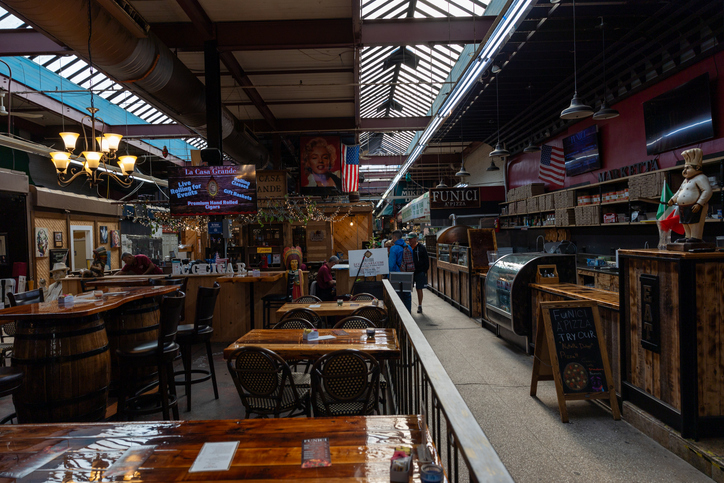
Understand How Public Music Use Triggers Licensing Rules
Music becomes more than just background noise when you play it in a public space. Under U.S. copyright law, a "public performance" happens when music plays in a setting where people gather outside their private homes. This includes businesses and events held throughout the Bronx.
Think about the atmosphere inside a café on Grand Concourse or a group cycling class in a Morris Park gym. If there's music playing and customers or attendees can hear it, that’s considered public use. And when that happens, the law expects you to have the right license from a performing rights organization.
This applies to music that comes from:
- Streaming platforms like Spotify or Apple Music
- Digital jukeboxes or music systems
- Live DJs or bands
- Televisions or radios
Even if your space is small or the music isn't loud, licensing rules still apply.
Identify the PROs That Cover Bronx Music Licensing
Four major organizations manage music licensing in the U.S.:
- ASCAP (American Society of Composers, Authors, and Publishers)
- BMI (Broadcast Music, Inc.)
- SESAC (originally the Society of European Stage Authors and Composers)
- GMR (Global Music Rights)
Each one controls different song catalogs. If your playlist includes tracks from artists under more than one PRO, you may need to secure licenses from multiple organizations.
For example, a restaurant near Yankee Stadium that plays pop hits during dinner service may unknowingly mix songs from all four groups. That means they can’t rely on a single license to stay covered. Most PROs offer license agreements tailored to business type and size, but they won’t share catalogs.
In the Bronx, PROs may send representatives to check compliance. If they find unlicensed music playing, they can send warning letters or even demand payment.
Pinpoint Which Bronx Businesses Must Get a Music License
Not every Bronx business needs a license, but many do. You likely need one if your space plays music in any form where customers or attendees can hear it.
Here are local examples of business types that often require a license:
- Sit-down restaurants in Fordham and Pelham Bay
- Fast-casual spots along White Plains Road that use background playlists
- Dance studios and gyms in Riverdale with music-driven classes
- Event spaces in Hunts Point hosting weddings or reunions
- Cafes near the Bronx Zoo that play music through a TV or radio
If your business charges admission or uses music to create a specific mood or brand, you're more likely to need a license. It doesn’t matter whether the music is live, recorded, or streamed.
Explain What Happens If Bronx Businesses Skip Licensing
Skipping a license might feel like a way to cut costs, but the consequences can quickly outweigh any savings. PROs monitor public use across the Bronx. If they discover unlicensed music in your space, they can take action.
Typical risks include:
- Cease-and-desist letters demanding you stop playing music immediately
- Fines that start in the thousands and rise quickly
- Lawsuits filed in federal court, sometimes without warning
A café in Melrose playing pop music from a personal Spotify account may appear harmless. However, a PRO rep hearing it during a visit could result in a fine and legal fees. Ignorance isn’t a defense.
Show How Bronx Businesses Can Secure the Right License
Fortunately, getting a license isn’t complicated. Each PRO offers business licenses based on usage, audience size, and venue type. You can usually complete the application online.
Steps to secure a license:
- Visit the PRO’s website and find the licensing section.
- Choose a license that matches your business type (e.g., restaurant, fitness center, event venue).
- Enter details like seating capacity, hours of operation, and how you play music.
- Pay the annual fee.
Fees often range from a few hundred to a few thousand dollars per year. If your Bronx venue plays music from several sources, call each PRO to confirm what you need. Many business owners find that speaking to a rep saves time and avoids double licensing.
Compare Licensing for Live vs. Recorded Music at Bronx Events
Live music and recorded music involve different requirements. If you host a local band in your restaurant or book a DJ for an event in Soundview, the type of performance affects who must carry the license.
- Recorded music (e.g., DJ playlists or iTunes libraries): the venue usually needs the license.
- Live performances: still require a license unless the performers play only original, unpublished work.
A summer block party in Crotona Park with a DJ playing copyrighted tracks may require coverage through a PRO license. When a live band performs original songs only, you might be exempt.
Understand Exceptions and Exemptions for Small Bronx Establishments
Some small Bronx businesses may qualify for limited exemptions. Federal law carves out narrow protections for certain spaces, especially those that only use traditional radio or TV.
You might be exempt if:
- Your establishment is under 3,750 square feet (if food/drink is served)
- You play music only through a radio or TV with fewer than six speakers
- You don’t charge admission
A bakery in Throggs Neck with one television playing news or music may not need a license. But the moment you switch to a curated Spotify playlist, you likely lose that protection.
Still, it’s worth reviewing these details with legal counsel. The rules change fast, and PROs don’t always agree on how they apply exemptions.
Review How to Handle DJs and Outside Performers in the Bronx
If you book a DJ for an event in Parkchester or host a wedding at a hall in Kingsbridge, you might think the performer covers all legal aspects. Not always.
Here’s how to protect yourself:
- Ask for proof: Request that DJs or performers show a PRO license if they plan to play copyrighted material.
- Put it in writing: Add music licensing responsibility to your event or vendor contracts.
- Stay informed: Know what songs will be played and where they come from.
Some Bronx event spaces add clauses to rental agreements requiring entertainers to carry their own music rights coverage. This keeps the venue from absorbing legal risk if the DJ doesn’t comply.
Offer Tips to Stay Compliant and Avoid Surprises
Music licensing doesn’t have to be overwhelming. Bronx business owners who stay proactive rarely run into issues. Here are ways to stay ahead:
- Maintain copies of all PRO licenses and keep them updated
- Monitor who controls the music (staff, DJs, streaming services)
- Avoid personal playlists unless you have the proper license
- Train staff not to use unauthorized music during shifts
- Review licenses annually or whenever you change music sources
- Set clear expectations with event partners and entertainers
Licensing rules often change. Taking time to review your setup each year keeps you protected and reduces the risk of an unexpected fine. This is especially important when considering issues around fair use and stock image licensing.
Wrap Up: Make Legal Music Use a Bronx Business Standard
If your Bronx business plays music for guests, customers, or event attendees, it’s your job to make sure you’re doing it legally. From cafés in Belmont to gyms in Wakefield, music licensing is part of responsible business ownership. Just like you wouldn’t skip a health inspection, you shouldn’t ignore your music rights.
Following these guidelines helps you avoid costly mistakes and keeps your space welcoming and professional.
Work With Horn Wright, LLP, to Protect Your Bronx Business
Our team at Horn Wright, LLP, understands how local businesses operate across the Bronx. We help restaurants, gyms, and event venues get clear answers about music licensing. If you’re unsure what you need or want help handling license negotiations, we’re ready to step in. With decades of legal experience and deep Bronx roots, we make sure you stay protected so you can focus on running your business. Contact us today to take that stress off your shoulders.

What Sets Us Apart From The Rest?
Horn Wright, LLP is here to help you get the results you need with a team you can trust.
-
Client-Focused ApproachWe’re a client-centered, results-oriented firm. When you work with us, you can have confidence we’ll put your best interests at the forefront of your case – it’s that simple.
-
Creative & Innovative Solutions
No two cases are the same, and neither are their solutions. Our attorneys provide creative points of view to yield exemplary results.
-
Experienced Attorneys
We have a team of trusted and respected attorneys to ensure your case is matched with the best attorney possible.
-
Driven By Justice
The core of our legal practice is our commitment to obtaining justice for those who have been wronged and need a powerful voice.