


Understanding Police Shooting Investigations
Behind the Badge: How Investigations Really Work in Police Shootings
When a police officer fires their weapon, whether someone’s injured or killed, it shakes everything. You’re left stunned. Angry. Looking for answers that don’t come. And trying to get clarity through official channels can be draining. Wrongful shooting attorneys are here for one reason: to help you uncover the truth and hold the system accountable.
At Horn Wright, LLP, we support families who felt pushed aside and unheard. If a police shooting turned your world inside out, you don’t have to face it without support. Laws around police accountability and use of force vary slightly across states like New York, Maine, New Hampshire, and Vermont. That means how a case is investigated, and how justice is pursued, can shift depending on where it happens. We’re ready to help you make sense of what happened and what comes next, wherever it happened.
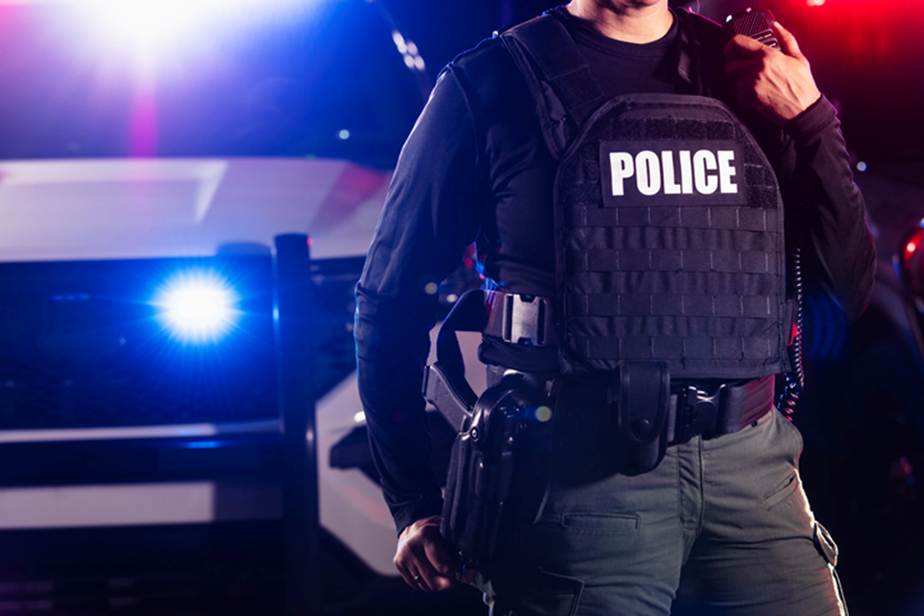
Lights, Sirens, and Silence: What Really Happens Right After a Police Shooting
When the flashing lights fade, the questions start piling up. Officers secure the scene, tape off the area, and begin collecting evidence; at least, that’s what’s supposed to happen. But if deadly force was used without cause, filing a claim for excessive force may depend on exactly what is or isn’t preserved in those first few hours.
Here’s what usually unfolds:
- The scene gets locked down and physical evidence is collected (sometimes inconsistently)
- Officers give statements, often with union reps nearby
- A quick internal review kicks off, handled by the officer’s own department
- If someone dies, the Medical Examiner is notified
This process isn’t as clean or impartial as it sounds. Delays happen. Crucial footage disappears. And many details never see daylight, sometimes because officers give vague, conflicting, or incomplete reports that shift blame or downplay wrongdoing.
That’s why having wrongful shooting attorneys on your side early matters. They know how to uncover the evidence others might prefer stays hidden, especially in cases where police misconduct distorts the truth from the very beginning.
Policing Their Own: Why 'Internal Investigations' Don’t Cut It
It’s hard to trust an investigation when the people doing it work side-by-side with the officer involved. That’s exactly the problem with internal reviews. They’re not criminal investigations. They’re focused on department policies. And that often means shielding the department’s image, not exposing the truth.
Even when the Office of Special Investigation (OSI) gets involved, there are limits. They only step in when the law says they can. Death or serious injury? Maybe. But if it’s outside those rules, it’s back to the department investigating itself.
This pattern reflects a larger issue, systems that protect insiders and shut everyone else out. It’s a form of government abuse, and it’s one reason families have to push so hard to be heard.
The OSI looks into more than 200 cases each year. That number isn’t small. But volume doesn’t guarantee justice. It only shows how often families are left demanding answers.
Loyalty Over Justice: When the Department Investigates Its Own
You’ve probably heard this line: “The matter is under investigation.” Sounds like they’re doing their job. But if the review is being handled by someone who sits in the same squad room, that’s not exactly impartial.
The 2023 NYPD Use-of-Force Report shows that unintentional firearm discharges dropped from 11 to 8. That stat might sound reassuring, until you realize how many intentional shootings go unquestioned.
If your loved one was also wrongfully detained before getting killed, you may be looking at a case of false imprisonment. And no internal review is going to fix that. But civil claims can demand the accountability internal channels don’t provide.
Prosecuting Their Friends? The DA and Police’s Entangled Relationship
Prosecutors and police work together every single day. That’s the reality. So when a district attorney has to investigate the same officers they depend on for other cases? You can imagine the conflict.
Sometimes it shows up in soft language. “Lack of evidence.” “Unclear circumstances.” Other times, cases never even make it to a grand jury, just like what happened during the Rochester protests, where public outrage boiled over following the delayed release of critical bodycam footage.
That tight-knit relationship can seriously hurt your chances in a civil or criminal case, especially when you’re dealing with ingrained police brutality. It’s why families demand independent prosecutors who won’t hesitate to dig deeper.
Cameras, Casings, and Gaps: The Evidence That Can Make or Break the Case
Bodycams are meant to capture exactly what went down. But sometimes, they’re switched off. Other times, they “malfunction” or miss the most critical moments.
And the delay? That’s another problem. Departments often withhold footage under the guise of an “active investigation.” You’re left waiting. And waiting. It happened in Daniel Prude’s case, where footage was hidden until public pressure finally forced it out.
Voices From the Street: Eyewitnesses and Forensics Speak Louder Than Reports
Eyewitnesses can make a huge difference. Their stories are real, immediate, and powerful. But they’re often dismissed or overlooked.
Then there’s the physical evidence. Forensics matter:
- Ballistics show how far the officer was when they fired
- Autopsies reveal trajectory and wound patterns
- Gunshot residue confirms proximity
These details can make or break a claim. Understanding those differences is key because even one missed detail could change the direction of a fatal police shooting lawsuit.
Beyond the Blue Wall: Why Independent Eyes Matter in Police Investigations
You deserve real accountability, not vague promises. Independent oversight can shine a light where departments won’t.
Agencies like the CCRB and the Inspector General’s Office are meant to do just that. They investigate policies and practices and can recommend reforms. But enforcement power? That’s another story.
Still, these outside eyes matter, especially in cases tied to racial profiling and systemic injustice. They’re sometimes the only reason an investigation stays open at all.
Families as Force: Turning Public Outcry into Action
Grieving families have led some of the most powerful movements. From communities across the country, their voices have turned outrage into real public pressure. But when peaceful protest leads to violence by police, you may have grounds for a legal claim.
Here’s what you can start doing:
- Submit FOIL requests and demand access to documentation
- Keep track of everything including ates, details, names
- Speak to witnesses early
- Connect with advocacy organizations across the city
Your voice matters. Your story carries the weight of what happened, and in cases involving unlawful force, it can expose patterns of illegal search and seizure or other rights violations that demand accountability.
Ready to Speak Up? Let’s Make Sure You’re Heard
If you’re dealing with the aftermath of a police shooting, there’s a lot on your shoulders: pain, questions, and the heavy feeling that no one’s listening. But you're not invisible, and you're not powerless.
If you're searching for trusted wrongful shooting attorneys who know how to challenge what’s broken and fight for what’s fair, contact Horn Wright, LLP. It’s time to be heard.

What Sets Us Apart From The Rest?
Horn Wright, LLP is here to help you get the results you need with a team you can trust.
-
Client-Focused ApproachWe’re a client-centered, results-oriented firm. When you work with us, you can have confidence we’ll put your best interests at the forefront of your case – it’s that simple.
-
Creative & Innovative Solutions
No two cases are the same, and neither are their solutions. Our attorneys provide creative points of view to yield exemplary results.
-
Experienced Attorneys
We have a team of trusted and respected attorneys to ensure your case is matched with the best attorney possible.
-
Driven By Justice
The core of our legal practice is our commitment to obtaining justice for those who have been wronged and need a powerful voice.