


Holding Nursing Home Administrators Accountable for Sexual Abuse
Protecting Elderly Residents and Pursuing Accountability
The idea of sexual abuse in a nursing home sounds unthinkable. But for far too many families across New York State, it becomes a devastating reality. When we place a loved one in a long-term care facility, we do it with trust. We expect trained professionals to care for them with dignity, safety, and compassion. But when that trust is broken, the emotional impact can be overwhelming. Sexual abuse against elderly residents is horrifying, and it’s something that should never be ignored, excused, or hidden.
At Horn Wright, LLP, our attorneys help families hold New York nursing home administrators accountable. We understand how to uncover wrongdoing, demand answers, and fight for justice. If your loved one suffered abuse in a care facility, our team can help you take that weight off your shoulders and make your voice heard through experienced legal guidance in complex nursing home sexual abuse cases.
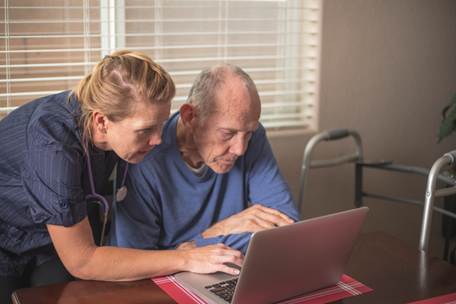
What Counts as Sexual Abuse in a Nursing Home Setting
Sexual abuse in elder care facilities involves any unwanted or non-consensual sexual contact. This includes touching, groping, penetration, or forcing a resident to witness sexual acts. In New York, consent becomes especially complex when a resident suffers from cognitive decline or dementia. The law protects residents who can no longer speak for themselves.
Abuse doesn’t always come from staff. Administrators in New York nursing homes are also responsible for preventing sexual abuse between residents. If one resident harms another due to lack of supervision, that’s still a serious failure on the part of the facility.
Key examples of sexual abuse in care homes include:
- Inappropriate touching by staff during bathing or dressing
- Sexual comments or gestures from caregivers
- Unsupervised residents assaulting others
- Staff coercing residents into silence
New York State law doesn’t just punish abusers. It also holds institutions accountable for failing to prevent harm.
Why Nursing Home Administrators Hold Legal Responsibility
Administrators are not just managers. In New York, they’re licensed professionals with specific legal duties. They oversee daily operations, ensure proper staff training, and must implement safety policies. If a resident suffers sexual abuse under their watch, they can face both civil and regulatory consequences.
Administrators must:
- Hire staff with clean backgrounds
- Supervise employees to prevent misconduct
- Respond immediately to reports of abuse
- Train caregivers on handling vulnerable residents
Under New York Public Health Law, failure to protect residents can lead to license suspension, fines, or lawsuits. Even if the administrator didn’t commit the abuse directly, their inaction or poor oversight can make them liable. The law views silence as complicity when it comes to resident safety.
When an administrator allows low staffing, ignores complaints, or overlooks red flags, they create an environment where abuse can happen. That’s negligence.
Signs of Abuse Nursing Homes Must Not Ignore
Administrators and staff receive training to spot signs of sexual abuse. And in New York, they’re legally required to report concerns to both facility leadership and the state. Ignoring the following signs can signal a deeper problem inside the nursing home:
- Unexplained genital injuries or bruising
- Withdrawal from social activities
- Flinching or fear around certain staff or residents
- Torn clothing or stained undergarments
- Sudden depression or silence
Even subtle changes, like anxiety during bathing or reluctance to be alone, can indicate abuse. Nursing homes in New York must investigate every report, no matter how small it may seem.
Failure to document or respond to signs violates both state regulations and moral responsibility. Administrators set the tone for whether a facility responds with action or indifference.
When Administrators Fail: Facility Culture and Oversight
Sexual abuse in nursing homes often stems from deeper systemic failures. Warning signs like ignored complaints, understaffed shifts, and overlooked misconduct can signal a breakdown in oversight. These problems don’t happen overnight. Poor management, weak policies, and a lack of urgency from leadership allow unsafe conditions to grow unchecked.
Administrators must act quickly when concerns arise. Failing to address risks or remove dangerous staff creates an environment where abuse can continue. Facilities in violation may face state citations and legal consequences. Families looking to evaluate facility safety can use New York’s official database to compare nursing homes based on reported inspections and documented issues.
The Role of the New York State Department of Health (NYSDOH)
The NYSDOH oversees nursing home safety and enforces rules to protect residents. They conduct surprise inspections, review staffing logs, and investigate complaints from families. If the department finds evidence of abuse or administrative failure, they can issue citations, reduce a facility’s rating, or revoke its license.
Families can file a complaint through:
- The NYSDOH Nursing Home Complaint Hotline
- The online Nursing Home Complaint Form on health.ny.gov
Once a complaint is filed, the department assigns investigators to review records, interview staff, and inspect the facility. NYSDOH also publishes inspection reports for every licensed home in the state. These reports show patterns of violations and how administrators have responded.
If your loved one was harmed, filing a complaint with NYSDOH helps expose unsafe practices and protect others. It also creates a documented trail that can support legal action later on.
Legal Options for Families and Survivors
If your loved one experienced sexual abuse in a New York care facility, you may be able to file a civil lawsuit against the administrator and the nursing home. These lawsuits are about justice. They aim to hold negligent leadership accountable and prevent similar abuse from happening to someone else.
New York law allows victims or their families to seek damages for:
- Physical pain and injuries
- Emotional trauma and mental distress
- Medical expenses related to the abuse
- Cost of relocating to a safer facility
In some cases, courts may award punitive damages if the administrator acted with clear disregard for resident safety. These cases are complex and emotionally difficult, and it’s important to understand why survivors may delay speaking out, which can affect both legal timing and emotional recovery. Civil action gives families a way to demand accountability from those who failed to protect vulnerable residents.
How Evidence Builds a Strong Legal Case
Building a strong legal case starts with documentation. New York attorneys often rely on detailed evidence that shows how abuse occurred and what the facility failed to do. Gathering proof early makes it easier to establish a clear pattern of negligence.
Helpful evidence includes:
- Medical records showing injuries or trauma
- Photos of physical signs
- Witness statements from staff or other residents
- Surveillance video (if available)
- Copies of internal facility reports
- Prior NYSDOH citations against the home
Don’t wait too long. The more time passes, the harder it becomes to gather fresh details. Facilities may lose records or forget key facts. An experienced attorney will know how to obtain documents and interview the right people to support your case.
How Families Can Take Action Right Now in New York State
If you suspect abuse, act quickly. Even if you’re unsure, it’s better to speak up than to stay silent. Protecting your loved one and others means taking immediate steps:
- Take notes on any physical or emotional changes you notice
- Ask staff for written incident reports and care records
- File a complaint with the NYSDOH
- Remove your loved one from the facility if their safety is at risk
- Speak with an elder abuse attorney based in New York
Many families feel overwhelmed and unsure of what to do next. That’s completely normal. But the sooner you act, the more likely you are to uncover the truth and prevent further harm. Trust your instincts, and don’t let anyone dismiss your concerns.
Speak Up and Demand Accountability
Every resident in a New York nursing home deserves safety, dignity, and care. When administrators fail to uphold that standard, they must be held accountable. Families have legal rights, and survivors deserve justice. At Horn Wright, LLP, we help clients across New York take a stand against abuse. If you’re ready to take action, reach out to our sexual abuse attorneys who listens and acts with purpose.

What Sets Us Apart From The Rest?
Horn Wright, LLP is here to help you get the results you need with a team you can trust.
-
Client-Focused ApproachWe’re a client-centered, results-oriented firm. When you work with us, you can have confidence we’ll put your best interests at the forefront of your case – it’s that simple.
-
Creative & Innovative Solutions
No two cases are the same, and neither are their solutions. Our attorneys provide creative points of view to yield exemplary results.
-
Experienced Attorneys
We have a team of trusted and respected attorneys to ensure your case is matched with the best attorney possible.
-
Driven By Justice
The core of our legal practice is our commitment to obtaining justice for those who have been wronged and need a powerful voice.