


Nursing Home Sexual Abuse: When Criminal Charges Apply
Holding Abusers Accountable in New York Nursing Homes
After an incident of sexual abuse in a nursing home, families feel overwhelmed, angry, and desperate to protect their loved ones. These emotions are real, and they deserve more than vague apologies or stalled investigations. In New York State, the law provides clear paths for holding abusers criminally accountable. But many families don’t know where to begin. When sexual abuse involves vulnerable elderly residents, time matters, and so does knowing your legal rights.
At Horn Wright, LLP, we represent families throughout New York who are dealing with the emotional trauma and legal aftermath of nursing home sexual abuse. Our attorneys understand state criminal statutes, reporting requirements, and the steps needed to build a strong case. We take the legal burden off your shoulders so you can focus on supporting your loved one.
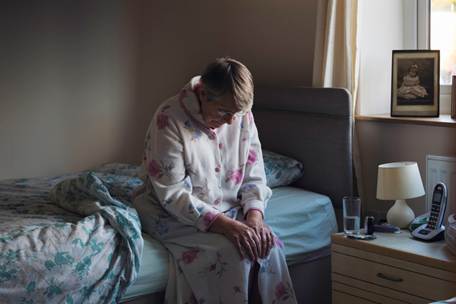
Understand What Counts as Sexual Abuse in Nursing Homes
Sexual abuse in nursing homes includes more than assault. Under Article 130 of New York Penal Law, any sexual contact without clear, lawful consent can qualify as a crime. In nursing homes, that line is especially sharp because many residents live with dementia, Alzheimer’s, or other cognitive conditions that make consent legally impossible.
The law covers a range of abusive acts:
- Unwanted touching of intimate areas
- Coerced sexual contact
- Sexual acts performed on an unconscious or incapacitated person
- Forcing a resident to perform sexual acts
Even when there are no visible injuries, the law in New York treats these acts as serious offenses. Residents with memory loss or confusion often cannot report what happened. That makes the abuse no less criminal. Prosecutors may move forward based on physical evidence, witness accounts, or behavioral changes in the resident.
Recognize the Warning Signs of Sexual Abuse in Nursing Homes
Most sexual abuse cases begin with a gut feeling. A daughter notices her father has unexplained bruises. A nurse finds a resident flinching during care. These early signals often carry more weight than families realize. Knowing what to look for can prompt faster action.
Physical signs may include:
- Bruising or bleeding in the genital or anal area
- Torn or stained underclothing
- Sexually transmitted infections
- Difficulty walking or sitting
In both urban and rural New York facilities, staffing levels vary. That means some residents get less supervision than others. Whether your loved one is in a large Queens facility or a smaller nursing home near Elmira, you have the right to demand answers if something seems wrong.
Know Who Can Face Criminal Charges
Sexual abuse doesn’t always come from a stranger. In nursing homes, abusers may be:
- Nursing aides or licensed staff members
- Administrators who cover up reports or fail to act
- Other residents with a history of violence or mental illness
- Visiting family members or contractors allowed into private rooms
New York prosecutors can bring charges even when the victim doesn’t testify. Courts may rely on DNA, injury documentation, surveillance footage, or witness statements. If a facility ignored warnings or failed to monitor someone known to be aggressive, that failure could become part of the legal case.
Understand How Criminal Charges Are Filed
Bringing criminal charges requires several coordinated steps, especially in cases involving vulnerable seniors. First, someone must report the abuse. This can be a family member, a concerned staffer, or even a hospital worker who sees signs of trauma.
Once reported:
- Local law enforcement (such as the NYPD or a county sheriff) investigates the claim
- Adult Protective Services (APS) may open a parallel inquiry
- The New York State Department of Health could inspect the facility
- Evidence is forwarded to the local District Attorney’s Office for review
In places like Albany, Rochester, or Staten Island, specialized elder abuse units may oversee these cases. Prosecutors can file charges even without a clear eyewitness. If the facility delayed the report or destroyed records, that could become part of the criminal case.
Review the Types of Criminal Charges That May Apply
The charges depend on the specific conduct and the resident’s capacity to consent. Under New York law, several serious charges may apply:
- Sexual abuse in the first or second degree (N.Y. Penal Law §130.65, §130.60)
- Rape when penetration occurs and the victim lacks capacity to consent
- Criminal sexual acts (oral or anal sexual conduct without consent)
- Endangering the welfare of a vulnerable elderly person (N.Y. Penal Law §260.32)
These charges often rise to the level of Class D or Class B felonies, carrying prison terms from several years to decades. Convictions may require the offender to register as a sex offender under New York’s Sex Offender Registration Act (SORA).
Examine How Facility Negligence May Lead to Criminal or Civil Consequences
When nursing homes fail to act, they may face more than public criticism. Criminal and civil consequences can follow if they allowed abuse to occur through neglect or misconduct.
Facilities may be held liable if they:
- Failed to screen employees with prior abuse allegations
- Ignored complaints or failed to document them
- Left residents unsupervised with known abusers
- Violated safety rules under New York Public Health Law
While criminal charges typically target individuals, civil cases often name the facility. A civil lawsuit can expose patterns of negligence, understaffing, or administrative cover-ups. In New York State, the discovery process in civil litigation may uncover facility failures that weren’t clear at the outset.
Act Quickly: New York’s Reporting and Statute of Limitations Rules
Time limits apply, and they matter. New York requires certain staff to report abuse to Adult Protective Services. That includes health care workers, facility administrators, and social workers. Failing to report can bring its own legal consequences.
For criminal prosecution:
- Sexual abuse felonies usually have a statute of limitations of five years
- Certain acts involving vulnerable elderly people may have longer limits
Civil lawsuits have different deadlines, which may vary depending on the type of claim and the location of the facility. If you wait too long, evidence may disappear, and witnesses may become unavailable.
Families in places like Syracuse or the Bronx should act as soon as they suspect abuse. Contact APS, local police, or the New York State Justice Center for the Protection of People with Special Needs.
Work With Law Enforcement and Legal Advocates
The process is hard. But you don’t have to handle it alone. New York offers multiple avenues for getting support and pursuing justice. Local law enforcement agencies understand how to handle elder abuse cases, especially when victims cannot speak for themselves.
Helpful steps include:
- Reporting immediately to the facility administrator and police
- Documenting visible injuries with dates and photographs
- Requesting copies of internal reports or video surveillance
- Contacting regional elder abuse units, such as the Brooklyn DA’s Elder Abuse Unit
- Working with APS to arrange temporary protection if needed
Advocates can also help you file complaints with the New York State Department of Health or push for administrative penalties when criminal charges are delayed. The fact that sexual abuse victims commonly don’t report can complicate investigations and delay justice.
Don’t Wait to Protect Your Loved One
If you suspect sexual abuse in a New York nursing home, take action quickly. The longer you wait, the harder it becomes to hold the abuser accountable. At Horn Wright, LLP, we help families across New York State pursue justice through every legal path available. Our sexual abuse attorneys know how to work with law enforcement, collect strong evidence, and fight for the safety and dignity of your loved one.

What Sets Us Apart From The Rest?
Horn Wright, LLP is here to help you get the results you need with a team you can trust.
-
Client-Focused ApproachWe’re a client-centered, results-oriented firm. When you work with us, you can have confidence we’ll put your best interests at the forefront of your case – it’s that simple.
-
Creative & Innovative Solutions
No two cases are the same, and neither are their solutions. Our attorneys provide creative points of view to yield exemplary results.
-
Experienced Attorneys
We have a team of trusted and respected attorneys to ensure your case is matched with the best attorney possible.
-
Driven By Justice
The core of our legal practice is our commitment to obtaining justice for those who have been wronged and need a powerful voice.