


Protecting Elderly Residents from Sexual Abuse: What Families Should Know
A Guide for Families to Identify Risks and Protect Loved Ones in Long-term Care.
After placing a loved one in a nursing home or assisted living facility, you hope they’ll be cared for with dignity and respect. Most families in New York feel a deep sense of relief once their loved one settles in. But that peace can quickly disappear when signs of mistreatment or abuse surface. Among the most distressing forms is sexual abuse.
If you're worried about a parent or elderly relative living in a care facility, you're not alone. At Horn Wright, LLP, our attorneys understand the pain families feel when a trusted institution fails to protect a loved one. We represent clients across New York State in nursing home abuse claims and fight to hold facilities legally responsible. If you suspect something is wrong, we’re here to help you take action.
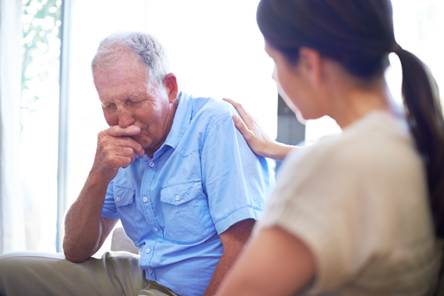
Understand What Elder Sexual Abuse Looks Like
Sexual abuse in elder care isn’t always obvious. It includes any sexual contact without consent, which can involve physical force, coercion, threats, or manipulation. In New York care facilities, victims are often residents who cannot speak for themselves. Some may have dementia, others may be non-verbal, and many lack the physical ability to resist or report the abuse.
This type of abuse may involve inappropriate touching, forced nudity, sexual assault, or even being photographed without permission. It may also include verbal sexual harassment. Because signs aren’t always visible, many families miss them until the abuse has gone on for months. Awareness is your strongest tool.
In care homes across New York, from small private residences to larger facilities, these cases can and do happen. Families in Buffalo, Rochester, and Brooklyn have all faced difficult truths when trusted caregivers violated their responsibilities.
Know Who’s Most at Risk in New York Care Facilities
Not every resident faces the same level of risk. Certain individuals are more likely to be targeted due to physical or cognitive limitations. In New York nursing homes, the following residents often face the highest risk:
- Individuals with Alzheimer’s or dementia
- Residents with limited mobility or who require assistance to move
- Those with poor vision or hearing
- Residents who are socially isolated or without regular visitors
- Individuals who have survived past trauma and may struggle to speak up
Facilities located in both urban areas like Queens and more rural parts of upstate New York can lack proper staffing. Understaffing often leads to lower oversight, rushed care, and unchecked abuse. In these environments, predators may feel emboldened to act without consequence.
Recognize the Warning Signs of Sexual Abuse
Sexual abuse doesn’t always leave obvious injuries. Still, there are signs that can help you detect when something isn’t right. Watch closely during visits, and don’t dismiss changes in behavior or mood as part of aging.
Physical indicators might include:
- Bruises near the inner thighs or genitals
- Unexplained bleeding
- Torn undergarments or clothing
- Repeated urinary tract infections
Emotional and behavioral changes can include:
- Sudden fear or anxiety around certain staff members
- Withdrawal from family or refusal to talk
- Refusal to participate in activities they once enjoyed
In New York nursing homes near Albany or Yonkers, families have reported cases after noticing subtle but persistent changes. Trust your instincts. If something feels off, take it seriously.
Understand the Legal Protections for New York Elders
New York has laws in place to protect nursing home residents. Under NY Public Health Law § 2801-d, residents have the right to be free from abuse, mistreatment, and neglect. Facilities that fail to provide a safe environment may be held legally responsible.
Federal protections also apply. The Nursing Home Reform Act ensures residents’ rights to dignity, privacy, and personal safety. Violations can trigger state and federal investigations.
The New York State Department of Health regulates nursing homes statewide. They investigate complaints and track violations. The Long Term Care Ombudsman Program serves as a voice for residents, advocating on their behalf when abuse or neglect occurs.
These legal structures give families a framework to act. The first step often comes from your vigilance.
Learn Where and How to Report Suspected Abuse in New York
If you suspect sexual abuse, reporting it quickly protects your loved one and others in the facility. In New York, families can file complaints through multiple channels:
- New York State Department of Health: Accepts reports for licensed nursing homes.
- Justice Center for the Protection of People with Special Needs: Oversees abuse allegations in facilities serving vulnerable populations.
- Adult Protective Services (APS): Investigates elder abuse reports, especially for residents in non-institutional settings.
- Local Police Department: In cases of immediate danger or sexual assault, call 911 or file a report with law enforcement.
Some families in Staten Island and Suffolk County have filed reports directly through the state’s online complaint portal. These reports help trigger inspections and may lead to facility citations or penalties.
Document everything: dates, descriptions, and responses from staff. Written records strengthen investigations and support legal action if needed.
Visit and Communicate Often: A Family’s Role in Prevention
Your presence matters. Residents who receive regular visits are less likely to be abused. Abusers target those who seem forgotten.
Simple steps can make a meaningful difference:
- Drop by unannounced at different times of day
- Speak directly with your loved one in private
- Ask open-ended questions about their care and comfort
- Build relationships with multiple staff members
- Watch for shifts in mood, cleanliness, and clothing
New York families in areas like Westchester and Nassau counties have found that staying involved helps deter abuse. It also gives residents a greater sense of safety and belonging.
Ask the Right Questions When Choosing a Facility
The choices you make early on can reduce risk later. When touring care facilities, ask specific, direct questions:
- How do you screen new staff and conduct background checks?
- What training do staff receive on elder abuse prevention?
- Do you have surveillance cameras in common areas?
- What is your staff-to-resident ratio during overnight shifts?
- Have you had any recent violations reported to the Department of Health?
You can check inspection histories using the New York State Nursing Home Profiles tool. This public resource lists citations, staffing levels, and safety records.
Whether you’re considering a facility in Manhattan or Erie County, detailed questions can reveal how seriously a home takes resident safety.
Hold Facilities Accountable: Legal Action and Civil Claims
If abuse occurs, families have the right to pursue legal action. Civil lawsuits help survivors seek justice, recover damages, and force facilities to improve conditions.
A New York nursing home abuse case typically involves:
- Gathering medical records and witness statements
- Showing how the facility failed to protect the resident
- Calculating damages for pain, suffering, and medical care
Civil claims may also lead to changes in facility policy, preventing future harm. In New York State, families have brought successful claims against homes in both public and private systems. Even if your loved one cannot testify, evidence can still speak for them.
Use Local Resources to Support and Protect Your Loved One
New York offers strong community support for families facing elder abuse. These services provide guidance, investigation support, and legal advocacy:
- Long Term Care Ombudsman Program: Volunteers advocate for residents' rights in nursing homes and assisted living.
- New York State Office for the Aging (NYSOFA): Offers programs for elder wellness, abuse prevention, and caregiver support.
- Adult Protective Services (APS): Investigates and intervenes in abuse cases across New York counties.
In Monroe, Kings, and Onondaga counties, these agencies work closely with families and legal advocates to ensure vulnerable residents receive help quickly. Reach out if you need guidance.
Stay Vigilant and Stay Involved
Elder sexual abuse is devastating. But you can take action to protect your loved one. Involvement, awareness, and informed decisions reduce the risk of harm. Families across New York have stood up, spoken out, and pushed back against nursing homes that failed to protect those in their care.
If you're concerned, don’t wait. At Horn Wright, LLP, we help families fight for accountability and justice. Our team handles nursing home abuse cases across New York State, and we’re here to support you every step of the way. Your loved one deserves safety. Let’s help you protect it.

What Sets Us Apart From The Rest?
Horn Wright, LLP is here to help you get the results you need with a team you can trust.
-
Client-Focused ApproachWe’re a client-centered, results-oriented firm. When you work with us, you can have confidence we’ll put your best interests at the forefront of your case – it’s that simple.
-
Creative & Innovative Solutions
No two cases are the same, and neither are their solutions. Our attorneys provide creative points of view to yield exemplary results.
-
Experienced Attorneys
We have a team of trusted and respected attorneys to ensure your case is matched with the best attorney possible.
-
Driven By Justice
The core of our legal practice is our commitment to obtaining justice for those who have been wronged and need a powerful voice.