


Protecting Resident Privacy After Reporting Sexual Abuse
When Speaking Up Feels Risky, Privacy Becomes Everything
After someone reports sexual abuse in a care facility, what happens next can shape the rest of their life. That moment is stressful enough. But for many residents in New York’s nursing homes, group homes, or residential care centers, another fear kicks in fast: Who will find out?
At Horn Wright, LLP, we understand the risks that come with speaking up. Reporting sexual abuse takes immense courage. Our nursing home sexual abuse attorneys helps survivors and families protect their rights, including the right to privacy. If you or someone you love has experienced abuse in a care facility anywhere in New York State, we’re here to help you take that next step safely, confidently, and with support you can trust.
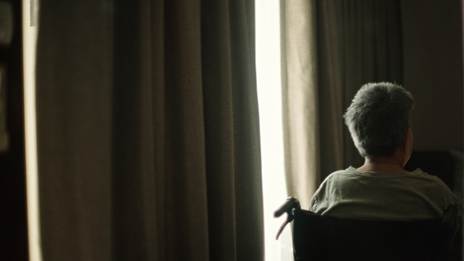
Recognize the Need for Confidential Reporting
In New York State, thousands of people live in facilities where they depend on others for daily care. That includes elderly adults in nursing homes, individuals with disabilities in group homes, and patients recovering in residential mental health facilities. These are vulnerable settings. When someone experiences sexual abuse in a place like this, the fear of being exposed can make reporting even harder.
Some people worry staff members will retaliate. Others fear humiliation or gossip. In some facilities, especially those with high turnover or understaffing, confidentiality may not seem like a priority. But in New York, privacy isn’t optional, it’s protected.
Facilities across the state must follow strict confidentiality rules. Whether the abuse happened in a Queens adult care center or a group home in Buffalo, no one has the right to make that trauma public.
Know Your Legal Right to Privacy Under New York State Law
Residents in New York have powerful legal protections when they report sexual abuse. Federal law, including the Health Insurance Portability and Accountability Act (HIPAA), sets baseline privacy standards. New York State strengthens those standards with broader protections.
Residents have the right to access and control their medical information. No one can share a resident’s health records or personal details without permission, especially if those details relate to an abuse report. That protection applies consistently across different care settings:
- Nursing homes licensed by the New York State Department of Health
- Facilities regulated by the Office for People With Developmental Disabilities (OPWDD)
- Mental health centers operating under the Office of Mental Health (OMH)
These legal safeguards apply statewide, offering equal protection whether someone reports abuse in Manhattan, Syracuse, or a rural part of the Southern Tier.
Understand What Information Must Stay Confidential
When a resident reports sexual abuse, several types of information must remain confidential under New York law. This includes:
- The resident’s name
- Medical diagnoses or treatment details
- Descriptions of the alleged abuse
- Names of witnesses or accused individuals
Any medical provider, facility staff member, or investigator who handles this information has a legal duty to protect it. In New York, unauthorized disclosure can lead to administrative penalties and even criminal charges.
State agencies like the Department of Health and OPWDD monitor facilities for privacy violations. Even an accidental slip can lead to a formal investigation.
Learn How Facilities in New York Must Handle Abuse Reports
Once someone reports sexual abuse in a New York facility, administrators must take immediate and careful steps. They can’t simply ignore it.
Under state law:
- The facility must document the report promptly
- They must notify appropriate authorities, including the New York State Justice Center for the Protection of People with Special Needs (if applicable)
- An internal investigation must begin without delay
- The resident’s privacy must be maintained throughout the process
If the resident is in a facility under the Justice Center’s jurisdiction, the case may be assigned to a specially trained investigator. These professionals understand both the sensitivity and complexity of abuse cases in care settings.
Families and residents have the right to ask how their information will be stored, who will see it, and how long it will be kept. Transparency matters, especially when trust is already fragile.
Explore the Role of Anonymous Reporting
In some cases, the safest way to speak up is to remain anonymous. New York makes that possible.
The Justice Center and other state agencies allow anonymous reporting through secure hotlines and web forms. Anyone, whether a resident, family member, staff member, or visitor, can use these tools to report suspected sexual abuse.
These systems:
- Do not collect identifying information unless the reporter provides it voluntarily
- Keep IP addresses and contact data confidential
- Allow follow-up communication through secure portals
This process encourages people to act without fear. In facilities with a history of retaliation or intimidation, anonymous reporting tools can make all the difference.
Spot Red Flags When Privacy Gets Violated
Unfortunately, privacy breaches happen. Some are obvious. Others are subtle and just as harmful. Families and advocates should stay alert to these red flags:
- Staff discussing abuse allegations openly in hallways
- Residents hearing about reports that don’t involve them
- Sensitive documents left in shared areas
- Social media posts that hint at internal incidents
These aren’t just bad practices. In New York, they may count as violations of HIPAA, state confidentiality rules, or even criminal law.
If you notice a breach, you can report it to the New York State Office of the Attorney General, the Department of Health, or the Justice Center. Each agency has a role in holding facilities accountable.
Know Your Facility’s Privacy Policy, And Your Rights to See It
Every licensed care facility in New York must have a written privacy policy. This document should explain how the facility protects personal information, handles abuse reports, and complies with state and federal law.
Residents and their legal representatives have the right to:
- Request a copy of the facility’s privacy policy
- Ask for explanations about how data is handled
- File formal grievances if the policy isn’t followed
If a facility refuses to provide the privacy policy or makes it difficult to understand, that’s a problem. The New York State Department of Health investigates these situations. In some cases, failure to provide access may violate residents’ rights under the federal Nursing Home Reform Act.
Support for Survivors While Maintaining Privacy
Reporting abuse is only one part of the recovery process. Survivors need emotional, medical, and legal support, all while maintaining their dignity and privacy.
New York State offers resources that protect survivors’ identities. For instance:
- Safe Horizon, based in New York City, offers trauma-informed counseling with strict confidentiality
- Local rape crisis centers partner with hospitals and law enforcement without exposing survivors’ names unless consent is given
- Medical evaluations for sexual assault can be completed discreetly in facilities across the state
Survivors should never have to trade their privacy for access to help. With the right services, they don’t have to.
How Lawyers Protect Resident Privacy in Abuse Cases
When legal action becomes necessary, a skilled attorney can make sure a resident’s privacy stays intact. In sexual abuse cases, confidentiality isn’t just an ethical concern. It’s a strategic one.
At Horn Wright, LLP, our attorneys:
- Use protective orders to seal sensitive court documents
- Coordinate with medical experts who follow privacy law
- Prepare clients to give statements in ways that reduce trauma exposure
- Work discreetly with investigators and state agencies
Legal teams experienced in institutional liability for sexual abuse understand how to balance public accountability with personal protection. In New York, lawyers must also comply with professional conduct rules that reinforce confidentiality.
Privacy Builds Safety and Trust
Sexual abuse in care facilities destroys trust. Protecting a survivor’s privacy helps rebuild it. In New York State, the law offers strong protections. Those protections only work when facilities, staff, families, and legal advocates enforce them.
If you or someone close to you has reported abuse in a New York facility, you deserve to know that information will stay protected. And if that trust has already been broken, you have every right to take action.
Take the Next Step With Privacy and Support
At Horn Wright, LLP, we know how hard it is to speak up about sexual abuse, especially in a care setting. Our attorneys are committed to making that process safer and more respectful for you. We fight to keep your story private while holding negligent facilities accountable. If you’re in New York State and need legal support that prioritizes compassion, privacy, and justice, reach out to our team today. Let us help take that weight off your shoulders so you can focus on healing.

What Sets Us Apart From The Rest?
Horn Wright, LLP is here to help you get the results you need with a team you can trust.
-
Client-Focused ApproachWe’re a client-centered, results-oriented firm. When you work with us, you can have confidence we’ll put your best interests at the forefront of your case – it’s that simple.
-
Creative & Innovative Solutions
No two cases are the same, and neither are their solutions. Our attorneys provide creative points of view to yield exemplary results.
-
Experienced Attorneys
We have a team of trusted and respected attorneys to ensure your case is matched with the best attorney possible.
-
Driven By Justice
The core of our legal practice is our commitment to obtaining justice for those who have been wronged and need a powerful voice.