


Recognizing Signs of Sexual Abuse in Nursing Homes
Understanding the Reality of Nursing Home Sexual Abuse
Sexual abuse in nursing homes is one of the most disturbing forms of elder mistreatment. And yes, it does happen in licensed, regulated facilities throughout New York State. From large cities like New York City and Buffalo to smaller towns like Utica or Poughkeepsie, no community is fully exempt. The elderly are vulnerable, and predators sometimes take advantage of that vulnerability.
In many cases, abuse goes unreported. Victims may feel ashamed, confused, or unable to speak due to memory loss or a medical condition. Abuse allegations in long-term care facilities remain a persistent concern nationwide. That reality makes family awareness essential. Our team at Horn Wright, LLP, helps people across New York State understand their legal options when sexual abuse occurs in institutional settings. If you're worried something may be wrong, knowing the warning signs matters.
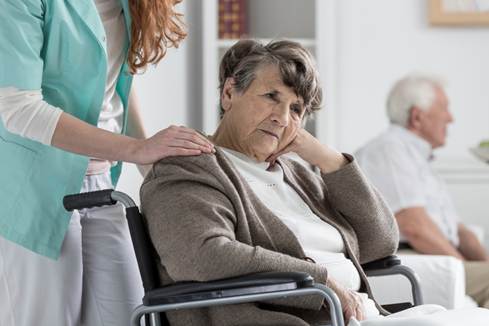
Knowing Who’s at Risk in New York’s Long-Term Care Facilities
Some nursing home residents face higher risk than others. In facilities across New York, including Rochester and Albany, many residents live with limited mobility, dementia, or difficulty speaking. These individuals often cannot explain what happened to them. That silence creates opportunity for abuse.
Residents at higher risk often include those who:
- Live with Alzheimer’s or other memory disorders
- Depend on others for bathing, toileting, or dressing
- Experience confusion or disorientation
- Have speech or communication limitations
- Receive few visits from family or advocates
Facilities with staffing shortages face added challenges. According to data published by the New York State Department of Health, staffing concerns remain one of the most reported problems in long-term care settings. When oversight breaks down, abuse becomes easier to hide.
Watching for Physical Indicators of Sexual Abuse
Physical warning signs often appear before anyone speaks up. These injuries may look accidental at first glance, but patterns matter. Families should never accept vague explanations, especially when injuries involve sensitive areas.
Watch closely for:
- Bruising or bleeding near the genital area
- Torn, stained, or missing undergarments
- Unexplained infections, including urinary tract infections
- Pain when sitting, standing, or walking
- Sudden pelvic or abdominal pain
If injuries appear during visits, document them. Take photos. Write down dates, staff names, and explanations given. New York law allows family members to request medical records and incident reports when concerns arise. Documentation protects both residents and families.
Identifying Behavioral and Emotional Red Flags
Not all abuse leaves visible marks. Emotional trauma often shows up through behavior changes, especially in residents who struggle to communicate. These changes may get mistaken for aging or illness, but sudden shifts deserve attention.
Common emotional warning signs include:
- Fear around specific caregivers
- Resistance to bathing or physical care
- Flinching when touched
- Withdrawal from social activities
- Sleep disruption or persistent agitation
Research published by the National Institute on Aging explains that trauma responses in older adults often appear as behavioral changes rather than verbal disclosure. When distress escalates quickly or feels out of character, trust your instincts and ask questions.
Tracking Changes in Staff Interaction and Resident Supervision
Sexual abuse rarely happens without warning signs in how a facility operates. Poor supervision, evasive answers, and restricted access can signal deeper problems. These red flags matter just as much as physical injuries.
Pay attention if you notice:
- Staff avoiding direct questions
- Sudden room or roommate changes
- Limits placed on visiting times
- Missing personal belongings
- Inconsistent care notes or explanations
Understaffing remains a serious issue in many New York nursing homes. When supervision drops, residents face higher risk. Families should treat transparency as non-negotiable.
Understanding Reporting Requirements and Mandated Laws in New York
New York law requires certain professionals to report suspected elder abuse. Mandated reporters include nurses, physicians, social workers, and nursing home administrators. When they fail to report, residents remain at risk.
Families can report concerns through:
- The New York State Elder Abuse Hotline at 1-844-697-3505
- The New York State Department of Health complaint system
- County Adult Protective Services offices
- Local law enforcement
Sexual abuse in a nursing home is a crime. It should receive the same response as abuse occurring anywhere else. Families do not need permission from a facility to report suspected harm.
Knowing What to Do If You Suspect Sexual Abuse
When something feels wrong, act quickly. Delay gives abuse time to continue and evidence time to disappear. Start by focusing on safety and documentation.
Key steps include:
- Document injuries, behaviors, and staff interactions
- Request an independent medical evaluation
- Report concerns to appropriate state or local agencies
- Ask for written incident and care reports
- Follow up consistently until action occurs
Families may also explore relocating a loved one. County adult services offices can explain emergency placement options within New York State.
Staying Involved and Visiting Nursing Homes Regularly
Consistent family involvement reduces risk. Residents who receive frequent visits face lower abuse rates because accountability increases. Staff behavior changes when families stay present.
Helpful habits include:
- Visiting at varied times
- Asking about daily routines
- Attending resident family council meetings
- Observing interactions with other residents
- Following up on unresolved concerns
Facilities across New York, including those in Queens and Schenectady, publish visitation policies publicly. Families should use those rights fully.
Recognizing the Pattern: Abuse Often Repeats
Abuse rarely happens once. Individuals who exploit vulnerable residents often repeat that behavior until stopped. When families speak up, they protect more than one person.
Patterns may include the same staff member, the same shift, or similar resident complaints. Keeping written records helps identify repetition and institutional liability.
Speak Up, Stay Aware, and Protect New York’s Seniors
Awareness saves lives. Families do not need proof before raising concerns. They need attention, documentation, and action. When something feels wrong, speak up.
Horn Wright, LLP, represents survivors of sexual abuse across New York State, including cases involving nursing home sexual abuse and other institutional settings. If you believe a loved one may be at risk, understanding your legal options can help protect them and others. Staying alert and informed remains one of the strongest tools families have.

What Sets Us Apart From The Rest?
Horn Wright, LLP is here to help you get the results you need with a team you can trust.
-
Client-Focused ApproachWe’re a client-centered, results-oriented firm. When you work with us, you can have confidence we’ll put your best interests at the forefront of your case – it’s that simple.
-
Creative & Innovative Solutions
No two cases are the same, and neither are their solutions. Our attorneys provide creative points of view to yield exemplary results.
-
Experienced Attorneys
We have a team of trusted and respected attorneys to ensure your case is matched with the best attorney possible.
-
Driven By Justice
The core of our legal practice is our commitment to obtaining justice for those who have been wronged and need a powerful voice.