


Reporting Nursing Home Sexual Abuse: A Step-by-Step Guide
Your Loved One Deserves Safety. Here's How You Can Help.
Discovering your loved one may have suffered sexual abuse in a New York nursing home is devastating. You're likely overwhelmed, unsure what to do, and worried about acting too late. That response is human. Abuse in long-term care deeply affects families. It’s traumatic, personal, and unacceptable.
At Horn Wright, LLP, our team supports families navigating nursing home sexual abuse claims. We’re familiar with how these cases unfold across New York, from private facilities in the Bronx to state-funded homes in upstate towns. If you’re ready to protect your loved one and demand accountability, we’re here to help.
Recognize the Warning Signs of Sexual Abuse in Nursing Homes
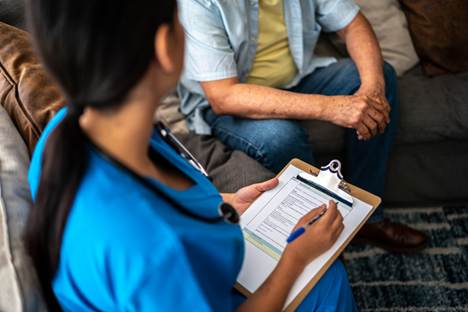
Sexual abuse in elder care isn’t always visible. Many victims struggle to communicate, especially if they have dementia or mobility challenges. Warning signs can appear slowly or seem unrelated to abuse at first. That’s why staying alert matters.
Signs may include:
- Unexplained bruises or bleeding around genital areas
- Panic or fear around a specific caregiver or roommate
- Torn undergarments or soiled bedding
- Withdrawn or agitated behavior
- Hesitation to allow physical contact
In cities like Rochester, or smaller communities such as Oneonta, families have noticed these red flags and pushed for investigations that later confirmed abuse. Keep a written record of anything that doesn’t feel right. You know your loved one best.
Ensure the Resident’s Immediate Safety
Your first move should always be protecting your loved one. If you suspect sexual abuse, speak directly to the nursing supervisor and request the resident be moved to a safer area. If there’s any resistance or immediate danger, call 911.
Facilities are required to separate alleged abusers from residents during investigations, but enforcement varies. If you're in Syracuse or a rural community like Delhi, emergency access may take longer. Still, don’t wait. If needed, you can transport the resident to a hospital for medical evaluation. That medical visit could provide essential documentation later.
Report the Abuse to Nursing Home Management
Every licensed nursing home in New York is legally required to investigate abuse complaints. After ensuring safety, notify the facility administrator. Be direct and document the conversation. Include names, times, and what they commit to doing.
Ask for:
- A written copy of any internal report
- The name and title of the staff member assigned to investigate
- A timeline for when you’ll receive follow-up
Even if you don’t trust the facility, this step is important. It creates a paper trail and pushes the administration to follow mandated procedures. In places like Schenectady or Staten Island, internal reports have later served as key evidence in state investigations and legal claims.
File a Formal Complaint with the New York State Department of Health
If the nursing home doesn’t act, or if you suspect a cover-up, go straight to the New York State Department of Health (DOH). They license and regulate nursing homes throughout the state.
You can report abuse by:
- Calling the Nursing Home Complaint Hotline at 1-888-201-4563
- Submitting details online via the DOH’s Health Commerce System
Include any photos, names, and dates in your submission. The DOH assigns a case number you can use to follow up. Whether you’re in Queens or Jamestown, the DOH is required to investigate valid complaints within a defined timeline.
Contact the New York State Long-Term Care Ombudsman Program
New York State’s Long-Term Care Ombudsman Program exists to protect residents in nursing homes and other adult care facilities. These trained advocates are independent, and they have the authority to mediate complaints with nursing home staff.
How to involve them:
- Call the ombudsman office serving your county
- Schedule a visit with your loved one present
- Ask for their presence in future care meetings
This can be especially helpful in places like Jefferson County, where local oversight may be limited. In contrast, in Westchester, ombudsmen often have closer working relationships with facilities. Their support can help cut through delays and resistance.
Involve Local Adult Protective Services (APS)
When a resident can’t protect themselves, Adult Protective Services can intervene. APS operates by county under the New York State Office of Children and Family Services, and they respond to abuse cases involving older adults who are physically or mentally impaired.
To start:
- Find your county’s APS contact from the official directory
- Provide details, documents, and your contact information
- Request confirmation of your report
In counties like Manhattan, APS can respond quickly. In more remote areas such as Lowville, expect longer timelines. APS can coordinate with the courts, arrange medical care, and assign guardianship in serious cases.
Report to Local Law Enforcement or District Attorney
Sexual abuse is a criminal offense under New York Penal Law. If you suspect criminal behavior, report it directly to your local police or sheriff’s office. Do not wait for nursing home approval or internal findings.
Your report should include:
- Resident’s name and condition
- Suspected abuser’s name, title, or shift schedule
- Timeline of events and injuries
- Any documents or witness names
Once a report is filed, you can follow up with your county’s District Attorney. Offices in Erie and Suffolk Counties have successfully pursued prosecutions in similar cases. These legal channels are key when a facility fails to remove dangerous staff or report abuse themselves.
Preserve All Evidence and Documentation
Start gathering evidence immediately. This isn’t just about lawsuits. You’ll need documentation to help APS, law enforcement, or the Department of Health take action.
What to collect:
- Medical reports and discharge summaries
- Photos of injuries, dated and labeled
- Copies of internal emails or notes from staff
- Witness statements, if available
- A daily log of observations and communication
Organize everything digitally or in a secure folder. Courts and state investigators in New York treat thorough documentation as a cornerstone of credible claims.
Understand the Legal Rights of Nursing Home Residents in New York
Residents in New York long-term care facilities are protected under Public Health Law Section 2803-c, which guarantees safety, dignity, and freedom from abuse. Federal law also grants rights under the Nursing Home Reform Act.
All residents have:
- The right to refuse or consent to care
- The right to privacy and respectful treatment
- The right to file grievances without retaliation
These rights don’t disappear with cognitive decline. Legal advocates in cities like Utica and Yonkers often help families enforce them.
Consider Seeking Civil Justice Through an Attorney
Civil lawsuits can help hold facilities accountable when abuse occurs. Attorneys experienced in sexual abuse litigation investigate the facility’s records, staff hiring history, and policies.
In a successful civil case, victims may recover damages for:
- Pain and suffering
- Medical costs related to the abuse
- Emotional trauma
- Relocation expenses
New York’s statute of limitations for these cases is generally three years, but time limits can be extended in cases involving mental incapacity. Legal options also exist for other types of institutional abuse, such as foster care settings or public schools.
Stay Involved in Ongoing Care
After reporting, your continued presence can make a major difference. Even subtle oversight from family members can improve care and help prevent future harm.
Stay involved by:
- Varying your visit times
- Communicating with staff about care plans
- Attending quarterly care meetings
- Monitoring hygiene, meals, and behavior patterns
During snow season, especially on roads like Route 17 or I-81, use video calls or request emailed health updates. Facilities must accommodate family involvement, even during travel restrictions or health lockdowns.
You Don’t Have to Handle This Alone
If you suspect sexual abuse in a New York nursing home, it’s time to act. These are serious violations, and your loved one deserves protection, support, and justice. At Horn Wright, LLP, we help families statewide hold long-term care facilities accountable. When you’re ready to speak with someone who understands how painful and urgent this is, we’ll be here to listen and help guide your next steps.

What Sets Us Apart From The Rest?
Horn Wright, LLP is here to help you get the results you need with a team you can trust.
-
Client-Focused ApproachWe’re a client-centered, results-oriented firm. When you work with us, you can have confidence we’ll put your best interests at the forefront of your case – it’s that simple.
-
Creative & Innovative Solutions
No two cases are the same, and neither are their solutions. Our attorneys provide creative points of view to yield exemplary results.
-
Experienced Attorneys
We have a team of trusted and respected attorneys to ensure your case is matched with the best attorney possible.
-
Driven By Justice
The core of our legal practice is our commitment to obtaining justice for those who have been wronged and need a powerful voice.