


Sexual Abuse by Fellow Residents: Facility Liability Explained
Protecting Loved Ones from Resident-on-Resident Harm in New York Facilities
When families place a loved one in a care facility, they expect that person to be safe, supervised, and treated with dignity. Sadly, some residents face sexual abuse not from staff, but from other residents. These cases are deeply upsetting, especially for families who trusted the facility to provide round-the-clock protection. Resident-on-resident abuse can happen in both small assisted living homes and large skilled nursing facilities across New York State.
At Horn Wright, LLP, our nursing home sexual abuse attorneys understand how devastating this kind of abuse can be. We’ve represented New York families who felt shocked, confused, and powerless after learning what happened to their loved one. We’re here to hold facilities accountable and pursue justice so your family can focus on healing.
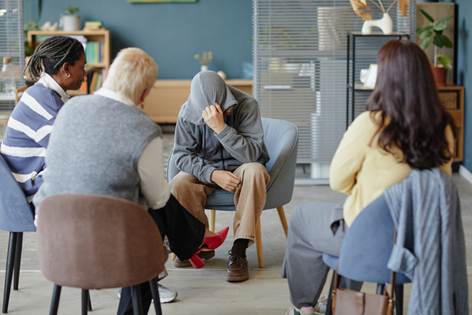
Understanding Peer-to-Peer Sexual Abuse in Care Facilities
Sexual abuse between residents, often called peer-to-peer abuse, is a serious and underreported issue. It happens when one resident engages in unwanted sexual behavior toward another, often someone with cognitive or physical impairments. These incidents cause emotional pain and violate basic human rights.
While staff-perpetrated abuse often gets media attention, abuse by fellow residents can slip under the radar. Victims may have difficulty speaking up, or staff may misinterpret their distress. Some victims live with memory loss or confusion. That makes it harder to recognize when something’s wrong.
In New York State, this form of abuse has occurred in a variety of settings, from elder care facilities in Albany to adult group homes in Buffalo. Every facility that houses vulnerable adults has a legal duty to prevent harm.
Where Abuse Happens: High-Risk Environments in New York Facilities
Sexual abuse between residents usually occurs in areas where supervision is low or absent. These high-risk environments often include:
- Shared bedrooms, especially when residents have mismatched needs or cognitive levels
- Public restrooms or showers without privacy safeguards
- Activity rooms during off-hours
- Hallways or stairwells with minimal monitoring
Facilities in New York, particularly in densely populated areas like Queens and the Bronx, often struggle with staff shortages. When caregivers are stretched too thin, they can’t provide the oversight residents need. This lack of attention creates opportunities for abuse.
Memory care units and psychiatric wings face particular challenges. Staff must monitor not only physical safety but also unpredictable behavior. Without consistent staff training and clear protocols, vulnerable residents stay at risk.
How Facilities Become Liable for Resident-on-Resident Abuse
Care facilities in New York can be held legally responsible when they fail to protect residents from sexual abuse. The key legal issue is negligence. A facility becomes liable when its inaction or poor management enables one resident to harm another.
Examples of negligent behavior include:
- Failing to assess residents’ behavioral risks during intake
- Ignoring staff reports about a resident’s aggressive or inappropriate behavior
- Inadequate staffing during nights and weekends
- Not separating residents who pose a known risk to others
Facilities aren’t excused just because another resident committed the abuse. When a facility fails to act on warning signs, it contributes directly to the harm. In legal terms, they breached their duty of care.
In New York, courts often examine whether a facility had a reasonable opportunity to prevent the abuse. If red flags existed and the facility did nothing, that strengthens the case for liability.
What New York Law Says About Facility Responsibility
New York law sets clear responsibilities for long-term care providers, covering facilities from large nursing homes in Rochester to adult care homes in Suffolk County. The New York State Department of Health enforces these rules under Title 18 of the NYCRR, requiring all facilities to take reasonable steps to protect residents, including safeguarding them from harm by others in the same facility.
Federal guidelines also apply. The Nursing Home Diversion Act requires any facility that accepts Medicare or Medicaid to provide an environment free from abuse or face penalties. These state and federal requirements form a protective structure, but that structure only works when facilities meet their obligations.
Recognizing Warning Signs of Resident Sexual Abuse
Families must stay alert to possible warning signs. Victims may not be able to speak up, especially if they live with dementia or speech disorders. Physical evidence may not always appear immediately. That makes observation and intuition incredibly important.
Look for changes like:
- Unexplained bruises, especially near private areas
- New fear of specific people or places in the facility
- Sudden withdrawal or refusal to attend group activities
- Changes in hygiene habits or soiled clothing
- Sleep disturbances or increased agitation at night
- Avoidance of staff or other residents
Don’t ignore gut feelings. If something feels wrong, it probably is. Families in New York should document concerns and raise them directly with the facility administrator. In many cases, these early reports can prevent further harm.
Why Reporting Abuse Matters, and How to Do It in New York
Reporting suspected abuse is an essential first step. In New York, families have several paths to take when raising concerns.
Start with the facility administrator. File a written complaint and ask for a formal investigation. Always request a copy of the facility’s incident report.
Next, report the abuse to one or more of the following:
- Adult Protective Services (APS): Each county in New York operates APS under the Office of Children and Family Services
- Long-Term Care Ombudsman Program: Offers free, confidential advocacy for residents across New York
- Local law enforcement: Especially if the victim is in immediate danger or if there’s physical evidence of assault
When possible, gather records, photographs, and witness statements. These details can support both administrative complaints and future legal action.
How Legal Action Can Hold Facilities Accountable
Filing a lawsuit can help families get answers and compensation, but it also forces facilities to improve. Legal claims send a strong message that failing to protect residents has consequences.
In civil court, attorneys can pursue damages for physical injuries, emotional trauma, and the cost of future care. In New York, these cases often involve:
- Depositions of facility staff
- Review of medical records and resident logs
- Analysis of surveillance footage
- Examination of previous complaints or state violations
Litigation helps uncover how the abuse happened and why the facility didn’t stop it. For many families, that transparency provides closure, especially when it involves claims tied to institutional liability for sexual abuse.
Facility Failures That Often Lead to Abuse
When a facility fails, the signs are usually there long before an assault occurs. These failures often include poor communication, loose policies, or an unwillingness to confront serious issues.
Some examples of how facilities fail to prevent abuse:
- Ignoring prior behavioral incidents involving a resident
- Failing to supervise high-risk individuals
- Admitting residents with violent histories without safeguards
- Skipping required staff training
- Dismissing concerns raised by staff or families
- Not separating residents with incompatible conditions
These aren’t isolated mistakes. They reflect a larger culture of neglect or denial. In New York, where facility oversight is already strained, small failures can lead to devastating consequences. Families can benefit from understanding why some victims delay reporting, especially in cases shaped by institutional pressure and trauma.
What to Ask When Choosing a Facility
Families choosing a care facility should ask pointed questions. Don’t settle for vague answers. The safety of your loved one depends on the facility’s culture, staffing, and transparency.
Ask:
- What’s the staff-to-resident ratio during day and night shifts?
- How do you screen new residents for behavioral concerns?
- How do you prevent sexual abuse between residents?
- Can you show recent inspection reports or complaints?
- What training do staff receive about resident safety?
- How often are resident care plans updated?
Visit more than one facility, whether you’re in Staten Island, Ithaca, or anywhere in between. Listen closely to staff responses. Look for signs of engagement, order, and care.
Your Rights and Your Loved One’s Safety Come First
Every resident in a New York facility deserves safety, dignity, and protection. When a facility fails in its responsibility, families have the right to speak up and take action. Sexual abuse by fellow residents reflects a systemic failure that needs to be addressed.
Knowing the signs, asking the right questions, and reporting concerns early can make a real difference. No one should live in fear inside a care facility. Not in New York. Not anywhere.
Talk to a New York Nursing Home Abuse Lawyer Today
At Horn Wright, LLP, we help families across New York State hold negligent facilities accountable. If your loved one experienced sexual abuse by another resident, we’ll work with you to understand what went wrong and take legal action. Our attorneys know the law, know the system, and know how to fight for justice. Let us take that weight off your shoulders.

What Sets Us Apart From The Rest?
Horn Wright, LLP is here to help you get the results you need with a team you can trust.
-
Client-Focused ApproachWe’re a client-centered, results-oriented firm. When you work with us, you can have confidence we’ll put your best interests at the forefront of your case – it’s that simple.
-
Creative & Innovative Solutions
No two cases are the same, and neither are their solutions. Our attorneys provide creative points of view to yield exemplary results.
-
Experienced Attorneys
We have a team of trusted and respected attorneys to ensure your case is matched with the best attorney possible.
-
Driven By Justice
The core of our legal practice is our commitment to obtaining justice for those who have been wronged and need a powerful voice.