


Why Nursing Home Sexual Abuse Often Goes Unreported
How Silence and Systemic Failures Put Elderly New Yorkers at Risk
After an assault in a nursing home, many survivors feel voiceless. They may carry the trauma in silence, fearing no one will believe them or help them. Families often find out far too late, when the damage has already taken a deep emotional and physical toll. In New York State, where thousands of older adults live in care facilities, these cases are far more frequent than most people realize.
At Horn Wright, LLP, our nursing home sexual abuse attorneys understand the weight families carry when a loved one is harmed. We’ve worked with families across New York to uncover what really happened inside care facilities. If someone you love has been affected by abuse in a New York nursing home, we can help you pursue the truth and hold the facility accountable.
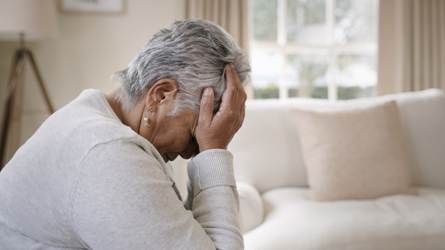
Victims Feel Trapped Inside New York Nursing Homes
Nursing homes should offer safety, but for some residents in New York, they become places of fear. Many residents live with limited mobility or medical conditions that keep them in their rooms for most of the day. Facilities in Albany, Long Island, and surrounding counties often serve residents who rely completely on caregivers for help eating, bathing, and moving. That reliance creates a dangerous power imbalance.
When a staff member or fellow resident becomes abusive, victims may feel like there’s no way out. They can’t leave. They don’t have access to transportation or cell phones. In some homes, staff discourage outside contact, making it harder for victims to speak freely with family members. Many survivors stay silent because they fear retaliation. They’re scared they’ll lose access to basic care, be moved to an unfamiliar ward, or be punished in subtle ways.
Cognitive Decline Silences Many Elderly Survivors
Memory issues affect many residents in nursing homes across New York State. In places like Syracuse or Yonkers, memory care wings are part of most long-term facilities. These spaces often house patients with dementia or Alzheimer’s. While the staff is supposed to offer protection, many survivors in these wards struggle to express what happened to them.
A resident with advanced cognitive decline may:
- Forget the event in detail but remember feelings of fear
- Struggle to recognize their abuser
- Get dismissed by staff as “confused” when they try to speak out
This makes reporting nearly impossible. Even when families sense that something is wrong, it’s difficult to find clear evidence. The trauma is real, and the system fails to acknowledge it because the victim cannot follow a timeline or name names. For many survivors, their condition becomes a shield that protects the abuser.
Abusers Use Threats to Silence Victims
Some nursing home residents in New York are targeted by predators who know exactly how to keep them quiet. Abusers may be caregivers, aides, or other residents. They often use threats, manipulation, or psychological control to maintain power. The victim might hear things like, “No one will believe you,” or “Say anything and I won’t help you anymore.”
In cities like Rochester or Buffalo, reports have shown a troubling pattern of intimidation following assaults. Some victims have been threatened with isolation or removal from group activities. Others have been told they imagined what happened. These tactics work. Many survivors give up trying to tell someone because they feel cornered.
Staff Misinterpret or Dismiss the Warning Signs
In nursing homes across New York, staff are expected to monitor residents’ health and behavior daily. In reality, many facilities operate with too few trained professionals. Understaffing leads to mistakes, and sometimes, willful ignorance.
A staff member might see a bruise on a resident’s arm and blame it on a fall. Sudden changes in behavior, like refusing to be touched or avoiding certain caregivers, often go ignored. Residents who act fearful or withdrawn are labeled as “difficult.”
In some cases, the abuse is reported internally but never escalated. Supervisors may choose to protect the facility’s image or avoid liability. When staff look the other way, they allow the abuse to continue unchecked.
Families Don’t Know What to Look For
Family involvement plays a critical role in stopping abuse, but many loved ones don’t know what to watch for. This is especially true when families live far from the nursing home, which is common in rural areas of New York like the Catskills or the North Country.
Warning signs of sexual abuse can be subtle:
- Sudden fear of a specific caregiver
- Torn or stained clothing
- Pelvic injuries or unexplained bleeding
- Depression or withdrawal
Some families only visit once every few weeks. During short visits, they may not notice anything wrong. Even when they suspect something is off, they might hesitate to ask difficult questions. That delay can give abusers more time to harm the resident again.
Reporting Systems Fail New York’s Elderly
New York State has procedures in place to report nursing home abuse. In theory, residents and families can file complaints with the New York State Department of Health or contact a long-term care ombudsman. In practice, these systems often move slowly.
Ombudsman offices are underfunded. Facilities sometimes delay reporting internally. State investigations can take months to complete. In that time, the resident remains in the same facility, often under the same care. Some survivors never see action taken at all.
This lack of accountability discourages others from reporting. If the system doesn’t protect them, they won’t speak up. That silence allows abuse to continue in facilities across the state.
Cultural Shame Keeps Abuse in the Dark
New York is one of the most culturally diverse states in the country. Many elderly residents in nursing homes come from immigrant families or traditional backgrounds where sexual topics are taboo. In boroughs like Queens or neighborhoods in the Bronx, this shame runs deep.
Survivors may avoid speaking up out of embarrassment. Some feel they brought shame to their family. Others fear being judged or not taken seriously because of cultural or religious norms. Language barriers make things harder. If a resident speaks limited English, they may struggle to communicate the abuse or even find someone who understands.
Facilities sometimes lack translators or cultural liaisons. Without someone to bridge that gap, residents stay quiet.
Facilities Cover Up Incidents to Protect Their Image
Some nursing homes in New York prioritize their public image over resident safety. When abuse allegations surface, these facilities may try to bury the claims. They might alter records, discourage staff from talking, or conduct superficial investigations that clear the accused.
In some reported cases, homes failed to inform family members of incidents. Others pressured staff to sign nondisclosure agreements or move alleged abusers to different floors without consequence. These actions prevent justice and signal to staff that the behavior will be tolerated.
Families and survivors lose faith in the system. The message becomes clear. The facility will protect itself before it protects its residents.
Survivors Fear No One Will Believe Them
One of the most painful reasons abuse goes unreported is that many survivors believe no one will take them seriously. This fear grows when they’ve been ignored before. A resident might have reported rough handling or neglect in the past and received no support. When something more serious happens, they assume the response will be the same.
This is especially damaging in facilities where staff treat elderly residents as forgetful or mentally unstable. That attitude chips away at a resident’s confidence. Over time, they internalize the idea that their voice doesn’t matter. So they stay quiet.
Belief is powerful. When survivors think their truth won’t be heard, they give up before they even try. These psychological barriers are deeply rooted, and breaking them requires ongoing support and trust-building.
New Yorkers Deserve Better Nursing Home Oversight
Every resident in a New York nursing home deserves to live with dignity and safety. The silence surrounding sexual abuse isn’t just heartbreaking. It’s preventable. Families must remain alert, ask tough questions, and act quickly when something feels wrong. Oversight agencies need proper funding, and facilities must be held to higher standards.
No one should suffer in silence. By shining a light on these failures, New Yorkers can help protect the people who once protected them. Sexual abuse in institutional settings is not rare, and the consequences are severe.
Talk to a Sexual Abuse Attorney Serving Elder Care Victims
Horn Wright, LLP, represents victims and families across New York State who have experienced nursing home abuse. Our legal team investigates suspicious injuries, gathers evidence, and pursues justice for those who can’t speak up for themselves. If you suspect a loved one has been harmed in a nursing facility, don’t wait. Contact us for a confidential consultation today. We’re here to help your family take that first step toward healing and accountability.

What Sets Us Apart From The Rest?
Horn Wright, LLP is here to help you get the results you need with a team you can trust.
-
Client-Focused ApproachWe’re a client-centered, results-oriented firm. When you work with us, you can have confidence we’ll put your best interests at the forefront of your case – it’s that simple.
-
Creative & Innovative Solutions
No two cases are the same, and neither are their solutions. Our attorneys provide creative points of view to yield exemplary results.
-
Experienced Attorneys
We have a team of trusted and respected attorneys to ensure your case is matched with the best attorney possible.
-
Driven By Justice
The core of our legal practice is our commitment to obtaining justice for those who have been wronged and need a powerful voice.