


Baton or Flashlight Strikes in the Bronx: Common Injury Patterns
Recognizing Physical and Emotional Injuries Caused by Impact Weapons
In the Bronx, interactions with law enforcement can sometimes turn physical, leaving people hurt and overwhelmed. Baton and flashlight strikes, when used by officers during arrests, crowd control, or stop-and-frisks, can cause painful injuries that affect someone’s health, job, and peace of mind. For those living in neighborhoods like Soundview, Highbridge, or Wakefield, these injuries happen fast in chaotic situations and leave lasting damage.
Trusted Bronx excessive force lawyers recognize the legal and personal toll of these incidents. If you or someone you care about was struck with a baton or flashlight by an officer in the Bronx, we’re here to help you understand your rights and seek justice.
How Officers Use Batons and Flashlights as Impact Weapons
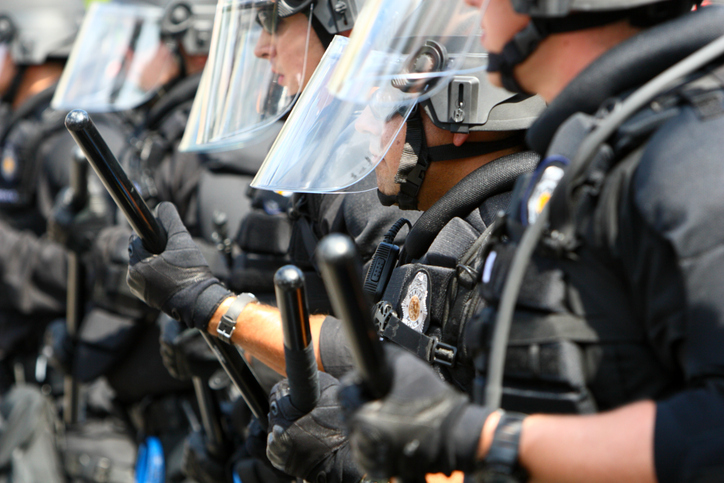
Officers in the Bronx carry batons and heavy-duty flashlights for a reason, they’re trained to use them in high-stress situations. While the NYPD outlines specific rules for how and when to use force, real-world encounters don’t always follow policy. In crowded areas like Fordham Road or East 138th Street, a quick escalation can lead to serious injury within seconds.
Batons and flashlights function as blunt force tools. Officers swing them to strike large muscle groups, disarm someone, or force compliance. A standard technique involves targeting legs, arms, or the back with one-handed or two-handed strikes. The NYPD claims these weapons help avoid worse outcomes. But when used improperly or too forcefully, they often do the opposite.
During protests or tense street encounters, officers may raise their batons quickly, aiming toward shoulders or ribs. Flashlights, while not designed as weapons, are sometimes used that way. A hard swing with a metal flashlight can cause deep bruising or fractures just as easily as a baton can.
Blunt Force Trauma: The Most Common Injury Type
Most baton or flashlight injuries start with blunt force trauma. This means the tissue beneath the skin, muscle, fat, or bone, takes a direct hit. On busy sidewalks in places like Fordham Plaza or near the 149th Street subway hub, these strikes can happen during fast-moving confrontations.
Common results of blunt force trauma include:
- Large bruises on thighs, upper arms, or torso
- Swollen joints, especially knees and elbows
- Cracked or fractured bones, often in the ribs or wrists
- Torn ligaments from reflexive defense movements
These injuries limit motion and mobility. For someone who works on their feet or uses public transit daily, even small fractures can mean weeks of downtime. Pain from deep tissue bruising might not show right away. Sometimes, swelling or limited range of motion kicks in hours later, catching people off guard. In the Bronx’s tight corners and stair-filled subway stations, even walking can become difficult.
Head and Facial Injuries: Serious Risks in Close Encounters
When a baton or flashlight connects with the head or face, the injuries quickly move from painful to dangerous. These types of blows often occur during physical takedowns or if someone raises their arms to block a strike and the weapon glances upward.
In neighborhoods like Morris Heights or along Pelham Parkway, where sidewalks crowd quickly, head-level strikes happen when people don’t have room to move. There’s no space to duck or shift away. Facial injuries in these settings are often severe:
- Concussions or brain trauma
- Broken noses, orbital fractures, or jaw dislocations
- Cuts requiring stitches, especially around the eyes or forehead
- Dental injuries from falls or direct strikes to the mouth
Even a single hit to the head can cause dizziness, nausea, or blurry vision. Some people don’t realize they’ve suffered a concussion until hours later. When head injuries stack up with emotional shock, people may feel confused or disoriented, making it harder to get immediate medical help.
Internal Injuries: Hidden Damage That Can Turn Dangerous
Not every injury shows up right away. Blows to the back, side, or abdomen might seem minor at first, but they can damage internal organs. In many baton strike cases, the real danger begins after the adrenaline wears off.
The Bronx sees a lot of cases like this, especially after arrests near areas like the Grand Concourse or in parks where visibility is limited. Internal injuries don’t always cause pain at the site of impact. Instead, people might feel weak, short of breath, or sick to their stomach without knowing why.
These hidden injuries can include:
- Bruising to the spleen or liver
- Kidney trauma with blood in the urine
- Internal bleeding that leads to low blood pressure or fainting
People injured in this way often end up at places like Lincoln Hospital or NYC Health + Hospitals/Jacobi. But delays in getting care can lead to more serious outcomes. It’s easy to think, "I’m just sore," and wait it out. Unfortunately, with internal bleeding, waiting can make things worse.
Emotional Trauma and Psychological Fallout
Physical injuries heal, but the emotional impact of being struck by police often lasts longer. For many Bronx residents, especially those in areas like Hunts Point or Soundview, the sight of flashing lights or hearing sirens triggers deep stress.
The body remembers trauma. People hit with a baton or flashlight may feel:
- Constant anxiety, especially in public spaces
- Insomnia or nightmares
- Sudden fear when approached by uniformed officers
- Feelings of isolation or shame
This emotional pain is often invisible. Friends or coworkers might not understand why someone becomes jumpy or withdrawn. Even when the bruises fade, trust in law enforcement may never return. That’s especially true for communities that already feel watched or over-policed.
Mental health care options in the Bronx vary, and access isn’t always simple. Some try to power through. Others don’t know where to turn. Without support, untreated trauma can lead to long-term psychological effects that shape every part of a person’s life.
Long-Term Consequences: Physical and Legal
Baton and flashlight injuries often create a ripple effect that touches every part of someone’s day-to-day routine. From taking care of family to holding down a job, injuries can interrupt life in lasting ways.
Take someone who gets struck in the knee during an arrest near University Heights. They might:
- Miss work due to pain or limited mobility
- Struggle with subway steps or uneven sidewalks
- Spend months in physical therapy
- Face medical bills that insurance doesn’t fully cover
In some cases, injuries lead to permanent disability. That makes it harder to work or care for loved ones. Legal consequences also play a role. A person injured during an arrest may still face charges, even if the force used against them was excessive. That adds more pressure to an already painful situation. Understanding your options when faced with excessive force charges can make a difference.
Documentation and Reporting: What to Do After a Baton or Flashlight Strike
After any police-related injury, documentation becomes one of the most important steps. Without it, it’s hard to build a case, seek compensation, or get accountability. In the Bronx, where tensions can run high, injured residents need clear steps they can follow under stress.
Here’s what we recommend:
- Get medical care right away at a local ER, even if the injury seems minor.
- Ask for copies of all X-rays, treatment notes, and discharge papers.
- Take photos of visible injuries daily as they change.
- Write down everything you remember, names, badge numbers, and street locations.
- File a complaint with the Civilian Complaint Review Board, especially if excessive force was used.
Time matters. Evidence fades, bruises heal, and memories blur. The sooner someone acts, the better chance they have of protecting their rights and telling their story accurately.
Know the Signs, Protect Your Rights
Being struck with a baton or flashlight by police is traumatic. It leaves physical marks, emotional pain, and life disruptions that can linger long after the moment ends. For residents of the Bronx, knowing how these injuries happen and what to do afterward can make a big difference. Whether it’s seeking medical care, reporting the incident, or asking for legal guidance, each step helps protect your future.
You can connect with Horn Wright, LLP, if you need guidance after an incident involving force by law enforcement. Our team is ready to listen and help you take action.

What Sets Us Apart From The Rest?
Horn Wright, LLP is here to help you get the results you need with a team you can trust.
-
Client-Focused ApproachWe’re a client-centered, results-oriented firm. When you work with us, you can have confidence we’ll put your best interests at the forefront of your case – it’s that simple.
-
Creative & Innovative Solutions
No two cases are the same, and neither are their solutions. Our attorneys provide creative points of view to yield exemplary results.
-
Experienced Attorneys
We have a team of trusted and respected attorneys to ensure your case is matched with the best attorney possible.
-
Driven By Justice
The core of our legal practice is our commitment to obtaining justice for those who have been wronged and need a powerful voice.