


Excessive Force During a Traffic Stop in the Bronx
What Bronx Drivers Need to Know About Their Rights
Getting pulled over can feel nerve-wracking. But when a routine stop turns violent, that fear becomes something else entirely. Some people in the Bronx have experienced traffic stops that ended with injuries, threats, or unjust arrests. If that sounds familiar, you’re not alone. Police officers must follow strict limits when using force, but those lines get crossed more often than many realize.
At Horn Wright, LLP, our Bronx excessive force attorneys stand up for residents who’ve suffered harm at the hands of law enforcement. We understand how emotionally charged and legally complex these cases can be. Our team helps people hold officers accountable for going too far, whether they slammed someone against a car for asking questions or used a Taser on someone who posed no threat. If you've been through something like that, we’re here to listen.
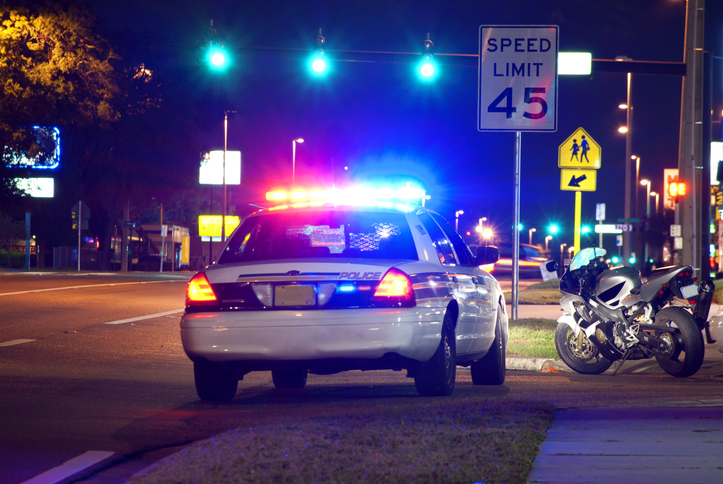
Recognize Excessive Force in a Bronx Traffic Stop
Excessive force means an officer used more physical power than the law allows. During traffic stops, it can happen fast. Maybe you reached for your license, and suddenly you’re being pulled from the car. Maybe you asked why you were stopped, and that turned into a shove or worse. It doesn’t take much for a tense moment to become a traumatic one.
Under both federal and New York law, police may only use the amount of force needed to control a situation, nothing more. That line gets crossed when they keep using force after someone complies, or when they escalate instead of calming things down.
You might see it happen on the Cross Bronx Expressway or at an intersection near Southern Boulevard. Some officers escalate interactions in neighborhoods already under heavy surveillance, like Fordham or Mott Haven, where over-policing can make routine stops feel threatening from the start.
Examples include:
- Grabbing or yanking drivers from vehicles without reason
- Using handcuffs aggressively before explaining why
- Striking or pushing without provocation
- Pulling a gun when no threat exists
These aggressive behaviors are legal violations.
Understand Your Rights During a Bronx Police Encounter
You don’t have to be a lawyer to protect yourself during a traffic stop. Knowing your rights helps level the playing field. In New York, drivers and passengers have clear constitutional protections. If officers ignore those boundaries, they could open themselves up to civil liability.
Here’s what you need to remember:
- You have the right to remain silent.
- You don’t have to consent to a vehicle search.
- You can ask if you're free to leave.
- You have the right to record police in public spaces.
Those rights apply whether you’re stopped near Yankee Stadium or pulled over by the Bronx Zoo. Officers may try to intimidate or pressure you, especially late at night or in isolated areas, but they still must follow the law.
While New York Civil Rights Law §50-a once shielded police misconduct records, its repeal in 2020 opened new pathways for accountability. That matters here in the Bronx, where residents deserve transparency when their rights are violated.
Spot Warning Signs of Police Misconduct
Police brutality rarely starts with the loudest act. It often builds through small signs of abuse that many people overlook in the moment. If you’ve been stopped in the Bronx and something felt wrong, trust that feeling.
Key warning signs include:
- Unprovoked physical contact
- Use of force after compliance
- Verbal threats or racial slurs
- Officers disabling body or dash cameras
- Being denied medical help after injury
Maybe you were pulled over near Hunts Point late at night and noticed an officer turn off their camera. Or maybe you were told to step out of your car without explanation and ended up with bruises you still can't explain. These are signs that your rights might have been violated.
In some cases, officers exaggerate the danger to justify force. They might falsely claim someone reached for a weapon or resisted arrest. That’s why documenting everything matters.
Take Immediate Steps After an Excessive Force Incident
If you experienced violence during a traffic stop, your next steps matter. You may feel shaken, embarrassed, or unsure about what to do. That’s normal. But quick action can make a difference.
Here’s what you should do:
- Get medical attention right away, even if your injuries seem minor.
- Write down everything you remember, what was said, done, and where it happened.
- Take photos of visible injuries, clothing damage, or your vehicle.
- Gather contact info from any witnesses.
- Save any video captured on your phone or from bystanders.
- File a formal complaint with the Civilian Complaint Review Board (CCRB) or visit the local NYPD precinct.
If your stop happened near Grand Concourse or Pelham Parkway, check for nearby security cameras. Local businesses often have footage that could support your case.
Know How Evidence Can Support a Bronx Civil Rights Claim
Solid evidence builds strong civil rights claims. In Bronx cases involving excessive force, proof often turns on what can be documented. That includes physical injuries, official records, and video.
Key forms of evidence include:
- Police body cam or dash cam footage
- Cell phone videos from you or witnesses
- Eyewitness statements
- Medical records from BronxCare or NYC Health + Hospitals/Jacobi
- 911 call transcripts
Officers might claim their actions were necessary, but video can tell a different story. Witnesses can confirm whether you resisted or cooperated. Hospital records back up the physical toll.
Be proactive. Try to request footage through a Freedom of Information Law (FOIL) request. The longer you wait, the greater the risk that data gets erased, lost, or edited. Bronx residents who act early put themselves in a stronger position.
Learn How Bronx Civil Rights Laws Apply to Police Brutality Cases
When police violate your rights, you may have legal grounds to sue. Several laws protect you from unlawful force, and each plays a role depending on the details of your case.
Most cases involving excessive force during a traffic stop fall under 42 U.S. Code §1983, a federal law that allows you to sue public officials who violate your constitutional rights. That includes NYPD officers who used force without justification.
New York state law also provides avenues for civil claims. Courts have increasingly sided with victims in cases where officers acted with disregard for safety or failed to de-escalate situations.
Some recent Bronx court decisions reflect a growing awareness of police overreach, especially in over-policed neighborhoods. Local prosecutors may decline to bring charges against officers, but a civil lawsuit operates independently of criminal proceedings.
NYC reforms have helped improve transparency, but meaningful change still depends on residents pushing back when their rights are violated.
Decide Whether to Pursue a Lawsuit Against the NYPD
Suing the NYPD or individual officers can feel overwhelming. But it’s a legal path many Bronx residents have taken to seek justice and accountability.
Before you file a lawsuit, you must submit a Notice of Claim within 90 days of the incident. This legal document alerts the city to your intent to sue. You can file it at the Bronx City Clerk's office or online through the NYC Comptroller’s site.
Next, your legal team will investigate the case, collect evidence, and file the official complaint. Depending on the outcome, you could receive financial compensation for:
- Medical costs
- Lost income
- Pain and suffering
- Emotional distress
In some cases, lawsuits also lead to changes in police conduct, training, or oversight. Holding officers accountable can protect others from going through the same harm.
Choose the Right Legal Support in the Bronx
These cases are personal. They require attorneys who understand the Bronx, its law, and the streets, the precincts, and the courtroom dynamics that shape every civil rights claim.
An experienced Bronx civil rights lawyer knows how the NYPD operates locally. They know what questions to ask, how to dig into officer history, and how to handle pressure from the city’s legal teams.
Legal teams familiar with the Bronx Supreme Court and local agencies can move quickly and strategically. They also understand how exhausting this process feels. The right attorney helps take that stress off your shoulders.
Look for someone who listens closely, follows up promptly, and knows how to build a strong claim under both state and federal law.
Stand Up for Your Rights After a Bronx Traffic Stop
You shouldn’t leave a traffic stop in pain. You shouldn’t be silenced, ignored, or treated like you don’t matter. In the Bronx, too many drivers experience fear when they should feel protected. But you can take action.
At Horn Wright, LLP, we help Bronx residents hold law enforcement accountable. Our attorneys handle excessive force cases with care, urgency, and a focus on justice. If a traffic stop led to injuries or mistreatment, contact us to explore your legal options and fight for the dignity you deserve.

What Sets Us Apart From The Rest?
Horn Wright, LLP is here to help you get the results you need with a team you can trust.
-
Client-Focused ApproachWe’re a client-centered, results-oriented firm. When you work with us, you can have confidence we’ll put your best interests at the forefront of your case – it’s that simple.
-
Creative & Innovative Solutions
No two cases are the same, and neither are their solutions. Our attorneys provide creative points of view to yield exemplary results.
-
Experienced Attorneys
We have a team of trusted and respected attorneys to ensure your case is matched with the best attorney possible.
-
Driven By Justice
The core of our legal practice is our commitment to obtaining justice for those who have been wronged and need a powerful voice.