


Failure-to-Provide Medical Care After Force: When It Becomes a Claim
Your Rights When You’re Hurt in Custody
If you're hurt during a police encounter, officers don’t just have a duty to stop using force. They also have a responsibility to get you help.
When that doesn’t happen, and the delay or refusal causes further harm, it may violate your civil rights. Denial of medical care after excessive force is not just poor judgment. In many cases, it becomes a federal claim.
At Horn Wright, LLP, we’ve worked with individuals across New York State who were seriously injured and then ignored. If you’re in the city, and officers failed to get you medical help after using force, our trusted Bronx civil rights attorneys can take on the fight for accountability.
You should never be left bleeding, gasping for air, or in pain while handcuffed. That’s unconstitutional.
When Police Must Provide Medical Care
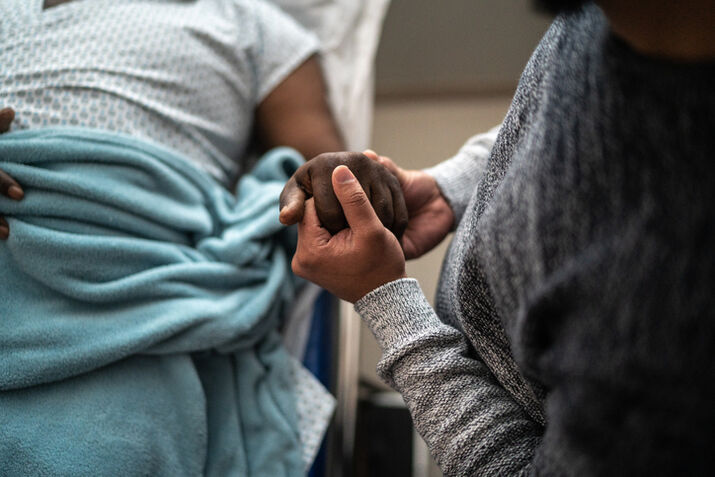
Under federal law, police officers must arrange for medical help when a person in custody shows signs of serious injury or distress. This includes visible wounds, reported pain, or signs of a medical emergency like unconsciousness or difficulty breathing.
That obligation starts the moment the officer sees or should see that help is needed. It continues through transport, booking, and even into jail. It doesn’t matter whether the injury came from use of force, self-harm, or another detainee. If the officer becomes aware of the need and does nothing, they may be liable.
A delay of even a few minutes can make an injury worse. Officers don’t need to diagnose the issue, but they do need to call EMS or take basic action. Walking away, ignoring calls for help, or assuming someone is faking it can all give rise to legal action.
Federal Legal Protections: Section 1983 and the Constitution
Claims involving denial of medical care fall under 42 U.S.C. Section 1983, the same federal law used in many civil rights lawsuits. Depending on when the injury happened, the constitutional basis may differ:
- Fourth Amendment for arrestees
- Fourteenth Amendment for pretrial detainees
In both cases, the standard is deliberate indifference. That means the officer knew or should have known the person needed help and deliberately ignored the risk.
Deliberate indifference doesn’t require proof that the officer wanted harm to occur. It focuses on what the officer observed, what they chose not to do, and how much harm resulted. In New York federal courts, this standard is well established and used in both excessive force and denial-of-care cases.
When Inaction Crosses the Legal Line
Not every delay or mistake leads to a lawsuit. But when the signs of injury are clear, and the officer refuses to act, the behavior may become a constitutional violation. Some examples include:
- Officers use force during an arrest, see the person bleeding, and walk away
- Someone is slammed to the ground, can’t stand up, and is mocked instead of helped
- A handcuffed person says they can’t breathe, and no one checks on them
What matters most is whether a reasonable officer in the same situation would have known help was needed. The more obvious the symptoms, the stronger the claim.
This is especially relevant in high-volume policing areas in New York like the Bronx, where fast-paced arrests often create dangerous conditions. A delay in care, whether at a precinct, in a squad car, or at Rikers Island, can quickly turn a minor injury into a lasting health crisis.
Bronx-Based Examples of Denial of Medical Care
In the Bronx, we’ve seen these patterns show up in very specific ways:
- Protesters in Mott Haven arrested during crowd control and left without aid for hours
- Individuals tackled in Fordham Plaza, left with fractured ribs or facial injuries
- NYCHA residents injured during raids, denied EMS while officers complete searches
- Detainees on Rikers Island reporting medical complaints that go ignored
These are not rare outliers. Public reports and complaints submitted to the Civilian Complaint Review Board and other watchdog agencies have shown a pattern of neglect following use-of-force incidents in certain neighborhoods.
The moment someone is no longer resisting or poses no threat, officers must switch from enforcement to care. That shift doesn’t always happen. When it doesn’t, the law may view it as a serious failure of duty.
Types of Injuries That Support These Claims
Certain injuries create a stronger legal basis for a denial-of-care claim. While any condition can support a case if the response was clearly unreasonable, these injuries raise immediate red flags:
- Deep cuts or bleeding that continues without treatment
- Broken bones, especially if caused by force
- Head injuries or loss of consciousness
- Breathing issues, particularly after neck restraint or being held prone
- Seizures or collapse
- Mental health crises requiring urgent evaluation
Documentation is key. Even if help eventually came, delays that worsened the condition or added unnecessary pain can become part of the lawsuit.
What Evidence Helps Prove Inaction
Failure-to-provide-care cases rely on showing what officers knew and what they did or didn’t do. Strong evidence can come from multiple sources:
- Body camera footage that shows the injury and the officer’s response
- Civilian video captured by witnesses
- Radio or dispatch logs that show no EMS call was made
- Jail intake records showing delayed or missing treatment
- Statements from others who saw the injury and heard pleas for help
- Medical records with timestamps that reveal how long it took to get aid
You can also submit a FOIL request to get public records, including NYPD or EMS reports. The sooner you gather this documentation, the better your chances of holding the officers accountable.
How Courts Analyze Deliberate Indifference
New York courts apply a consistent test for deliberate indifference. Judges ask:
- Was the person in custody or control of police?
- Did the officer know, or should they have known, about a serious medical need?
- Did they ignore it, delay care, or fail to respond reasonably?
The law does not expect officers to act like doctors. But it does expect them to take visible injuries seriously. This includes calling EMS, transporting the person to a hospital, or telling a supervisor.
Even short delays can support a claim if they resulted in increased harm. A two-hour wait with a broken bone, or several minutes of gasping for air while cuffed, can meet the legal threshold for a violation.
How Medical Care Claims Fit Into Civil Rights Lawsuits
Denial-of-care claims don’t always stand alone. Often, they appear with other civil rights violations, such as:
- Excessive force
- False arrest
- Failure to intervene
Together, these claims show the full scope of what happened. For example, an officer uses unnecessary force during an arrest, and then another officer ignores the injury. Each act creates its own legal consequences.
At Horn Wright, LLP, we examine every detail. We often find that one officer’s inaction is just as damaging as another’s violence. Both may violate your constitutional rights. And both may be part of a broader case.
What You Should Do If This Happened to You
If you were denied medical care after being hurt by police, act quickly. Delays can make it harder to prove what happened. Here are key steps to take:
- Get treated and keep all medical records
- Write down everything you remember, including what officers said
- Save photos of your injuries
- File a CCRB complaint if NYPD officers were involved
- Request relevant records through FOIL
- Speak with a civil rights attorney as soon as possible
If the case involves NYPD or another city agency, you may need to file a Notice of Claim within 90 days. That’s the first step before suing the city or its employees in court.
No One in Custody Should Be Left to Suffer
Getting arrested should never mean being denied medical care. Police officers have a duty to act when someone is clearly hurt. That responsibility doesn’t pause because someone is handcuffed or accused of a crime.
If you were injured and then ignored, you’re not alone and you’re not powerless. At Horn Wright, LLP, we help people across New York, including in the Bronx, bring claims for denial of care and excessive force. Your story matters. And the law gives you the right to be heard.

What Sets Us Apart From The Rest?
Horn Wright, LLP is here to help you get the results you need with a team you can trust.
-
Client-Focused ApproachWe’re a client-centered, results-oriented firm. When you work with us, you can have confidence we’ll put your best interests at the forefront of your case – it’s that simple.
-
Creative & Innovative Solutions
No two cases are the same, and neither are their solutions. Our attorneys provide creative points of view to yield exemplary results.
-
Experienced Attorneys
We have a team of trusted and respected attorneys to ensure your case is matched with the best attorney possible.
-
Driven By Justice
The core of our legal practice is our commitment to obtaining justice for those who have been wronged and need a powerful voice.