


NYPD Handcuff Injuries in the Bronx: Proof and Documentation
What to Do When NYPD Restraints Leave Lasting Physical Damage
After an arrest, it can be hard to focus on anything but the moment. You might be shaken, confused, or physically hurt. One issue we hear about often? Wrist injuries from tight handcuffs. These injuries happen fast and feel minor at first. But days later, numbness or bruising might not go away. If you were handcuffed by NYPD officers in the Bronx and believe those cuffs caused lasting harm, you need to know what to do next.
The Bronx civil rights attorney of Horn Wright, LLP, hold police accountable for physical harm. If you suffered a handcuff injury during or after an NYPD stop or arrest, we’re here to help. Our legal team understands how to build proof and protect your rights. We focus on getting answers, not just claims. That way, you can focus on healing while we handle the rest.
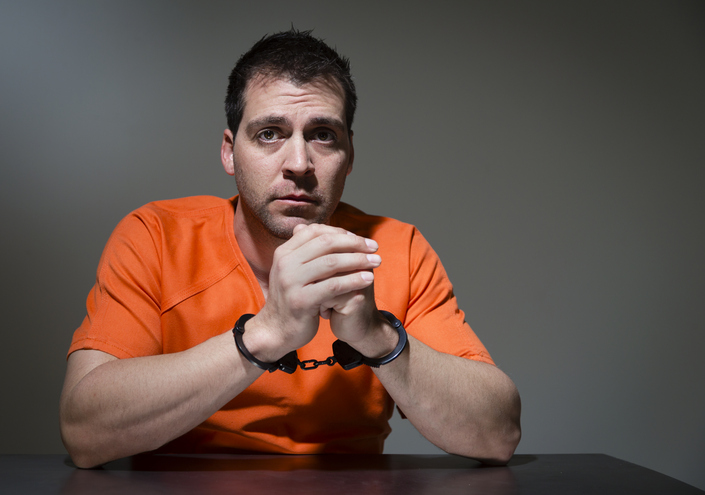
Understand How Handcuff Injuries Happen in NYPD Custody
Not all handcuff pain is harmless. Tight cuffs can cause nerve damage, cut off circulation, or even break the skin. In some Bronx arrests, officers fasten handcuffs too tightly, ignore pleas for adjustment, or leave people cuffed for long periods while seated or lying down. Over time, those choices cause harm.
In cases across precincts like the 42nd near Morrisania or during arrests on streets like East Tremont Avenue, people have reported losing feeling in their fingers or seeing bruising that lasted for weeks. Some say they told officers the cuffs were painful, only to be ignored. That matters. Officer refusal to act after a complaint could point to excessive force.
Even if the arrest itself followed procedure, the handcuffing process might not have. Harm doesn’t always come from obvious violence. Something as simple as wrist pressure can lead to:
- Skin abrasions
- Circulatory issues
- Nerve compression
- Long-term numbness
It starts with pain. It can end in permanent injury.
Know Your Rights After a Bronx NYPD Arrest or Stop
Everyone has rights during and after a police encounter. If NYPD officers detain or arrest you in the Bronx, they must follow rules designed to protect your health and dignity. That includes how restraints are used.
The Fourth Amendment guards against unreasonable force. That means officers should never cause injury while placing or keeping someone in cuffs. The Fourteenth Amendment also protects against deliberate indifference to medical needs. So if you complain about pain and they do nothing, that could violate your rights.
These protections apply everywhere, in busy areas like Fordham Road, at the 149th Street–Grand Concourse subway stop, or outside NYCHA buildings in Soundview. Wherever it happens, your rights matter.
If you were hurt by tight handcuffs, the law may support your claim. Officers must:
- Use restraints safely
- Respond to obvious signs of injury
- Allow access to medical care if needed
Being handcuffed doesn’t mean giving up basic rights.
Recognize the Signs of a Serious Handcuff Injury
It’s easy to brush off wrist pain as something minor. But some injuries only show their full impact after hours or even days. Knowing what to look for can help you act fast.
Severe handcuff injuries often affect nerves, blood flow, or skin. The more pressure applied, and the longer it stays, the higher the risk. If you experienced any of the following after being handcuffed by the NYPD in the Bronx, take them seriously:
- Tingling or numbness in hands
- Swelling or skin discoloration
- Lasting pain, especially when moving the wrist
- Stiffness or reduced range of motion
- Cuts or bruising that doesn’t fade
- Burning sensations down the arm
Some people experience shooting pain that travels up from the wrist to the elbow or shoulder. In rare cases, handcuff injuries result in nerve palsy, scarring, or loss of hand function.
You don’t need to feel every symptom. One sign can be enough.
Document the Injury as Soon as Possible
Proof starts with speed. If you were hurt by handcuffs during an NYPD arrest in the Bronx, document everything as soon as you can. That means photos, notes, and medical records.
Start with pictures. Use your phone or someone else’s. Get clear shots of your wrists and forearms from multiple angles. Capture any bruises, cuts, or swelling. Take photos each day to track changes. Even if the injury seems small, it matters.
Other ways to document:
- Write down what happened, including what you said and how officers responded
- List the names or badge numbers of NYPD officers, if you remember
- Save discharge forms from Bronx Central Booking
- Request any jail medical paperwork if treated during custody
If the arrest happened near public areas like Pelham Parkway or the Cross Bronx Expressway, there may also be nearby surveillance cameras. You or your attorney can request footage.
Every piece of proof adds weight to your story.
Seek Medical Attention and Preserve the Record
Getting medical care does more than help you recover. It builds a professional record. That record makes your injury real in the eyes of the law.
After any suspected handcuff injury in the Bronx, go to a hospital or urgent care clinic. Lincoln Medical Center near the Hub is one option. Montefiore Medical Center in Norwood is another. Tell them exactly what happened and describe the pain.
Doctors know how to spot wrist trauma. They can:
- Diagnose nerve or circulation problems
- Identify torn skin or pressure wounds
- Prescribe treatment or therapy
- Add clear notes to your medical file
Those notes can later serve as evidence. Be honest and consistent. Don’t downplay the pain. Ask for a copy of the visit summary.
Your medical file becomes one of your strongest tools.
Gather Evidence from the Scene and Witnesses
Injuries don’t happen in isolation. Other people often see what the police did or hear what was said. That testimony can back up your claim, especially when physical injuries are hard to capture in a photo.
Start with the scene. Where were you handcuffed? Was it on East 161st Street near the courthouse? In front of a store along White Plains Road? Think about who might have seen it. Then take steps to reach them, or ask someone you trust to help.
Useful witnesses might include:
- Pedestrians who stopped and watched
- Store employees or bodega owners
- People arrested or detained at the same time
- Residents looking on from nearby buildings
If you made verbal complaints about tight handcuffs, witnesses can verify what you said and how officers responded. That kind of evidence shows more than injury, it shows neglect.
You can also look for local security cameras. Ask nearby businesses if they captured the interaction.
Track NYPD Misconduct Reports and Patterns
Your experience might not be the first involving that officer or precinct. In fact, many Bronx residents file complaints each year about NYPD use of force during handcuffing. You can search for patterns that help support your case.
Start with the Civilian Complaint Review Board. They track claims against individual officers. If your case involves someone with multiple complaints, that information can strengthen your position.
Also consider filing a Freedom of Information Law (FOIL) request. These can be used to access NYPD body-worn camera footage, arrest records, or officer conduct histories.
Why it matters:
- Patterns of excessive force add credibility to your claim
- Officer history may show repeated misconduct
- Official records help fight denials
Even if it feels like your word against theirs, documentation levels the field.
Stay Within the Legal Time Limits to Act in New York
You don’t have unlimited time to report or file a claim for injuries caused by NYPD officers. In New York, strict deadlines apply. Missing them can stop your case before it starts.
To file a civil claim against the City of New York for police misconduct, you must submit a Notice of Claim within 90 days of the incident. That’s not much time, especially if you’re still dealing with pain, confusion, or recovery.
The Notice of Claim needs to include:
- The date, time, and location of the incident
- A clear description of what happened
- The nature of the injuries and alleged misconduct
You file it with the New York City Comptroller’s Office. Once that’s done, the legal process can move forward. But without it, you lose your chance to pursue damages in court.
Acting quickly not only preserves your claim, it helps lock in fresh details and stronger proof.
Understand How Proof Builds a Legal Case in the Bronx
A strong case doesn’t come from one photo or one visit to the doctor. It comes from how those pieces fit together. In Bronx courts, judges and juries want to see clear links between what happened and how it harmed you.
Think of it like this:
- Photos show the injury
- Medical records confirm it
- Witnesses describe it
- Officer histories support it
- Legal filings preserve it
When organized well, these details tell a complete story. That story shows the NYPD acted improperly and that harm followed. If your case reaches the Bronx Supreme Court or leads to a settlement discussion, proof will drive the result.
It also protects your credibility. Without it, your word may not be enough.
Your Documentation Can Make the Difference
If you believe NYPD handcuffs caused your injury during an arrest or stop in the Bronx, don’t wait to gather proof. Every photo, record, or witness statement matters. You don’t need to figure this out alone. The team at Horn Wright, LLP, knows how to build cases that hold officers accountable and push for real outcomes. We’ll help you document the harm, connect it to the misconduct, and stand up for your rights. If you're ready to take the next step, reach out to us directly for guidance.

What Sets Us Apart From The Rest?
Horn Wright, LLP is here to help you get the results you need with a team you can trust.
-
Client-Focused ApproachWe’re a client-centered, results-oriented firm. When you work with us, you can have confidence we’ll put your best interests at the forefront of your case – it’s that simple.
-
Creative & Innovative Solutions
No two cases are the same, and neither are their solutions. Our attorneys provide creative points of view to yield exemplary results.
-
Experienced Attorneys
We have a team of trusted and respected attorneys to ensure your case is matched with the best attorney possible.
-
Driven By Justice
The core of our legal practice is our commitment to obtaining justice for those who have been wronged and need a powerful voice.