


Use of Force on a Minor in the Bronx: Special Issues and Damages
What Bronx Families Need to Know About Police Misconduct and Compensation for Injured Children
At the center of many police misconduct cases involving children are families searching for answers and stability. When force is used against a minor in the Bronx, the harm often reaches far beyond physical injury. These cases involve fear, confusion, and a loss of trust that can affect a child for years. Bronx families deserve clear information and reliable legal guidance when these incidents happen.
Families researching their rights often turn to Bronx civil rights lawyers because use-of-force claims involving children require careful handling under New York law. When officers cross legal boundaries, parents must act quickly to protect their child’s health, education, and future. Understanding the unique legal issues tied to force against minors is an important first step.
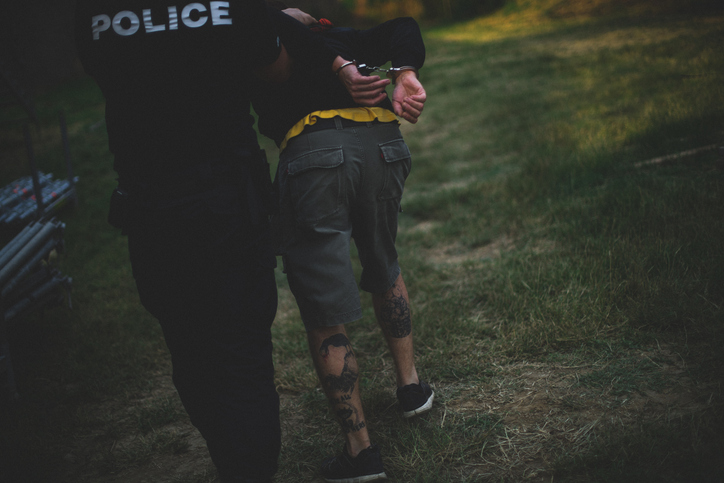
The Bronx Context: Youth, Policing, and Community Tension
The Bronx has one of the youngest populations in New York City. Children walk to school, gather in parks, and ride public transportation daily. Police presence is a routine part of life, especially in areas like Mott Haven and Fordham. While many interactions are uneventful, others escalate quickly and leave lasting damage.
Community concerns about youth policing in the Bronx often center on aggressive stops and physical restraints. Young people may not fully understand police commands. Some panic or freeze. Others act defensively. These reactions can lead officers to use force when calmer approaches would have worked.
Research from the New York Attorney General’s Office shows that young people of color face higher rates of police encounters statewide, including in the Bronx. Those statistics help explain why families remain cautious and why incidents involving minors demand close legal review.
Legal Definition: What Counts as Use of Force on a Minor
Under New York law, use of force includes any physical action beyond verbal direction. That includes grabbing a child’s arm, pushing them against a wall, handcuffing, or using control holds. The law allows officers to use only the level of force that is reasonable under the circumstances.
When the person involved is a minor, the standard tightens. Officers must account for age, size, emotional development, and mental health. Courts examine whether the officer had alternatives and whether the child posed any real threat.
Excessive force claims often turn on these factors:
- The child’s age and physical size
- Whether the child was armed or dangerous
- The seriousness of the suspected offense
- Whether the child was attempting to flee
- The availability of less forceful options
Force that might be lawful against an adult can become unlawful when used on a child.
Special Issues When the Victim Is a Minor
Children experience police encounters differently than adults. Many do not understand their rights or what officers expect from them. Fear can cause delayed reactions or emotional outbursts. These responses should not justify physical force.
Certain Bronx children face added risk during police encounters. These include children with disabilities, those in foster care, and students in schools with heavy security presence. School safety agents and officers must follow strict rules before using physical restraint.
Another challenge is reporting. Children may stay silent out of fear. Parents may learn about injuries days later. These delays can complicate investigations but do not erase a child’s legal protections.
Immediate Steps Families in the Bronx Should Take
After a force incident involving a child, early action protects both health and legal rights. Even when injuries seem minor, documentation matters.
Families should focus on these steps:
- Obtain medical care and keep all records
- Photograph visible injuries and damaged clothing
- Write down the child’s account in their own words
- Request police reports and incident numbers
- Ask about body camera or school security footage
Families can also file a complaint with the Civilian Complaint Review Board. The CCRB explains the complaint process, oversight role, and how civilian reports are reviewed and investigated.
Building the Legal Case: Evidence, Witnesses, and Timelines
Evidence is the backbone of any use-of-force claim involving a minor. Attorneys rely on records that show what happened before, during, and after the encounter.
Common evidence includes medical evaluations, witness statements, school incident reports, and video footage. Even when body camera footage is missing, cases can still move forward. Legal standards allow claims to rely on witness testimony and medical findings.
Timing is critical. Claims against the City of New York usually require a Notice of Claim within 90 days. Missing that deadline can limit legal options, regardless of the severity of the incident.
Damages in Bronx Use-of-Force Cases Involving Children
Damages in cases involving minors reflect both immediate harm and long-term impact. Courts recognize that injuries to children can affect development, education, and emotional stability.
Recoverable damages may include:
- Emergency and follow-up medical treatment
- Mental health counseling and trauma care
- Educational support services
- Pain and suffering
- Emotional distress
In some cases, courts also consider punitive damages when conduct shows disregard for a child’s safety. These awards aim to discourage similar behavior rather than compensate specific losses.
Emotional and Educational Fallout for Bronx Families
The effects of force on a child often surface weeks or months later. Some children develop anxiety around school or public spaces. Others struggle with concentration, sleep, or social interaction.
Parents may face school meetings, therapy appointments, and academic disruptions. Siblings can absorb the stress. These consequences affect entire households, not just the injured child.
Mental health professionals often play a role in documenting this impact. Their evaluations help courts understand how a single incident can reshape a child’s daily life.
Holding Officers and Institutions Accountable in the Bronx
Responsibility for a force incident may rest with more than one party. Individual officers, supervising agencies, and the City itself may share liability. Courts examine training, policy compliance, and supervision practices.
Legal defenses like qualified immunity often arise, but they are not automatic shields. Courts increasingly assess whether an officer’s actions violated clearly established rights, especially when children are involved.
Accountability helps families seek closure and encourages safer practices moving forward.
Bronx Families Have Legal Rights and a Voice
No child should suffer harm during a police encounter. When force is used improperly, Bronx families have the right to demand answers and accountability. Legal action can help protect a child’s future and reinforce standards meant to keep young people safe.
Families seeking guidance after a force incident involving a minor can request information or legal support to better understand available options and next steps.

What Sets Us Apart From The Rest?
Horn Wright, LLP is here to help you get the results you need with a team you can trust.
-
Client-Focused ApproachWe’re a client-centered, results-oriented firm. When you work with us, you can have confidence we’ll put your best interests at the forefront of your case – it’s that simple.
-
Creative & Innovative Solutions
No two cases are the same, and neither are their solutions. Our attorneys provide creative points of view to yield exemplary results.
-
Experienced Attorneys
We have a team of trusted and respected attorneys to ensure your case is matched with the best attorney possible.
-
Driven By Justice
The core of our legal practice is our commitment to obtaining justice for those who have been wronged and need a powerful voice.