


What Missing Body Cam Footage Can Mean in Bronx Force Cases
Body Cameras and Public Trust in the Bronx
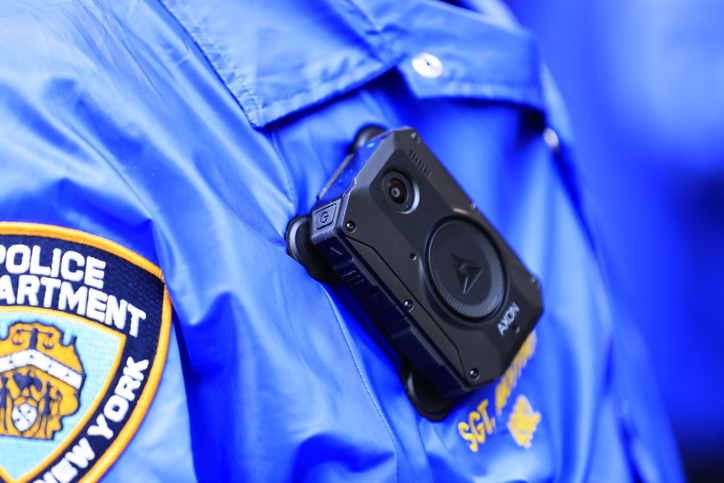
Body-worn cameras were introduced to protect both the public and the police. In the Bronx, they were adopted to provide transparency and build trust during police interactions. When a video exists, it gives everyone involved a clear record of what happened. In a borough with longstanding concerns about officer conduct, that kind of clarity matters.
But missing video changes everything. If you're involved in a police force case and the footage isn’t available, you’re not alone. Bronx excessive force attorneys at Horn Wright, LLP, understand how overwhelming this can feel. We help clients hold law enforcement accountable when critical footage disappears or never existed in the first place.
Why Body Cam Footage Matters in Use of Force Cases
In police force incidents, stories can conflict. Officers file reports. Witnesses give statements. But body cam footage tells the story in real time, without interpretation. That’s why it carries so much weight.
NYPD officers in the Bronx, especially in high-density areas like Soundview or Kingsbridge, are required to activate their cameras during most enforcement actions. These recordings may capture verbal commands, tone of voice, and movements that matter in legal decisions. Did the officer give a warning? Did they escalate too quickly? The footage helps determine that.
Without it, judges and juries rely heavily on written reports and testimony, which may be incomplete or inconsistent. Attorneys also use video to build timelines and evaluate whether an officer’s response was reasonable. In force cases, those details are foundational.
If that video isn’t available, there’s more room for confusion and more pressure on other evidence. And in a borough like the Bronx, where legal outcomes deeply affect families and communities, losing that clarity affects more than just a case. It shakes trust.
How Footage Gets Lost or Goes Missing
Despite policy requirements, body cam footage sometimes goes missing. The reasons vary, but the impact is always serious.
Here’s how that typically happens:
- The officer didn’t activate the camera during the interaction
- The equipment malfunctioned while recording
- The footage was deleted, either intentionally or due to storage issues
- Only a portion of the footage was preserved or released
In neighborhoods like Riverdale or Morrisania, residents have reported incidents where serious confrontations occurred, but no body cam video was available afterward. That puts the burden back on victims and their attorneys to explain what happened, often without the most objective piece of evidence.
According to the NYPD’s official body-worn camera policy, officers must activate cameras “prior to engaging in law enforcement action.” But enforcement of that rule has been inconsistent.
Even when footage is recorded, it may become corrupted, lost due to technical problems, or simply unreleased. While technology can fail, the system that manages it should not. And when the NYPD controls the footage and its release, the question of accountability becomes even more important.
Legal Consequences of Missing Footage in Bronx Force Cases
Missing body cam footage can have a direct legal impact on use of force cases in Bronx courts. The justice system recognizes that lost or unavailable evidence affects fairness.
One key principle that often applies is spoliation of evidence. If the NYPD had the footage and failed to preserve it, a judge may penalize them. In civil or criminal cases, this can take several forms:
- A judge may allow a jury to assume the footage would have supported the injured party
- The court might issue sanctions against the NYPD or individual officers
- Prosecutors could lose the ability to rely on officer testimony as heavily
- In rare situations, a case could be dismissed due to the absence of critical evidence
These outcomes depend on the details. Bronx County judges look at whether the NYPD had a legal duty to preserve the footage, and whether its absence harms the fairness of the case.
In police misconduct claims, attorneys may file motions arguing that the department failed to follow basic procedures. That can shift the burden back toward law enforcement and reduce the weight of their narrative in court.
Even in criminal defense cases, missing footage can support arguments about bias or due process violations. Courts don’t just overlook lost video. When it should have existed and doesn’t, it becomes a central issue.
Public Accountability and NYPD Transparency Gaps
When footage disappears, people notice. Bronx residents already carry deep concerns about officer conduct, especially in areas like Tremont and Wakefield. When body cam footage goes missing in a force case, it reinforces the belief that justice isn’t equally available to everyone.
Community groups and watchdog organizations across New York City have called for broader access to police video and stricter enforcement of camera activation rules. Transparency, they argue, is about maintaining the integrity of law enforcement.
Transparency issues related to NYPD body cameras include:
- Delays in public release of videos
- Edited or redacted footage with no explanation
- Selective sharing of videos with legal teams
Even though the New York State Committee on Open Government outlines clear rules on public records, access to police video remains inconsistent. In the Bronx, that inconsistency feeds mistrust and creates ongoing tension between residents and law enforcement.
Transparency affects more than policy. It affects morale, relationships, and safety. When the public doesn’t believe the full story is being told, community cooperation suffers.
How Attorneys Use or Challenge Missing Video Evidence
When video is unavailable, experienced legal teams adapt. Bronx attorneys don’t rely on just one piece of evidence. They assemble a broader picture that still tells the story.
They might use:
- Medical records showing the extent of injuries
- Statements from witnesses at the scene
- Officer reports that contradict physical evidence
- Photos, videos, or messages from bystanders
- NYPD radio transmissions and call logs
These elements become more important when the most direct visual evidence is gone. Attorneys also focus on the NYPD’s policies. If an officer was required to record but didn’t, that becomes part of the case. Missing footage is something that needs to be explained.
And when that explanation doesn’t hold up, it raises credibility issues. That’s especially true when reports change over time or lack key details that video would’ve shown.
In fact, cases like these have become more frequent, leading many clients to wonder if excessive force can still be proven without video.
Strong attorneys know how to show patterns, compare statements, and frame questions in ways that make the absence of video speak volumes.
What You Should Do if Your Case Involves Missing Footage
If you’ve been involved in a police force case in the Bronx and body cam footage is missing, you can still act. You don’t need to wait for answers to come from the department. Start by protecting your own evidence and preparing for legal steps.
Here’s what to do:
- Request all available video through legal channels or FOIL requests
- Document your injuries with photos and medical treatment records
- Write down your memory of the event while it's fresh
- Save any photos, videos, or texts from the time of the incident
- Collect names and numbers of anyone who saw what happened
- Speak with a local attorney about your rights and your case timeline
Missing footage doesn’t make your claim invalid. But it does mean you need to be even more prepared with other forms of proof. Fast action can preserve witness availability and evidence that might fade or disappear over time.
A lawyer can also request internal NYPD communications about the footage and investigate whether the video was ever recorded. This type of follow-up often uncovers answers that initial police reports leave out.
Missing Footage Shouldn’t Erase the Truth
Missing body cam footage in Bronx force cases affects trust, safety, and the public’s right to accountability. The loss of that video doesn’t erase what happened. Your experience still matters, and the law still provides tools to pursue justice.
If you're ready to speak with someone about a case involving missing footage, our team is here to help. Horn Wright, LLP, understands what’s at stake, and we’ll work to uncover the truth behind every redacted, delayed, or missing file.

What Sets Us Apart From The Rest?
Horn Wright, LLP is here to help you get the results you need with a team you can trust.
-
Client-Focused ApproachWe’re a client-centered, results-oriented firm. When you work with us, you can have confidence we’ll put your best interests at the forefront of your case – it’s that simple.
-
Creative & Innovative Solutions
No two cases are the same, and neither are their solutions. Our attorneys provide creative points of view to yield exemplary results.
-
Experienced Attorneys
We have a team of trusted and respected attorneys to ensure your case is matched with the best attorney possible.
-
Driven By Justice
The core of our legal practice is our commitment to obtaining justice for those who have been wronged and need a powerful voice.