


When Officer Reports Conflict with Video: Building the Record
What Happens When Stories Don’t Match?
You're pulled over, questioned, or arrested, and later, the police report tells a version of events that doesn’t match what you remember. Maybe you were calm, but the report says you were combative. Maybe it claims you reached for something when you never did. Then you see the video. Yours, a bystander's, or maybe even bodycam footage. And it tells a completely different story.
This disconnect happens more often than people think, especially in the Bronx. Areas like Fordham Road, East 161st Street, and intersections near Yankee Stadium are filled with cameras, phones, and watchful eyes. If you've been in this situation, you're not alone. You're also not powerless. At Horn Wright, LLP, our Bronx NY civil rights attorneys help residents challenge conflicting accounts with real evidence and strategic legal framing. When officer statements leave out key facts, we focus on setting the record straight.
Why the Officer’s Report Carries Weight in the Bronx
Police officers file written reports that get taken seriously. In the Bronx, prosecutors, judges, and even juries tend to give weight to these accounts, especially early on. These reports shape how the case moves forward.
If the report says you resisted arrest, that charge may stick, even if the video shows you standing still. If the officer claims they saw something in plain view, that might justify a search. And because reports come in early, long before evidence like video or witness statements, they can leave a lasting impression.
In Bronx Criminal Court, where dockets move quickly and judges handle dozens of cases a day, these early impressions can shape outcomes. That’s why it matters to respond quickly, clearly, and with a strong record of your own.
When Your Video Tells a Different Story
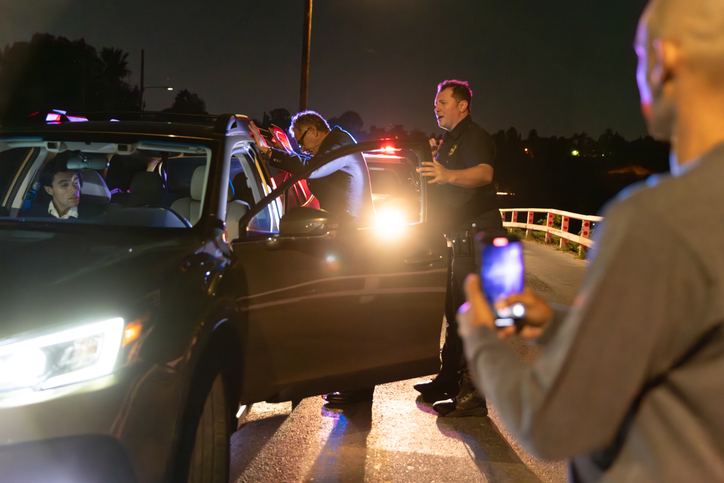
Today, almost everything gets recorded. Someone on the street is holding a phone. A business has a camera pointed at the sidewalk. Police bodycams capture hours of footage every shift. In a place like the Bronx, where streets stay busy and people stay alert, video often becomes a key piece of evidence.
We’ve seen this happen near the Grand Concourse or outside buildings in Mott Haven, places where foot traffic and security cameras overlap. Someone gets stopped. The report says they were evading. But video shows them standing still, waiting for the light. These moments may seem small, but in court, they can shift the balance completely.
Still, video by itself doesn’t always tell the full story. It may show what happened, but not how or why. That’s why pairing it with written records, timestamps, and witness names gives the footage the context it needs to hold weight in court.
Start Building the Record Early
After an encounter with police, time matters. If something doesn’t feel right, don’t wait for the paperwork. Start building the record yourself.
Take notes while it’s fresh. Write down everything, what was said, where you were, who else was there. Save any text messages you sent right after the incident. Those messages can show what you saw and how you felt in real time.
If you captured video, back it up in more than one place. Use secure cloud storage or an external drive. Keep the original file names and metadata intact. Don’t add filters. Don’t crop. Raw video holds more weight in court than an edited version.
A strong legal team can later use this material to build a case. But the sooner you gather it, the more solid your foundation becomes.
How to Preserve Video Evidence in New York
In the Bronx, much of the footage you need may not come from your phone. Stores, apartment buildings, NYCHA properties, all may have surveillance cameras pointed at the scene. But those recordings don’t last forever.
Some delete in as little as 48 to 72 hours. Others get overwritten weekly. To avoid losing key footage, move fast.
Here’s how to preserve it:
- Visit the store or building and ask the manager directly
- Request the exact date and time of footage you need
- Bring ID if needed and explain the purpose
- Follow up with a written request (email or printed letter)
- Save any responses or denial of access
Footage that shows the sidewalk outside a bodega on Webster Avenue might capture the most important 30 seconds of your case. But once it’s gone, it’s gone.
Also, preserve your own recordings. Save them with original timestamps. Avoid social media sharing until a lawyer reviews them. What you post might get taken out of context or misused.
What Bronx Judges Look for in Conflicting Evidence
Judges in Bronx courtrooms have seen many cases where an officer’s report doesn’t line up with what shows up on screen. But not all video evidence carries the same weight.
They’ll ask questions:
- Is the footage clear and steady?
- Can they see people’s faces or hear the conversation?
- Does the timeline match the rest of the evidence?
- Has the video been edited or altered?
They also consider how the video fits with other records. Does it support your statement? Does it line up with what witnesses say?
Bronx judges don’t expect Hollywood-quality footage. They want reliable, consistent, and relevant video. Even short clips can make a difference, if the rest of the case holds together.
Sworn Officer Statements vs. Raw Footage
Police reports follow a structure. They’re clean, formal, and full of official language. That structure gives them credibility. But it also means details sometimes get left out or framed a certain way.
Video, on the other hand, is messy. It may include background noise or shaky movement. But it often captures what’s real, what actually happened in the moment.
When these two versions clash, courts must decide who to believe. In some Bronx trials, video has uncovered key gaps in officer memory. Not every report is dishonest, but memory can be selective. People misinterpret or misremember under stress. Video doesn’t forget.
Still, raw footage needs context. That’s why pairing it with a detailed record, your statement, messages, and witness support, helps shift the focus from authority to accuracy.
Using Public Records and FOIL Requests to Strengthen Your Case
New York’s Freedom of Information Law (FOIL) allows you to request official records, including:
- Police body-worn camera footage
- Radio dispatch logs
- Internal NYPD communications about your case
These requests take time. In the Bronx, you’ll often deal with NYPD precincts like the 40th or 48th or submit directly to the Bronx District Attorney’s Office. Response times vary, but don’t get discouraged if there are delays or pushback.
Persistence matters. If your first request is denied, you may have a right to appeal. Your legal team can help push the process forward and ensure the materials get preserved before they’re lost or archived.
When successful, these records can fill major gaps. They may show what was said before you were approached or reveal that bodycam footage exists, even if the officer didn’t mention it in their report.
Your Attorney’s Role in Framing the Conflict
Having video that contradicts a police report is a strong start, but it’s not enough by itself. An experienced Bronx defense attorney plays a critical role in shaping how that contradiction gets presented.
Your lawyer’s job is to tell your story, not just with images, but with structure and strategy. That means:
- Highlighting specific moments in the footage that support your version
- Showing how the report omits or misrepresents key facts
- Comparing what’s said on video to what appears in sworn statements
They may also bring in expert testimony, especially if video quality or interpretation becomes an issue. For instance, if bodycam footage from East Tremont Avenue shows poor lighting, an expert can explain what that does and doesn’t prove.
Ultimately, the goal is to show that the truth matters more than titles or uniforms.
The Bigger Picture: What Conflicting Reports Say About Systemic Issues
Cases where video clashes with officer reports point to deeper problems. In the Bronx, trust between communities and law enforcement continues to face strain. These conflicts expose how easily official narratives can go unchallenged, unless someone speaks up.
That’s why building the record matters. Not just for your own protection, but for the integrity of the entire system. When Bronx residents bring forward evidence, request footage, and demand accuracy, it sends a message: Facts matter. Context matters. People matter.
There are also support networks throughout the Bronx working toward transparency and accountability. Whether it’s legal aid groups, community organizers, or civil rights advocates, resources exist to help people challenge misconduct and get their voices heard.
Let Horn Wright, LLP Help, Build Your Case
If you’re facing charges and the officer’s report doesn’t match the video or your memory, you deserve a clear and accurate defense. Our attorneys at Horn Wright, LLP, understand how to present the truth using evidence that holds up in Bronx courtrooms. We build the record early, preserve what matters, and challenge false narratives with facts.
If you're ready to protect your rights and take control of your case, reach out to us. We’re here to take that stress off your shoulder one fact at a time.

What Sets Us Apart From The Rest?
Horn Wright, LLP is here to help you get the results you need with a team you can trust.
-
Client-Focused ApproachWe’re a client-centered, results-oriented firm. When you work with us, you can have confidence we’ll put your best interests at the forefront of your case – it’s that simple.
-
Creative & Innovative Solutions
No two cases are the same, and neither are their solutions. Our attorneys provide creative points of view to yield exemplary results.
-
Experienced Attorneys
We have a team of trusted and respected attorneys to ensure your case is matched with the best attorney possible.
-
Driven By Justice
The core of our legal practice is our commitment to obtaining justice for those who have been wronged and need a powerful voice.