


Body Cam Footage and Missing Video: What It Means in Bronx Cases
The Role of Body Cam Footage in Civil Rights Cases
Getting arrested in the Bronx can feel overwhelming, especially when the facts of what happened don’t line up with what’s in the police report.
In many cases, body camera footage becomes a key piece of evidence. These recordings can either confirm your version of events or expose misconduct. But when footage goes missing or is never recorded, the truth becomes harder to prove.
If you are facing criminal charges or believe you were wrongfully arrested in New York, speak to a Bronx civil rights attorney at Horn Wright, LLP.
Our team investigates cases involving false arrests, excessive force, and missing video evidence. We help clients uncover the truth and seek accountability.
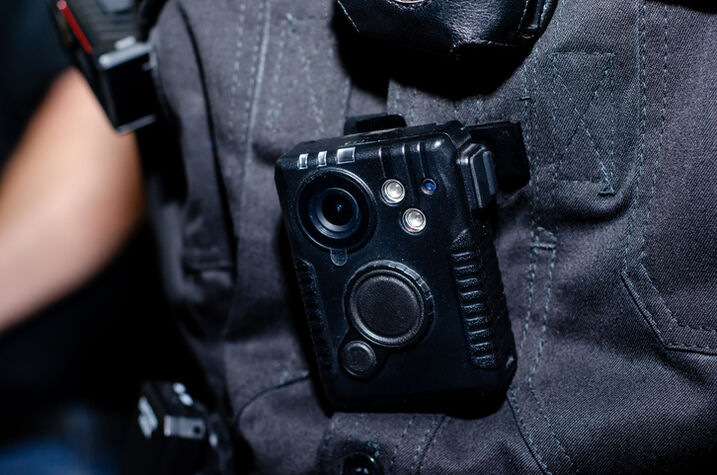
Why Body Cameras Were Introduced in the Bronx
Body-worn cameras became mandatory for NYPD officers after years of public pressure and high-profile incidents involving police misconduct. They were intended to:
- Improve police accountability
- Provide accurate records of interactions
- Reduce complaints against officers
- Protect both the public and the police
In the Bronx, where tensions between law enforcement and communities run high, body cams became standard equipment in nearly every precinct. But having a camera and using it properly are not always the same. Officers must manually activate their cameras during certain encounters, and lapses continue to occur.
When Officers Fail to Record an Encounter
Officers in New York are required by NYPD policy to activate their body cams when:
- Conducting stops or searches
- Making arrests
- Responding to calls involving potential crimes
- Interacting with emotionally disturbed persons
Despite clear rules, failures to record still happen. Some officers forget, while others delay activation. In more troubling cases, officers may intentionally avoid recording to shield misconduct. Missing footage often becomes an issue in:
- False arrest claims
- Excessive force incidents
- Disputes over verbal threats or language
The lack of footage doesn’t mean the event didn’t happen, but it can complicate your legal claim. Civil rights attorneys look closely at why footage was missing and whether NYPD policies were followed.
The Impact of Missing Video on a Bronx Defense Case
In criminal court, body cam footage can support your defense. It may:
- Contradict an officer’s testimony
- Show that no crime was committed
- Reveal excessive or unjustified force
- Prove that your rights were violated during a stop
If footage is missing, your defense attorney can question the reliability of the officer’s version. Courts are not supposed to automatically assume guilt based on an arrest. However, without video, your credibility may be unfairly challenged.
Under New York’s discovery rules, prosecutors must turn over available body cam footage early in the case. If they fail to do so or if the video was lost, your lawyer may request sanctions, a dismissal, or jury instructions that address the missing evidence.
When Footage Exists but Tells a Partial Story
Even when body cam footage is preserved, it may not capture everything. These cameras:
- Have a limited field of view
- Do not show what is happening behind the officer
- May miss audio in noisy environments
- Often start recording a few seconds after activation
In many Bronx cases, the footage shows part of an encounter but leaves out important context. For example, the camera may catch the moment of an arrest but not what led up to it. Or it may record only one officer’s perspective during a multi-person interaction.
Attorneys use multiple angles when possible. Security footage, cell phone video, and other sources may fill in the gaps. However, when body cam video is incomplete, the narrative can still lean heavily on the officer’s report.
Chain of Custody Issues in Video Evidence
Another layer of complexity involves how video is handled after the recording. NYPD is responsible for:
- Uploading footage to secure systems
- Labeling clips accurately
- Preserving video for the proper length of time
If officers mislabel or delete video, or if supervisors fail to follow procedures, that can undermine the chain of custody. In civil rights lawsuits, lawyers examine logs and metadata to see when video was recorded, accessed, and shared.
In some Bronx civil rights cases, video has surfaced later that was previously claimed to be missing. That kind of delayed disclosure can raise questions about intentional withholding or mismanagement.
Civil Rights Violations Linked to Missing Video
When body cam footage is missing or misused, it may support claims involving:
- False arrest: If there is no video of the alleged offense or the arrest encounter
- Excessive force: If a violent interaction was not recorded
- Fabricated charges: When video could have disproved an officer’s narrative
These cases hinge on more than just the absence of video. Attorneys must show how the lack of footage harms your case or demonstrates a pattern of misconduct.
Federal courts have addressed missing video in cases brought under 42 U.S.C. Section 1983. A pattern of non-recording or selective recording may suggest intent to deprive someone of their rights. Bronx judges are increasingly aware of how these lapses affect fairness.
Legal Standards for Preservation and Disclosure
In both criminal and civil cases, parties must preserve relevant evidence. That includes body cam footage. Courts look at whether:
- The footage was intentionally destroyed
- The destruction violated existing rules
- The missing evidence would have supported the defense
If a judge finds bad faith or gross negligence, they may instruct jurors to draw negative inferences. In civil cases, this can increase liability. In criminal court, it may lead to sanctions or a dismissal.
The U.S. Department of Justice and New York State policies encourage law enforcement to adopt clear procedures on video handling. Failure to follow those procedures can become evidence in its own right.
How Civil Rights Attorneys Use Video to Build Your Case
At Horn Wright, LLP, our attorneys begin every case by asking: What video exists? We:
- Request all NYPD body cam footage
- Seek private surveillance or cell phone video
- Compare footage with police reports
- Challenge gaps or contradictions in the narrative
We’ve handled Bronx cases where missing footage raised serious concerns about officer conduct. In some instances, the lack of recording helped prove that the officer deviated from NYPD policy, undermining their credibility.
When video exists and supports your version, we use it to strengthen claims of false arrest, malicious prosecution, or excessive force. When it’s missing, we work to show why that matters and how it may point to misconduct.
Next Steps if You Suspect Evidence Was Mishandled
If you believe officers failed to record an incident, or if footage was deleted or withheld, act quickly:
- Write down everything you remember about the encounter
- Preserve any video you or witnesses have
- Contact a civil rights lawyer immediately
Body cam footage is often overwritten within months. A delay can make recovery impossible. Reach out to our team today for trusted legal help.

What Sets Us Apart From The Rest?
Horn Wright, LLP is here to help you get the results you need with a team you can trust.
-
Client-Focused ApproachWe’re a client-centered, results-oriented firm. When you work with us, you can have confidence we’ll put your best interests at the forefront of your case – it’s that simple.
-
Creative & Innovative Solutions
No two cases are the same, and neither are their solutions. Our attorneys provide creative points of view to yield exemplary results.
-
Experienced Attorneys
We have a team of trusted and respected attorneys to ensure your case is matched with the best attorney possible.
-
Driven By Justice
The core of our legal practice is our commitment to obtaining justice for those who have been wronged and need a powerful voice.