


Malicious Prosecution vs False Arrest in the Bronx: Key Differences
Understanding Your Rights After a Wrongful Arrest or Charge
If you were wrongfully arrested or charged in New York, you’re likely angry, confused, and unsure about what to do next. Maybe you were stopped for something minor that spiraled into criminal charges. Maybe the case fell apart, but you still spent weeks or months trying to clear your name.
These moments can leave lasting harm. But before you can hold anyone accountable, you need to know what kind of legal claim you might have. False arrest and malicious prosecution are two different paths, and both come with their own rules.
At Horn Wright, LLP, we represent people across New York who were targeted unfairly by police or other officials. Our Bronx civil rights attorneys help clients figure out if their arrest, prosecution, or both crossed the legal line. If you’re unsure what happened to you, we’re here to listen and walk you through your options.
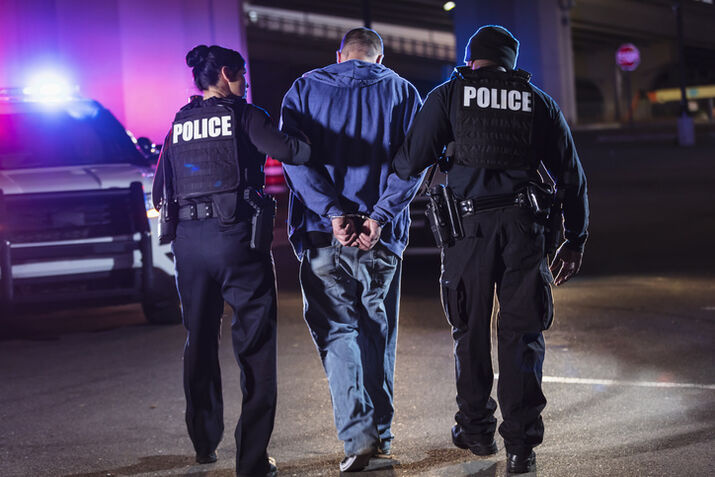
Understand the Purpose of Both Claims
False arrest and malicious prosecution often get mentioned together, but they protect against different kinds of harm. Both can be filed under Section 1983 if police or government workers violated your constitutional rights.
False arrest focuses on what happens before you ever set foot in court. It challenges the legality of the arrest itself. Were you detained without cause? Were your rights ignored? If so, you may have a claim.
Malicious prosecution, by contrast, focuses on what happens after the arrest. It’s about the decision to move forward with charges despite weak or non-existent evidence. If your case was pushed forward with bad intent or pressure from officers, and it ended in your favor, you may have grounds for this type of lawsuit.
Each claim serves a purpose. Understanding which one fits your experience gives you a clearer path forward.
Define False Arrest Under New York Law
False arrest happens when someone is taken into custody without probable cause. It’s a violation of your Fourth Amendment rights. In the Bronx, these cases often begin with a traffic stop, a street encounter, or a surprise visit to someone’s home. If the officer can’t justify the arrest with facts that support the charges, you may have a claim.
Common triggers for false arrest claims:
- You were mistaken for someone else
- No investigation was done before the arrest
- A warrant didn’t exist or was invalid
- The arresting officer acted out of bias or retaliation
For example, NYPD officers conducting stop-and-frisk operations near East Tremont or Fordham Road may arrest someone based on appearance or location alone. If there’s no supporting evidence, and you’re detained anyway, that could be false arrest.
What matters is whether a reasonable officer would have believed you committed a crime. If not, your rights may have been violated from the moment you were placed in handcuffs.
Define Malicious Prosecution Under Section 1983
A malicious prosecution claim focuses on what happened after your arrest. Did prosecutors file charges without evidence? Did police influence the process with false statements or pressure? If so, and your case ended in your favor, you may be eligible to file under Section 1983.
To bring a claim, you’ll need to show:
- Criminal charges were filed against you
- The case ended in a way that clears you (dismissal, acquittal, dropped charges)
- There was no probable cause to file the charges
- The people involved acted with malice
- You lost freedom or suffered some legal harm as a result
These cases require more than a bad feeling. You’ll need proof that someone involved in the process, usually a police officer, actively pushed the case forward without justification.
For people in the Bronx, this might involve pressure from officers at the 42nd or 46th precinct to pursue charges that don’t hold up. If the case is built on shaky evidence and pushed anyway, it could qualify.
Compare the Timing of Each Violation
Timing plays a big role in separating false arrest and malicious prosecution. Each claim focuses on a different phase of what happened.
False arrest covers the moment the police stop you through to when you're first brought before a judge. It’s about how and why you were detained in the first place.
Malicious prosecution starts later. It picks up once formal charges are filed. It covers everything that happens while the case is active—investigations, hearings, motions, and trial prep. If that entire process is based on lies or personal motives, and the case fails, you may have a valid claim.
So if you were arrested without cause and then prosecuted with bad intent, you might have both claims. But they focus on different stretches of time, and the harm looks different in each.
Show What Must Be Proven in Each Case
Each type of claim comes with its own legal requirements. You’ll need different kinds of proof depending on which path you take.
To prove false arrest, you must show:
- You were intentionally detained
- The arresting officer lacked probable cause
- You didn’t consent to the detention
- You suffered harm as a result
To prove malicious prosecution, you’ll need to show:
- Criminal charges were filed
- The charges ended in your favor
- The case lacked probable cause
- The officer acted with malice
- You were harmed by the legal process
In both cases, documentation matters. Arrest reports, witness statements, and body cam footage can all help. A civil rights attorney will know how to spot gaps in the government’s version of events.
Describe Who Can Be Sued in Each Claim
Not every person involved in your arrest or prosecution can be sued. Section 1983 claims must target individuals who directly violated your constitutional rights. That usually means police, not prosecutors.
For false arrest:
- Police officers who made the arrest are often named
- Supervisors may be included if they authorized or ignored the illegal action
For malicious prosecution:
- Officers who initiated or sustained the charges
- Detectives who manipulated evidence or withheld key facts
Prosecutors are generally protected by absolute immunity. That means they can’t be sued for filing charges or making court decisions, even if those decisions are flawed.
In some cases, you may also bring a claim against a municipality if policies or practices contributed to the violation.
Explain Why the Court Process Affects Malicious Prosecution
Malicious prosecution claims rise or fall based on how your criminal case ended. Courts want to see that you were cleared, not that you made a deal to get a lighter sentence.
A “favorable termination” includes:
- Dismissals by the Bronx District Attorney’s Office
- Acquittals after a bench or jury trial
- Grand jury refusal to indict
If you took a plea, even to a violation or non-criminal offense, it may block your claim. Courts often treat a plea as an admission, even if you were pressured into it.
This is one reason why civil rights attorneys urge clients to consult before agreeing to any deal. Once you sign, your ability to sue may be gone for good.
Keep copies of court documents that show how your case ended. The stronger the paperwork, the better your chances in a future lawsuit.
Identify When a Person Might Have Both Claims
In many cases, false arrest and malicious prosecution overlap. The arrest lacked cause, and the case should never have moved forward, but it did.
Examples of overlapping claims:
- You were stopped on the street and arrested without evidence, then charged with a felony that was later dropped
- You were misidentified, arrested at home, and prosecutors pursued the case despite DNA or video showing you weren’t involved
Having both claims doesn’t mean you’ll automatically win both. Each must be built separately. They may even be filed in different courts depending on the facts.
A Bronx civil rights attorney can help you decide how to proceed and whether to focus on one or both claims.
Talk to a Bronx Civil Rights Lawyer Before Filing
Section 1983 lawsuits are complex. They often involve deep investigation, long discovery periods, and strong opposition from city attorneys. You don’t want to go through this alone.
A Bronx-based civil rights lawyer can help you:
- Evaluate your claim and explain the law
- Request records, video, and internal memos
- Track deadlines and file properly
- Prepare for settlement discussions or trial
At Horn Wright, LLP, we work closely with people who’ve been arrested or charged unfairly. We’ve helped clients in the Bronx and across New York figure out what really happened, and how to respond. If you think your rights were violated, don’t wait. A short conversation can clarify your next steps.
Don’t Let a Bad Arrest or Case Go Unchallenged
False arrest and malicious prosecution hurt more than your record. They damage your reputation, your peace of mind, and your future. If you were arrested or charged without cause in the Bronx, you may have legal options under Section 1983.
At Horn Wright, LLP, our civil rights attorneys help people across New York hold police and other officials accountable. If you're ready to speak with someone who knows the system and respects your story, we’re here to help you move forward.

What Sets Us Apart From The Rest?
Horn Wright, LLP is here to help you get the results you need with a team you can trust.
-
Client-Focused ApproachWe’re a client-centered, results-oriented firm. When you work with us, you can have confidence we’ll put your best interests at the forefront of your case – it’s that simple.
-
Creative & Innovative Solutions
No two cases are the same, and neither are their solutions. Our attorneys provide creative points of view to yield exemplary results.
-
Experienced Attorneys
We have a team of trusted and respected attorneys to ensure your case is matched with the best attorney possible.
-
Driven By Justice
The core of our legal practice is our commitment to obtaining justice for those who have been wronged and need a powerful voice.