


Probable Cause in Bronx Malicious Prosecution Claims: The Central Issue
What Probable Cause Means in Section 1983 Claims
If you were arrested or prosecuted in New York without real justification, the experience likely left you angry, confused, and embarrassed.
Before you can file a civil rights claim for malicious prosecution, the court wants to know one thing: did the state have probable cause? That single question often makes or breaks your case.
At Horn Wright, LLP, we work with New York residents who were wrongfully charged and want to pursue justice under Section 1983. Our Bronx civil rights attorneys know that probable cause is not a simple checkbox.
It has to be supported by facts, not just assumptions. If your case ended in your favor and you believe the arrest or prosecution was baseless, we can help you evaluate whether the state overstepped and whether you have the right to hold them accountable.
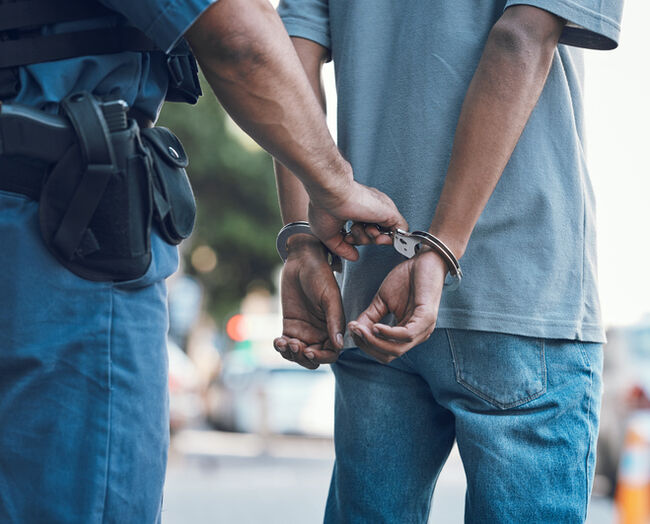
Know Why Probable Cause Matters in Malicious Prosecution Cases
Probable cause is the legal reason why police or prosecutors move forward with criminal charges. In malicious prosecution claims, it plays a protective role. If authorities had probable cause to begin the prosecution, they are often shielded from civil liability. But if they lacked it, or if the justification later falls apart, you may have a valid claim.
In the Bronx, where false arrests and rushed prosecutions do happen, showing that no probable cause existed can become the heart of your case. Courts want proof that the criminal charges were not just wrong, but unjustified from the beginning.
The standard for probable cause is lower than what is needed to convict someone. That is why winning your criminal case is not enough. You must show that even starting the case was unreasonable based on what the authorities knew at the time.
If your criminal complaint had major holes from the start, or if charges relied on flawed or missing evidence, you may be able to prove that the state crossed the line.
Understand the Legal Definition of Probable Cause
Courts define probable cause as a reasonable belief, based on facts, that a person committed a crime. It does not mean absolute certainty. But it must be grounded in something real and verifiable at the time the charges were filed.
Key points about how courts apply this standard:
- Probable cause must be based on what the officer or prosecutor knew then, not what was uncovered later
- Vague suspicions, racial profiling, or personal bias do not count
- Reliable facts or trustworthy witnesses are often needed to meet the bar
For example, if an arrest was based only on someone pointing and saying “he did it,” with no further investigation, that may not be enough. But if the same person gave a written statement and described what they saw in detail, that might support probable cause.
New York courts, including those in the Bronx, will look closely at affidavits, arrest reports, body cam video, and initial witness statements to evaluate whether probable cause existed. If those records show weak or missing evidence, that could help you build your civil case.
Separate Arrest Probable Cause from Prosecution Probable Cause
One of the most confusing issues in malicious prosecution cases is that there are actually two different kinds of probable cause: one for the arrest, and one for filing charges.
- Arrest probable cause gives the police legal authority to detain someone
- Prosecution probable cause gives prosecutors legal authority to charge someone formally
You might have been arrested legally, but charged unfairly. That distinction matters. For example, an officer may have had grounds to arrest you based on a reported incident, but after reviewing security footage, it became clear you were not involved. If the DA still filed charges, that could show a lack of prosecution probable cause.
In a Bronx courtroom, this separation often plays out when defense attorneys push for an early dismissal. They argue that even if the arrest was allowed, continuing the case was unjustified. That same reasoning can support a later Section 1983 lawsuit.
Examine How Probable Cause is Challenged in Court
To win a malicious prosecution case, you will need to show how the state got probable cause wrong. This usually means highlighting what the authorities overlooked, ignored, or distorted when making their decision.
Ways attorneys challenge probable cause include:
- Presenting surveillance video that contradicts witness claims
- Showing that an officer failed to interview key people
- Demonstrating that physical evidence never supported the charges
- Exposing inconsistencies in arrest reports
- Proving the suspect’s alibi was never investigated
Your civil rights lawyer will request discovery documents, gather transcripts from the criminal case, and dig into anything the prosecution relied on to justify the charges. If the state rushed forward without checking its facts, you may have a valid basis to file a claim.
These investigations are time-sensitive. Some evidence, like video from a NYCHA building or body cam footage, may be deleted if not preserved quickly.
Know When Probable Cause Is Undermined by Misconduct
In some cases, police or prosecutors do more than make a mistake. They manipulate facts to justify a case that should not exist. When that happens, courts are more willing to find a lack of probable cause.
Examples of misconduct that destroy the probable cause defense:
- Falsifying police reports
- Coercing or threatening witnesses to give statements
- Hiding exonerating evidence from the court
- Misrepresenting what a witness said
- Rushing to charge without confirming basic details
If your case involved any of these, and the prosecution still went forward, that could turn your civil claim into a much stronger one. You do not need to prove malice, but you do need to prove that the state either knew or should have known the charges were not grounded in facts.
Bronx criminal courts are busy. Mistakes happen. But when they are intentional or reckless, they violate your rights, and that opens the door to compensation.
Recognize the Role of Grand Jury Indictments in the Bronx
In felony cases, the Bronx DA often presents charges to a grand jury. If the grand jury votes to indict, that creates a legal presumption of probable cause. But that presumption is not bulletproof.
You can overcome a grand jury indictment by showing:
- The prosecution withheld key evidence from the grand jury
- Police gave false or misleading testimony
- The indictment relied entirely on fabricated or shaky facts
If the grand jury was misled or only heard part of the story, the court may agree the indictment does not justify the prosecution.
This issue comes up often in Bronx cases where arrests were made based on quick identifications or inconsistent witness statements. If prosecutors failed to present all available evidence, the indictment may not protect them from a later lawsuit.
Analyze How the Criminal Case Ended
Your case outcome plays a supporting role in proving a lack of probable cause. If the charges were dismissed, dropped, or you were acquitted, that can cast doubt on whether they were ever justified.
Outcomes that help challenge probable cause include:
- Dismissal in the interest of justice
- Dismissal for lack of evidence
- Decline to prosecute by the Bronx DA
- Not guilty verdict at trial
These endings do not automatically prove probable cause was missing, but they support the argument. If a judge or jury rejected the case entirely, that adds weight to your claim that the charges never should have been filed in the first place.
On the other hand, if your case ended with a plea, even to a violation, it may block you from filing a Section 1983 claim. That is why knowing how your case ended, and why, is so important.
Apply the Standard to Your Bronx Case
So how do you know if your case lacked probable cause? Start by asking a few direct questions:
- What evidence supported the arrest and charges?
- Were any key facts missing, ignored, or misrepresented?
- Did the case fall apart quickly due to weak evidence?
- Did anyone raise doubts about the facts early in the case?
Next, look at your documents:
- Criminal complaint
- Arrest report
- Warrant application (if used)
- Grand jury minutes (if available)
- Certificate of Disposition
If these records show inconsistencies, missing evidence, or heavy reliance on one untrustworthy witness, that is a red flag. A Bronx civil rights attorney can help review your file and tell you if you have a potential case.
Speak With a Bronx Civil Rights Lawyer Early
Timing matters in these cases. The sooner you speak to a lawyer, the more evidence they can preserve. That includes body cam footage, witness notes, and even internal communications between prosecutors and officers.
A good civil rights lawyer will:
- Order your full criminal file
- Review what police and prosecutors knew at the time
- Challenge the state’s justification for filing charges
- Help you understand your rights under Section 1983
Bronx courts move quickly, but justice should never be rushed. If you were prosecuted without cause, you deserve someone in your corner who understands both the system and your experience.
Take the First Step Toward Holding Them Accountable
If your Bronx criminal case ended in your favor, and there was no real justification to bring charges in the first place, you may have the right to sue. Probable cause is the central issue in every malicious prosecution claim. It is what separates a lawful prosecution from a wrongful one.
At Horn Wright, LLP, we help people across New York evaluate their records, uncover weak or fabricated charges, and take legal action when the state crosses the line. Reach out today to see if your case qualifies for a Section 1983 lawsuit.

What Sets Us Apart From The Rest?
Horn Wright, LLP is here to help you get the results you need with a team you can trust.
-
Client-Focused ApproachWe’re a client-centered, results-oriented firm. When you work with us, you can have confidence we’ll put your best interests at the forefront of your case – it’s that simple.
-
Creative & Innovative Solutions
No two cases are the same, and neither are their solutions. Our attorneys provide creative points of view to yield exemplary results.
-
Experienced Attorneys
We have a team of trusted and respected attorneys to ensure your case is matched with the best attorney possible.
-
Driven By Justice
The core of our legal practice is our commitment to obtaining justice for those who have been wronged and need a powerful voice.