


When Officers Become Liable for “Initiating” a Prosecution in the Bronx
How Officer-Initiated Charges Trigger Civil Rights Liability
Getting arrested for a crime you didn’t commit is devastating. But what if those charges started because an officer gave misleading information or left out facts?
In New York State, including the Bronx, that officer could be held legally responsible. Under Section 1983, people have the right to sue law enforcement officers who violate their constitutional rights. One of the most important triggers in a malicious prosecution claim is whether the officer "initiated" the case.
At Horn Wright, LLP, our Bronx civil rights attorneys help people who were wrongfully charged and later cleared. We focus on the early stages of your case—who pushed it forward, why it happened, and whether that conduct crossed a legal line.
If an officer helped cause a criminal prosecution by acting improperly, we’re here to help you hold them accountable.
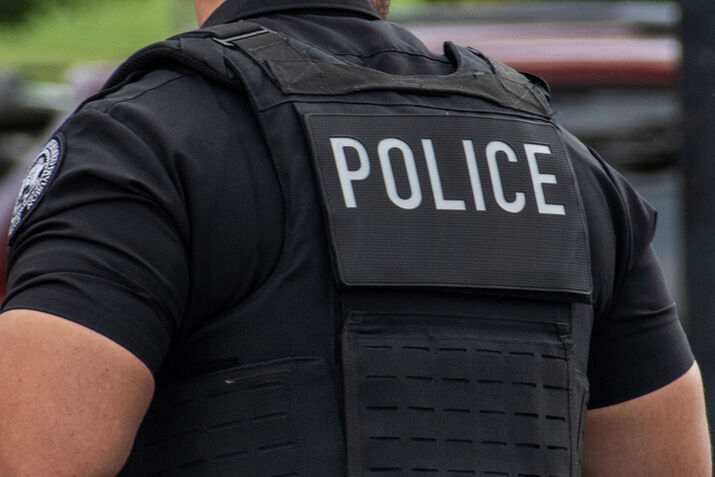
Know What It Means to “Initiate” a Prosecution
In civil rights law, initiating a prosecution means taking steps that cause criminal charges to be filed. That doesn’t require filing the charges yourself. It means the officer did something to directly set the case in motion.
Courts look at what the officer did, not just what role they had on paper. In the Bronx, that might include:
- Writing an arrest report that omits key facts
- Giving false information to a prosecutor
- Encouraging a witness to falsely identify a suspect
An officer doesn’t have to officially press charges to be liable. If their actions created the basis for the charges, that might be enough. The courts want to know who caused the prosecution to happen and why.
That’s especially important in fast-moving cases. Many Bronx prosecutors rely on what officers say in the early stages. That trust gives law enforcement serious power to shape outcomes.
Understand How Section 1983 Applies to NYPD Misconduct
Section 1983 is a federal civil rights law that allows people to sue public officials for violating their constitutional rights. In the context of criminal charges, that often means:
- Malicious prosecution
- False arrest
- Excessive force
In a malicious prosecution claim, the plaintiff must show that the officer initiated or caused the prosecution. That means it started with something the officer did. If that action was dishonest, reckless, or meant to target someone unfairly, it can lead to liability.
Many people assume only prosecutors are responsible for filing charges. But under Section 1983, police officers who contribute to an unjust prosecution may be held responsible if they played a central role.
In the Bronx, where many prosecutions begin with a single officer’s account, this legal pathway is critical for people who want justice after being wrongfully charged.
Identify the Actions That Can Lead to Officer Liability
Certain police actions increase the chances that a court will view the officer as having initiated the prosecution. These behaviors often lead to civil rights claims:
- Filing a report with false statements
- Leaving out facts that would help the defense
- Telling prosecutors there is probable cause when none exists
- Testifying before a grand jury while misrepresenting key details
- Pushing the case forward despite clear problems with the evidence
In one example, an NYPD officer might claim a person had a weapon, but surveillance footage shows otherwise. If the officer omits that footage or fails to mention inconsistencies in witness reports, and prosecutors file charges based on the officer’s version, that can count as initiation.
In Bronx precincts with high arrest volumes, some officers face pressure to close cases quickly. But when shortcuts result in harm to an innocent person, the law allows you to seek compensation.
Separate Lawful Reporting from Improper Initiation
Not every police report that leads to charges opens the door to a lawsuit. Officers are allowed to investigate crimes and document what they observe. But problems arise when they act with bad intent or leave out facts that could prevent charges.
The difference between lawful reporting and improper initiation often comes down to intent. Did the officer:
- Present the full picture?
- Include facts that supported your innocence?
- Make clear what they did and did not know?
If not, and the report slants the facts toward guilt, the officer may have initiated the prosecution in a way that violates your rights. Courts in New York recognize that officers have a duty to be honest, especially when their words trigger life-changing legal consequences.
In the Bronx, defense attorneys often see early reports that leave out key surveillance footage or fail to mention that the accused cooperated with police. Those omissions matter. They affect whether a case moves forward.
Examine How Courts View Initiation in New York
New York courts have consistently held that officers can be liable for initiating a prosecution when their conduct plays a direct role in the decision to charge.
Courts ask whether the officer’s behavior caused the case to proceed. That includes:
- Providing false information
- Pressuring witnesses
- Omitting exculpatory evidence
Even if the prosecutor technically filed the charges, the officer may still be liable if they created the foundation for that decision.
For example, in Manganiello v. City of New York, a federal court found that an NYPD detective who withheld evidence and pushed for prosecution despite weak facts could be held liable. Bronx judges often rely on these precedents when reviewing civil claims.
In these situations, the prosecution itself isn’t the issue. It’s the dishonest way the case started.
Recognize the Role of Grand Juries in the Bronx
A grand jury indictment can create challenges for your civil claim. That’s because it suggests that a group of citizens agreed there was probable cause. But that doesn’t end the analysis.
Indictments can be challenged if:
- The officer misled the grand jury
- The evidence was incomplete
- Key facts were withheld
Bronx prosecutors often rely on officers to present the case to the grand jury. If that testimony is misleading, and the officer had control over how the facts were framed, they can still be held liable for initiating the prosecution.
If your attorney can show that the officer failed to present important facts, such as alibi evidence or contradictory video footage, your civil case may survive despite the indictment.
Build the Record That Connects the Officer to the Charges
To prove officer-initiated prosecution, you need to build a strong factual record. That means tracing the charges back to their source.
Gather these documents:
- Arrest report
- Criminal complaint
- Witness statements
- Surveillance or body cam footage
- Grand jury transcript, if available
Your civil rights attorney will compare the officer’s written statements to video or independent accounts. They’ll also look for omissions and inconsistencies.
If the officer left out details that would have weakened the case or urged the prosecutor to move forward without full evidence, that strengthens your claim. These early documents can show whether the officer manipulated the process.
Use Malicious Prosecution Claims to Hold Officers Accountable
Initiation is only one piece of a malicious prosecution case. But it’s an essential one. Under Section 1983, you must show:
- The officer initiated or helped cause the prosecution
- There was no probable cause
- The case ended in your favor
- The officer acted with malice or improper purpose
Malice doesn’t mean personal hatred. It means the officer acted to harm you or push charges without legal justification. That can include retaliation, covering up a mistake, or targeting someone because they filed a complaint.
When all four elements come together, courts can award compensation for emotional distress, reputational damage, lost income, and punitive damages. Bronx residents wrongfully charged based on officer misconduct deserve that accountability.
Speak to a Bronx Civil Rights Attorney Early
Every wrongful prosecution starts with a decision. If that decision began with a dishonest report or misleading testimony, the officer responsible may be liable. But proving that takes careful legal work.
A Bronx civil rights lawyer can:
- Review your criminal file and gather key evidence
- Analyze whether the officer played an initiating role
- Preserve documents before they disappear
- Build a case based on clear violations of your rights
At Horn Wright, LLP, we know how NYPD patterns unfold. We’ve seen what goes wrong when officers cut corners or misuse their authority. If your case was dismissed or resolved in your favor, don’t wait. Talk to someone who can help you protect your rights and demand accountability.
Officers Who Set Unjust Charges in Motion Can Be Sued
Police officers in New York have a legal duty to be honest, complete, and fair when they contribute to a prosecution. When they break that duty, and someone faces criminal charges because of it, they can be held accountable.
Whether they lied, withheld facts, or pressured others to charge you, those actions matter. If your Bronx case ended in your favor and started with officer misconduct, you may have a valid civil rights claim. Our trusted legal team can help you take the next step.

What Sets Us Apart From The Rest?
Horn Wright, LLP is here to help you get the results you need with a team you can trust.
-
Client-Focused ApproachWe’re a client-centered, results-oriented firm. When you work with us, you can have confidence we’ll put your best interests at the forefront of your case – it’s that simple.
-
Creative & Innovative Solutions
No two cases are the same, and neither are their solutions. Our attorneys provide creative points of view to yield exemplary results.
-
Experienced Attorneys
We have a team of trusted and respected attorneys to ensure your case is matched with the best attorney possible.
-
Driven By Justice
The core of our legal practice is our commitment to obtaining justice for those who have been wronged and need a powerful voice.