


What Happens When Police Claim You Reached for a Weapon
Understanding Police Allegations, Use of Force Claims, and Your Legal Rights
People across the Bronx search for answers after police say they reached for a weapon. That single claim can reshape an arrest and pull someone into the criminal justice system before they understand what is happening. Civil rights issues often surface in these cases, which is why many people turn to experienced Bronx wrongful shooting lawyers to understand how these accusations unfold and what protections the law still provides.
After an arrest, one sentence in a police report can change everything. If an NYPD officer says you “reached for a weapon,” that accusation can turn a routine stop into a serious criminal case. Maybe you moved to steady yourself. Maybe you were trying to comply. Maybe there was no weapon at all. Once the claim appears in a report, the pressure builds quickly and it rarely slows down on its own.
The Serious Weight of the Accusation
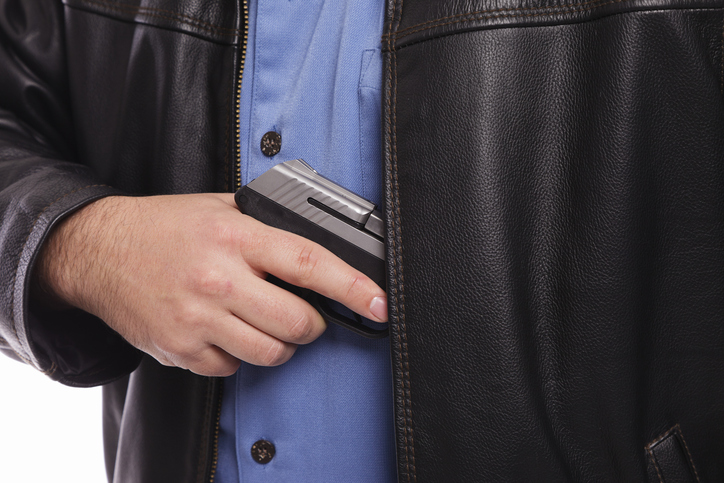
When police claim you reached for a weapon, the accusation carries immediate legal gravity. Officers may describe the movement as threatening even when no weapon is recovered. That description alone can justify force and elevate charges.
In the Bronx, where street encounters often happen under stress, police reports frequently rely on short phrases like “reached toward waistband.” Courts and prosecutors treat those words seriously. They assume danger first and ask questions later.
The accusation reshapes the case before you speak. It frames the officer’s actions as defensive. It places you in a position where you must disprove a claim that may rest on seconds of perception.
Immediate Consequences After the Claim
Once police make this allegation, the legal process accelerates. You may face additional charges such as resisting arrest or attempted assault on an officer. These charges can appear even if no weapon existed.
Processing through precincts or Bronx Criminal Court relies heavily on the officer’s written account. That account becomes the foundation for bail decisions and charging choices. Prosecutors often point to the allegation to argue that the situation involved risk to police safety.
The practical result is fast escalation. Higher bail requests. Fewer options at arraignment. Increased pressure before evidence is fully reviewed.
How Prosecutors Treat These Allegations in the Bronx
Bronx prosecutors approach “reaching for a weapon” claims with caution that favors law enforcement. They usually assume the officer acted out of fear. That assumption influences every step that follows.
Cases tied to alleged threats against officers tend to move on a stricter track. Plea offers may come early and feel inflexible. Bail conditions may become more restrictive. Prosecutors often rely on police credibility unless strong contradictory evidence appears.
This approach reflects volume and policy, not necessarily truth. The Bronx court system moves quickly. Without immediate advocacy, the narrative can harden before your side enters the record.
Your Statement Versus the Officer’s Account
In criminal court, the officer’s version often carries more weight than a defendant’s denial. Judges see police testimony daily. That familiarity shapes how evidence gets evaluated.
Body camera footage can help, but it is not guaranteed to exist or capture everything. Angles may be blocked. Audio may cut out. Sometimes footage is unavailable unless requested quickly.
Without independent proof, courts often rely on the officer’s description. This makes early evidence preservation critical. Delay can mean losing the chance to challenge the account effectively.
Evidence That Can Support a Defense
Challenging a false or exaggerated claim requires objective evidence. In the Bronx, that evidence often exists but disappears quickly if no one acts.
Useful sources may include:
- Surveillance footage from nearby businesses or apartment buildings
- MTA camera footage from buses or stations
- Witness statements from people who saw the encounter
- Medical records that contradict the reported use of force
- Police radio transmissions that reveal timing inconsistencies
Neighborhoods with dense commercial corridors often have extensive camera coverage. Those recordings may clarify movements that were misinterpreted in the moment.
Intent and Police Perception
Prosecutors focus on what officers believed they saw, not solely on what actually happened. The law allows officers to act on perceived threats if those fears appear reasonable.
Courts often examine objective reasonableness when evaluating these encounters. Standards developed in federal case law guide how judges assess whether an officer’s reaction aligns with constitutional limits. The U.S. Department of Justice outlines these principles when reviewing police use of force under federal civil rights standards.
Your intent still matters, but it competes with the officer’s claimed perception. That tension sits at the center of many Bronx cases involving weapon allegations.
Civil Rights Issues and Bronx Policing
Claims of reaching for a weapon often intersect with broader civil rights concerns. Community groups in the Bronx have long questioned how certain phrases appear repeatedly in arrest reports to justify force.
Oversight bodies and civil rights investigations review patterns where police descriptions lack supporting evidence. These reviews draw on constitutional protections enforced through federal law and guidance from agencies.
The issue is not isolated incidents. It reflects how systems evaluate credibility and accountability when force is used during street encounters.
What Helps During Police Encounters
No one plans for a police confrontation. Fear and confusion affect how people move and speak. Still, certain actions can reduce misunderstanding.
Helpful practices include:
- Keeping hands visible at all times
- Moving slowly and deliberately
- Verbally explaining any movement before reaching
- Asking clear questions about detention status
Avoid sudden motions. Avoid reaching without explanation. Even small actions can be misread during tense encounters.
Long-Term Impact of the Accusation
Even when charges are dismissed, the allegation may linger. Arrest records can appear in background checks. Housing applications may stall. Employment opportunities may shrink.
Weapon-related allegations also affect immigration status and firearm rights. Clearing the charge does not always erase the record. Additional legal steps may be required to seal or expunge it.
This is why early legal strategy matters. The consequences extend far beyond the courtroom.
How Attorneys Challenge These Claims
Effective defense focuses on evidence, timing, and legal standards. Attorneys challenge the narrative by testing every assumption in the police account.
This includes examining how courts apply objective reasonableness, addressing qualified immunity arguments, and using scene reconstruction to clarify what actually occurred.
In some cases, civil litigation becomes part of the response, especially when force resulted in serious injury. Understanding whether excessive force occurred without body camera footage can shape both criminal defense and civil rights strategies.
Get Clear Guidance Before a Police Claim Defines Your Case
When police claim you reached for a weapon, the legal stakes rise immediately. In the Bronx, these cases move fast and rely heavily on police narratives unless challenged early. Understanding your rights and the legal standards that apply can protect you from long-term harm. If questions remain about next steps or legal options, get information from a qualified legal team to help clarify your path forward.

What Sets Us Apart From The Rest?
Horn Wright, LLP is here to help you get the results you need with a team you can trust.
-
Client-Focused ApproachWe’re a client-centered, results-oriented firm. When you work with us, you can have confidence we’ll put your best interests at the forefront of your case – it’s that simple.
-
Creative & Innovative Solutions
No two cases are the same, and neither are their solutions. Our attorneys provide creative points of view to yield exemplary results.
-
Experienced Attorneys
We have a team of trusted and respected attorneys to ensure your case is matched with the best attorney possible.
-
Driven By Justice
The core of our legal practice is our commitment to obtaining justice for those who have been wronged and need a powerful voice.