


What Happens When Police Claim You “Resisted” Before the Shooting
Understanding How Resistance Allegations Shape Police Shootings
When someone gets shot by police, the public rarely hears the full story right away. The first official statements usually mention one phrase: "The individual resisted arrest." That one line sets the tone. It shifts focus away from the shooting itself and onto the victim's behavior. In the Bronx, this narrative shows up far too often. Families are left confused, scared, and desperate for answers.
At Horn Wright, LLP, our Bronx civil rights lawyers understand how quickly NYPD officers use terms like "resisting" to justify force, even deadly force. If you or someone you love has been harmed in this way, we’re here to investigate every detail, demand accountability, and help you regain control over the situation.
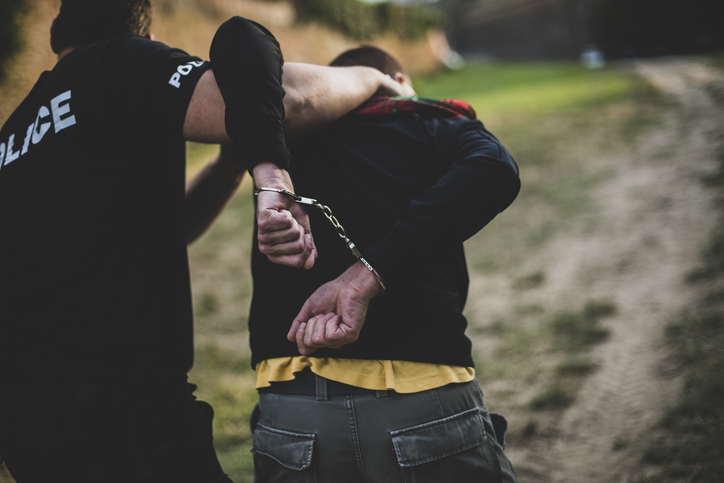
Police Violence in the Bronx: A Pattern That Hits Close to Home
Police shootings don’t just happen in the headlines. They happen on East 174th Street. They happen near the Soundview Houses. They happen late at night when someone is walking home from a friend’s place or early in the morning as someone heads to work. These shootings feel sudden, but the warning signs have been here.
In the Bronx, many residents live in areas heavily patrolled by the NYPD’s 43rd and 47th Precincts. These precincts rank high in the number of force complaints filed against officers. When violence happens, those same officers often claim the person who was shot resisted arrest. That language carries weight. It appears in police reports, press releases, and courtroom testimony. But what does it actually mean?
What ‘Resisting Arrest’ Really Means Under New York Law
New York Penal Law § 205.30 defines resisting arrest as intentionally preventing an officer from making a lawful arrest. But that word "resisting" gets stretched in practice. It doesn’t always involve violence or threats. Sometimes, it means pulling away. Other times, it means asking, "Why am I being arrested?" or not moving quickly enough.
Officers don’t need to prove much to claim someone resisted. In the Bronx, that creates serious risks. In neighborhoods like Hunts Point or Fordham, where police presence is high and trust is low, simple confusion or fear can spiral into accusations of resistance.
Here’s what does not qualify as resisting under the law:
- Staying silent or refusing to answer questions
- Requesting a lawyer before speaking
- Being confused or afraid during the encounter
- Moving slowly or appearing unsure
Yet these actions often get reported as "noncompliance," and from there, things can turn fast.
How Officers Justify Force When They Say You ‘Resisted’
Once a person is labeled as resisting, everything changes. Officers are trained to escalate force when they perceive a threat or defiance. In practice, that can mean grabbing someone, slamming them to the ground, or drawing a weapon. If things escalate further, shots may be fired.
The NYPD’s Force Investigation Division reviews these shootings. Often, they rely on officer statements and body cam footage. But the justification typically rests on the same vague descriptions:
- "The suspect reached toward their waistband."
- "The individual ignored repeated commands."
- "The subject took a fighting stance."
These phrases show up repeatedly in reports. They allow room for interpretation. That’s why so many families hear the same story, even when circumstances differ.
In the Bronx, particularly near areas like Pelham Parkway or Castle Hill, police encounters can become high-tension quickly. Officers assume resistance, then use it to defend whatever action follows. That includes deadly force. These narratives are often central to qualified immunity defenses in court.
Surveillance Footage, Eyewitnesses, and Body Cameras: What Really Tells the Story
In the past, people had to rely on official accounts. Now, video tells its own story. Surveillance cameras outside bodegas, body-worn cameras on officers, and bystander cell phones can challenge the police version of events.
Footage from Bronx streets has helped families and attorneys piece together what actually happened. Sometimes, it reveals that the person had their hands up. Other times, it shows the officer shouting commands that conflict with each other. In many cases, video contradicts claims that someone was being violent or threatening.
Eyewitnesses also play a critical role. They may have seen what the officer didn’t mention, that the person was backing away, not moving forward. Or that no commands were given before the shooting.
Even with video, however, access isn’t always immediate. NYPD may delay releasing body cam footage. And when it does become available, it may be edited or incomplete. That’s why securing independent video and witness statements early makes a difference.
What Happens to Families After a Police Shooting in the Bronx
For loved ones, the aftermath brings shock, anger, and overwhelming loss. Most families don’t get clear answers. They might find out about the shooting from a phone call, not from police. Then, hours or even days may pass before they learn where their loved one was taken or what their condition is.
Hospitals like Jacobi Medical Center or Lincoln Hospital often receive victims of police shootings. Staff may not release information right away. Meanwhile, the NYPD holds press briefings that often suggest the person brought the incident on themselves.
These statements can feel like blame. Families grieve while watching the media repeat phrases like "the individual resisted" or "posed a threat."
Without guidance, families may not know:
- Whether an investigation has begun
- How to request body cam footage
- Who to contact for legal help
- What rights they have as next of kin
The emotional toll combines with legal confusion, making an already devastating event even harder to face.
Investigations and Accountability: What Really Happens Next
After a police shooting, multiple agencies might get involved. The Civilian Complaint Review Board (CCRB) may open a case. The Internal Affairs Bureau (IAB) might investigate officer conduct. And the Bronx District Attorney’s Office could choose to file charges. But none of this is guaranteed.
Investigations often hinge on how the NYPD frames the initial report. If they say someone resisted, that claim influences how every agency approaches the case. Without solid video or public pressure, accountability tends to stall.
Some outcomes include:
- Officers being cleared of wrongdoing within weeks
- Families never hearing back from CCRB
- No disciplinary action, even in cases involving death
The Bronx has seen cases where officers returned to duty while families waited months just to get basic answers.
Can You Fight a ‘Resisting’ Charge After a Police Shooting?
Yes, but it takes strong legal support. If someone survives a shooting and faces a resisting arrest charge, they must fight not only the criminal allegation but the broader narrative. Courts often defer to officer testimony unless there's strong evidence to counter it.
Bronx public defenders regularly challenge these charges. They dig into the details, officer histories, body cam timing, dispatch logs, to expose contradictions. Still, the burden often falls on the injured person to prove they didn’t resist.
This can feel backwards, especially when someone was hurt or traumatized. But resisting charges can carry serious consequences:
- Fines
- Jail time
- A permanent criminal record
- Barriers to employment or housing
Even if charges are dropped later, the damage lingers. That’s why timely legal help is so important. And in many cases, the original use of force is challenged as excessive or unjustified.
Why These Claims Often Silence Victims and Bystanders
Fear runs deep. People who witness police shootings in the Bronx often stay silent. They’re afraid of retaliation, of being followed home, or of getting arrested themselves. Others simply believe that nothing they say will matter.
NYPD officers have wide authority. They can stop someone, search them, and hold them for hours without charge. That power makes people cautious. It’s not uncommon for witnesses to disappear after a shooting.
Groups like Bronx Defenders and the Justice Committee work to change that. They support residents who want to speak out but don’t know how. They help people report misconduct without putting themselves at risk.
Still, silence protects the official narrative. And when the narrative says, "He resisted," there’s rarely anyone left to say otherwise. Some of these cases involve claims that the person reached for something or had a weapon, which increases public fear and decreases scrutiny.
How Local Policies and Police Culture Shape These Incidents
Policing in the Bronx didn’t arrive at this point overnight. Years of aggressive enforcement shaped it. Stop-and-frisk may have officially ended, but its mindset lives on. Officers still focus on high-volume stops, especially in neighborhoods like Mott Haven and Wakefield.
NYPD culture rewards action. That often means making arrests, issuing tickets, and asserting control. Officers who hesitate may be seen as weak. Those who push hard get praised. This creates a climate where any resistance, real or imagined, becomes a green light to act forcefully.
At the same time, oversight struggles to keep up. Even when misconduct gets reported, discipline can take years. In the meantime, the officer remains on the street, and the community grows more distrustful.
Civilian complaints rarely lead to termination or suspension, adding to public concern about true accountability.
Your Rights in Any Police Encounter in the Bronx
Knowing your rights won’t guarantee safety, but it gives you tools. If you get stopped by police in the Bronx, you should keep calm and remember the following:
You can:
- Ask if you are free to leave
- Refuse to consent to a search
- Stay silent beyond identifying yourself
- Record the interaction if you don’t interfere
You should avoid:
- Making sudden movements
- Arguing or raising your voice
- Physically pulling away or swatting hands
Always ask why you’re being stopped. Stay still and speak clearly. If things go wrong, the way you behaved could help your case later.
Get the Support You Deserve After a Police Shooting in the Bronx
When police claim someone resisted before a shooting, the truth often gets buried. If you or someone you care about has been affected, understanding your rights and next steps matters. The attorneys at Horn Wright, LLP, are ready to stand with you. Our team is available to listen, guide, and help you assert your rights without delay. Use our contact form to reach out and take the first step forward today.

What Sets Us Apart From The Rest?
Horn Wright, LLP is here to help you get the results you need with a team you can trust.
-
Client-Focused ApproachWe’re a client-centered, results-oriented firm. When you work with us, you can have confidence we’ll put your best interests at the forefront of your case – it’s that simple.
-
Creative & Innovative Solutions
No two cases are the same, and neither are their solutions. Our attorneys provide creative points of view to yield exemplary results.
-
Experienced Attorneys
We have a team of trusted and respected attorneys to ensure your case is matched with the best attorney possible.
-
Driven By Justice
The core of our legal practice is our commitment to obtaining justice for those who have been wronged and need a powerful voice.