


What to Expect in a Bronx Wrongful Shooting Lawsuit: Discovery to Trial
A Step-by-Step Guide for Families Seeking Justice
Wrongful shooting cases carry a heavy emotional and legal weight. When someone is hurt or killed by gunfire that never should have happened, families in the Bronx face a long road toward accountability. These lawsuits aren’t easy. They require patience, clear evidence, and the ability to stand firm through months or even years of legal steps. But if you’re here, you might already know that pain. You might be asking what comes next.
If you’re looking for a Bronx NY wrongful shooting lawyer, understanding the legal path ahead can make the journey feel more manageable. Knowing what to expect gives you the power to prepare and the clarity to focus on your next steps.
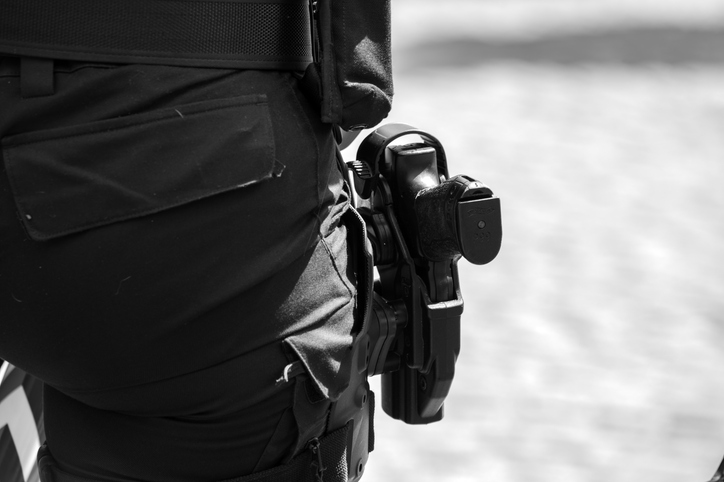
Understanding a Wrongful Shooting Case in the Bronx
In the Bronx, wrongful shooting cases often stem from either police use of force or negligent gun use by security personnel or individuals. These lawsuits focus on showing that the shooting wasn’t legally justified. For Bronx residents, the legal process usually begins after a tragic incident in areas like Soundview, Fordham, or the South Bronx, where tensions between communities and law enforcement run high.
This type of civil case is about holding the responsible party financially accountable. In some cases, the city itself may be the defendant, especially if the shooter was a member of the NYPD.
A wrongful shooting claim must prove that the shooter acted outside the law, and that harm (physical, emotional, or financial) followed. That means facts matter. Witnesses matter. Medical records matter. Everything starts with building the story from the ground up.
The Initial Lawsuit Filing: Starting the Legal Process in the Bronx
Filing the lawsuit is the first formal step. In Bronx wrongful shooting cases, your attorney will draft and file a complaint with the Bronx Supreme Court. That’s located at 851 Grand Concourse, a courthouse that sees thousands of civil filings every year.
The complaint outlines what happened, who’s responsible, and why the court should step in. It must be detailed, but also strategic. Once it’s filed, the defendant gets served and has a chance to respond. From there, the real process begins.
Key actions at this stage include:
Drafting the initial complaint and supporting documents
Filing through the Bronx County Clerk’s Office
Serving legal notice to the defendant
Waiting for the formal response (usually within 30 days)
The early filings set the tone for what comes next. Mistakes here can create setbacks, so each word matters.
The Discovery Phase: Sharing the Evidence
Discovery is where the case starts to take shape. During this stage, both sides gather and share evidence that supports their version of events. In Bronx wrongful shooting lawsuits, this step often uncovers key facts that weren’t available at the time of the shooting.
You might see evidence pulled from sources like:
NYPD body-worn camera footage
Surveillance video from Bronx apartment buildings or corner stores
Medical records from Lincoln Hospital or BronxCare Health System
Eyewitness statements collected by investigators
Internal police reports or disciplinary histories
This phase can take months. Attorneys send out formal requests and push to get everything relevant. If the other side refuses to hand over evidence, they can ask the court to intervene. Strong cases often come down to what gets uncovered here. In some instances, discovery leads to early settlement talks. In others, it sharpens the fight ahead.
This stage also plays a crucial role in cases involving notice of claim rules when NYC is named as a defendant.
Depositions: Giving Sworn Testimony
Depositions are structured interviews where witnesses, plaintiffs, and sometimes even the defendants give testimony under oath. They're recorded, often in conference rooms at law offices or neutral sites in neighborhoods like Riverdale or Concourse Village.
The goal? To lock in stories and uncover new angles. Attorneys ask questions, sometimes for hours. You’ll likely be asked to recount what happened, how it affected you, and what you've experienced since. The defense might push hard, looking for inconsistencies or anything they can use later.
Depositions may involve:
Family members recounting the event and aftermath
Medical providers explaining injuries
Police officers giving their account
Experts offering technical insight
These sessions don’t happen in court, but they carry weight. Testimony given here can be used during trial to challenge someone’s credibility or show contradictions.
Expert Witnesses: Proving What Happened
In most Bronx wrongful shooting cases, expert witnesses play a big role. Their job is to explain things to a jury that the average person wouldn’t know. Whether it’s about firearms, medical trauma, or police tactics, their input helps build clarity.
Typical experts in these cases include:
Ballistics analysts who review weapon discharge and bullet paths
Emergency room doctors from local hospitals
Use-of-force experts familiar with NYPD policy
Psychologists assessing trauma
Your attorney will work closely with these professionals to prepare reports and testimony. The defense will likely bring their own. Each side will question the other's experts, trying to expose flaws or bias. How convincing your experts are can directly affect how a jury sees the truth.
Motions and Hearings: Pre-Trial Court Battles
Before trial, lawyers argue legal issues in court. These pre-trial motions shape what evidence comes in, whether the case moves forward, and sometimes, whether it ends entirely.
In the Bronx, these hearings take place in front of a civil judge who may rule on:
Motions to dismiss the case
Motions to suppress evidence
Requests to limit or expand discovery
Summary judgment (asking the court to decide without a trial)
Sometimes, these motions are straightforward. Other times, they become long, drawn-out legal fights. But they’re critical. A successful motion can strengthen your case or weaken it. Judges at the Bronx Supreme Court handle these matters daily, and their decisions can reshape the case completely.
Settlement Talks: Resolving Without a Trial
Many wrongful shooting cases settle before reaching trial. Settlements allow both sides to avoid the risk of an unpredictable jury. In Bronx cases, settlements often involve the city when NYPD officers are defendants. These discussions might happen in formal mediation sessions or directly between attorneys.
What affects a potential settlement?
The strength of the evidence uncovered
Public pressure, especially in high-profile shootings
The willingness of defendants to avoid court
The damages suffered by the victim or their family
Understanding what happens after a civil rights shooting settlement can help families prepare for the next chapter.
Trial in the Bronx: Presenting Your Case to a Jury
If settlement fails, the case heads to trial at Bronx Supreme Court. Trials are public, emotional, and demanding. They bring the entire story into full view, step by step.
Here’s what to expect:
Jury selection from Bronx residents, ensuring local perspectives
Opening statements that lay out your story
Witnesses taking the stand, some from your side, others from theirs
Expert testimony and visual evidence (photos, videos, medical charts)
Cross-examination, where each side challenges the other’s version
Closing arguments and instructions from the judge
Jury deliberation behind closed doors
Trials in the Bronx often reflect community values. Jurors bring their lived experience into the room, which can influence how they view force, fear, and fairness. That local lens matters.
This part of the legal journey often builds on earlier work, including insight into proving excessive force without bodycam evidence.
The Verdict and Possible Appeals
Once the jury reaches a decision, the verdict is read in court. If the plaintiff wins, the jury may award damages for pain, suffering, lost income, medical bills, or funeral costs. If the defense wins, the case ends there unless an appeal follows.
Appeals in wrongful shooting cases usually go to the Appellate Division: First Department. That court reviews whether the trial was fair, whether the law was applied correctly, and whether any rights were violated. It does not re-hear evidence. Appeals can take months or longer, and while they offer a second chance, they’re also complex.
Families should also be aware of deadlines for wrongful shooting claims in New York to preserve their right to appeal.
After the Case: What Families Can Expect
When the case ends, families often feel a mix of relief, grief, and uncertainty. Even with a favorable verdict or settlement, life doesn’t snap back to normal.
Some things to expect:
Timeframes for receiving payment if damages are awarded
News coverage or public reactions, especially in high-profile Bronx cases
Possible follow-up actions from city agencies or police oversight boards
Families may still face emotional fallout. Counseling, time off work, and continued care for physical injuries may remain part of daily life. While legal justice brings recognition, personal healing takes longer.
Moving Forward with Help in the Bronx
Wrongful shooting lawsuits test families. They demand strength, patience, and a willingness to face painful details again and again. But with the right legal support, Bronx residents can pursue justice, demand answers, and push for accountability.
For those ready to take the next step, speaking directly with a legal team can make a difference. You can reach out through our contact form to learn how the process might apply to your case.

What Sets Us Apart From The Rest?
Horn Wright, LLP is here to help you get the results you need with a team you can trust.
-
Client-Focused ApproachWe’re a client-centered, results-oriented firm. When you work with us, you can have confidence we’ll put your best interests at the forefront of your case – it’s that simple.
-
Creative & Innovative Solutions
No two cases are the same, and neither are their solutions. Our attorneys provide creative points of view to yield exemplary results.
-
Experienced Attorneys
We have a team of trusted and respected attorneys to ensure your case is matched with the best attorney possible.
-
Driven By Justice
The core of our legal practice is our commitment to obtaining justice for those who have been wronged and need a powerful voice.