


Bronx, NY Excessive Force Attorneys
If you or someone you care about has experienced police excessive force in the Bronx, you're probably overwhelmed. You might be hurt, confused, angry, or all of the above. You might not even be sure what your rights are or what you should do next. That’s completely normal.
At Horn Wright, LLP, we help people in your exact situation. Our Bronx excessive force attorneys represent clients throughout the Bronx who’ve been mistreated by law enforcement. Our civil rights team understands the toll these cases take. We can help you hold the NYPD accountable while protecting your legal rights every step of the way.
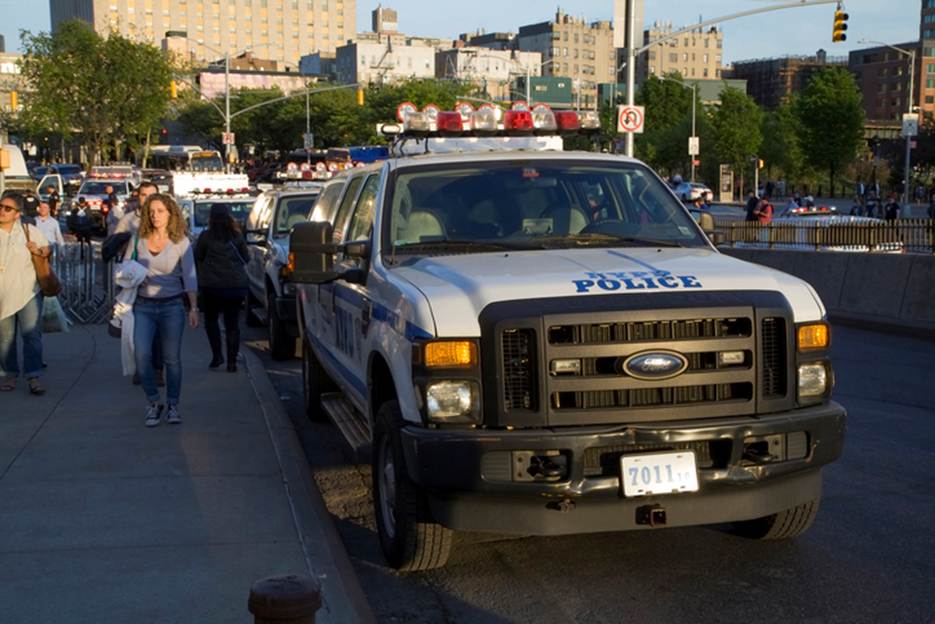
When Cops Go Too Far: What the Law Really Says About “Excessive Force”
Excessive force happens when a police officer uses more physical force than the situation calls for. Under the Fourth Amendment of the U.S. Constitution, law enforcement is only allowed to use "reasonable" force when detaining or arresting someone. What’s reasonable? That depends on the facts: the severity of the alleged crime, whether the person posed a threat, and whether they were resisting arrest.
But when officers go too far, like striking someone already in cuffs, using tasers on someone who isn’t resisting, or slamming someone to the ground during a traffic stop it crosses the legal line.
Excessive force is a violation of your civil rights. And it’s not just about being roughed up. Force cases often involve real, lasting injuries, broken bones, nerve damage, emotional trauma. The legal system recognizes that, and it provides a way for people to seek justice.
Just Got Hurt by the NYPD? Here’s What to Do Right Now
After police violence, you might feel disoriented or even afraid to seek help. But what you do in the first few hours and days can make a big difference. Here are critical steps to protect your case and your health:
- Get medical care right away. Even if you think your injuries are minor, get checked out. Documenting injuries early is key to both healing and proving what happened.
- Photograph your injuries. Take clear, well-lit photos from multiple angles. Continue documenting your injuries over time.
- Write down everything you remember. Details fade fast. Record everything, names, badge numbers, what was said, where it happened.
- Find witnesses and preserve evidence. If anyone saw the incident, get their contact info. Preserve video if possible, this includes surveillance footage, body cam, or dash cam video.
- Do not alter or delete anything. Don’t edit photos or delete social media posts. Keep everything as-is. Your records could become key evidence.
From Batons to K-9 Bites: How Bronx Police Cross the Line
We’ve seen excessive force show up in many forms across the Bronx. Some scenarios are sadly too familiar:
- Handcuff injuries: When cuffs are applied too tightly or left on too long, they can cause permanent nerve damage.
- Traffic stops: A minor violation shouldn’t end in violence. Force during routine stops must be justified.
- Stop-and-frisk encounters: Many residents are stopped without cause and subjected to force during a pat-down.
- Domestic call responses: Emotions run high, but that doesn’t give officers permission to use unnecessary physical control.
- Protest incidents: Peaceful demonstrators are sometimes struck with batons or sprayed with OC spray.
- Use of K-9s, tasers, or batons: Each of these tools can be lawful, when used appropriately. But many cases show misuse.
- Children and minors: Force used on minors must account for their size, age, and vulnerability. Sadly, that doesn’t always happen.
Whether your case involves a take-down that led to back injuries, or a baton strike that caused a concussion, what matters is whether the officer’s force was reasonable under the circumstances.
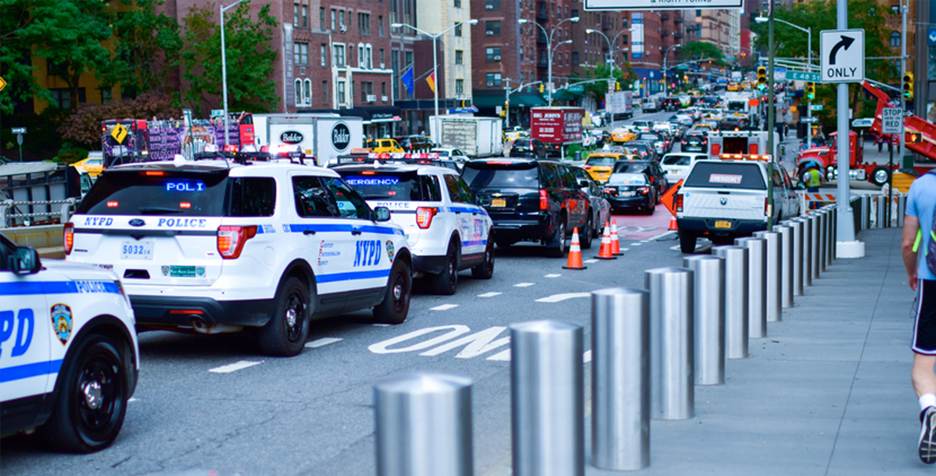
What Wins Bronx Force Cases and What Destroys Them
Civil rights claims aren’t just about telling your story. They’re about building a legal case. And that requires evidence, lots of it.
Strong excessive force cases in the Bronx tend to have:
- Clear medical records. Emergency room visits, follow-up treatment, physical therapy notes, they all help tie your injuries to the incident.
- Unedited video footage. Body cam, dash cam, or surveillance video can confirm or contradict the officer’s account.
- Witness statements. Neighbors, bystanders, even other arrestees can be powerful voices.
- Detailed photographs. Pictures of bruises, lacerations, or swelling speak volumes.
- 911 and dispatch audio. These recordings help establish timeline and threat level.
But building a record isn’t always easy. Sometimes body cam footage goes missing. Sometimes officer reports don’t match the physical evidence. That’s when our team digs deeper, requesting NYPD disciplinary records, CCRB complaints, and other discoverable materials.
You should also be aware that the NYPD may claim you were "resisting arrest" to justify the use of force. That’s a common defense. But if the evidence shows you were compliant—or if the force used far exceeded the level of resistance, that argument can fall apart quickly.
The Civil Rights Law That Lets You Sue the NYPD
Most excessive force lawsuits are filed under 42 U.S. Code §1983, a federal law that allows individuals to sue state actors (including police officers) for violating constitutional rights.
These claims typically include:
- Excessive force under the Fourth Amendment
- Failure to intervene (if other officers stood by and allowed it to happen)
- Denial of medical care (when officers ignore serious injuries or delay treatment)
- Monell claims (against NYC for patterns, policies, or training failures that led to the abuse)
You can also sue supervisors in limited situations, but you have to show they knew about the misconduct and failed to act.
Section 1983 lawsuits are powerful tools. They allow victims to seek money damages for physical injuries, emotional distress, lost income, and more.
Qualified Immunity: The Legal Shield That Tries to Block Justice
Qualified immunity is a legal defense that protects officers from personal liability—unless they violated a “clearly established” right. It’s a hurdle in every force case, but not an impossible one.
If the facts show that any reasonable officer would’ve known their actions were excessive, courts can deny qualified immunity. Prior court rulings, especially in the Second Circuit (which covers New York), play a big role in that determination.
This is one of the most complex parts of any case. That’s why experienced civil rights attorneys dig into legal precedents, fact patterns, and prior NYPD conduct to show why immunity doesn’t apply.
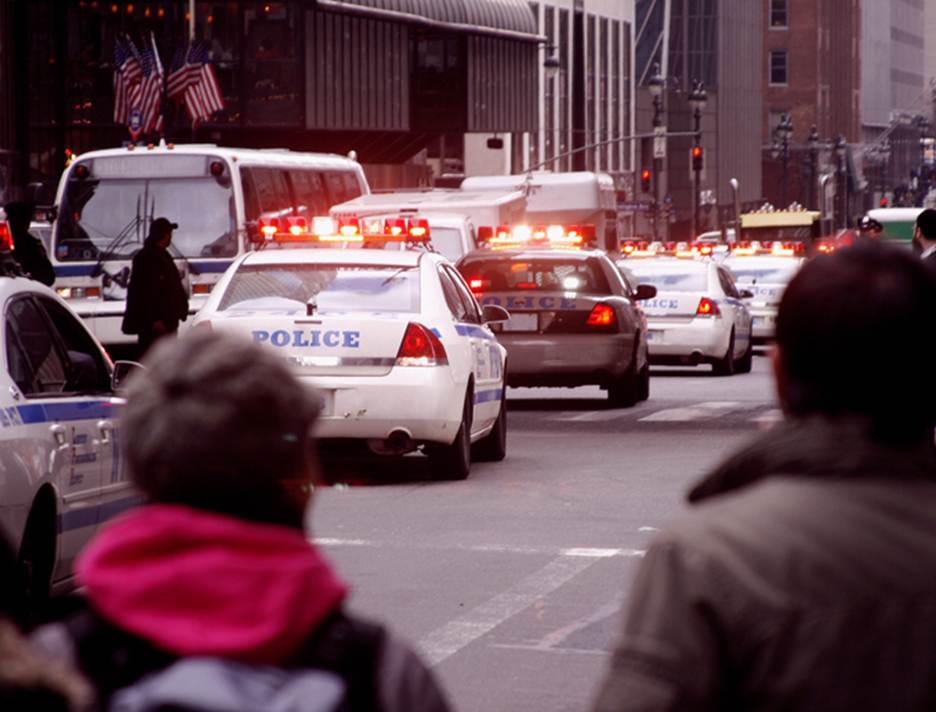
Left to Suffer: When Ignoring Injuries Becomes a Lawsuit
After the use of force, you have a right to prompt medical attention. If officers delay care, ignore serious symptoms, or refuse to get help for you, that can form the basis for a separate claim.
This happens more than you might think, especially in jail settings or during transport. Even EMTs sometimes defer to officers who downplay injuries.
You may have a valid claim if:
- You repeatedly asked for care but were ignored
- Obvious injuries went untreated
- You were denied medications or urgent treatment in custody
These claims fall under the Due Process Clause or the Eighth Amendment, depending on the context.
Deadlines That Could Kill Your Case If You Miss Them
Civil rights lawsuits follow strict timelines. In most Bronx excessive force cases, you need to:
- File a Notice of Claim within 90 days if you’re suing the City of New York or the NYPD
- File your lawsuit within 1 year and 90 days of the incident under state law
- Meet federal deadlines under Section 1983, typically 3 years
Missing these deadlines can bar your case entirely.
Once the lawsuit begins, expect several stages:
- Filing the complaint
- Discovery (where both sides exchange evidence)
- Depositions (where witnesses give sworn testimony)
- Motions (often about qualified immunity or dismissing claims)
- Settlement negotiations or trial
Cases can take months or even years to resolve. But with a strong record and determined representation, many do settle favorably before trial.
What You Can Get Paid For: Medical Bills, Trauma, and More
Civil rights lawsuits give survivors of excessive force a path to financial recovery. But compensation isn’t just about money, it’s about acknowledging pain, restoring dignity, and helping you rebuild your life after a traumatic experience. Victims in the Bronx can pursue damages for both concrete economic losses and harder-to-measure emotional wounds.
Medical Bills
Often the starting point. Whether you visited a Bronx emergency room, needed imaging like MRIs, or required long-term physical therapy, you can demand repayment for those expenses. Even future medical costs, like surgeries or chronic injury treatment, can be factored into a damages calculation.
Lost Wages
Another key piece. If you missed work because of your injuries or were physically unable to return to your job, your civil rights lawsuit can include compensation for income lost during recovery. In some cases, victims suffer permanent disability or psychological trauma that limits their ability to work at all. That’s when claims for future lost earning potential come into play.
Pain and Suffering
These damages cover the physical agony caused by excessive force, broken bones, nerve damage, soft tissue injuries, and the long-term effects that come with them. These aren't just about discomfort; they’re about the real day-to-day challenges your injuries create, whether that’s sleeping with pain or being unable to lift your child.
Emotional Distress
Covers the psychological side: anxiety, PTSD, humiliation, fear of law enforcement, and the long-term mental strain that lingers. Many survivors experience flashbacks, panic attacks, or social withdrawal after a violent police encounter. Courts recognize this as legitimate harm.
In rare but especially outrageous cases, courts may award punitive damages. These are meant to punish officers or the department when the conduct was particularly brutal, malicious, or reckless. While not awarded in every case, punitive damages send a powerful message that certain behavior crosses a moral and legal line.
Ultimately, compensation isn’t just about dollars. It’s about giving you the resources to heal, and the recognition that what happened to you was wrong. That’s why your case has to be built carefully, piece by piece, with the evidence to back every claim.
Filing a Force Lawsuit in the Bronx Is Tough, But Survivors Win
These cases are hard. The legal system can feel stacked against victims. And police departments fight back hard. But if you’ve been harmed by NYPD force in the Bronx, you don’t have to take it lying down.
With the right legal team, you can stand up for your rights, recover damages, and maybe even prevent it from happening to someone else.
Talk to Horn Wright, LLP, and Let’s Hold the NYPD Accountable
At Horn Wright, LLP, we’ve handled force cases from stop-and-frisk incidents to wrongful taser use and beyond. We know how the NYPD operates, and how to challenge them. If you or a loved one suffered from police violence, let’s talk.
We’ll walk you through your options and start building a strategy to seek justice.

What Sets Us Apart From The Rest?
Horn Wright, LLP is here to help you get the results you need with a team you can trust.
-
Client-Focused ApproachWe’re a client-centered, results-oriented firm. When you work with us, you can have confidence we’ll put your best interests at the forefront of your case – it’s that simple.
-
Creative & Innovative Solutions
No two cases are the same, and neither are their solutions. Our attorneys provide creative points of view to yield exemplary results.
-
Experienced Attorneys
We have a team of trusted and respected attorneys to ensure your case is matched with the best attorney possible.
-
Driven By Justice
The core of our legal practice is our commitment to obtaining justice for those who have been wronged and need a powerful voice.