


Failure-to-Intervene Claims in Bronx Excessive Force Cases
Your Rights When Officers Stay Silent
During a police encounter, most people assume that if one officer crosses the line, others will step in. But that doesn't always happen.
In many excessive force cases, someone is injured while nearby officers say nothing and do nothing. Under New York and federal law, that inaction may violate your civil rights. Officers who stand by while another officer uses unlawful force can be held accountable through what’s called a failure-to-intervene claim.
If this happened to you, our dedicated bronx civil rights attorneys at Horn Wright, LLP, are here to help. Our team focuses on cases involving police abuse, including when officers fail to protect people in custody. You have the right to be treated with basic dignity and safety, and when that right is ignored, we’re ready to fight for you.
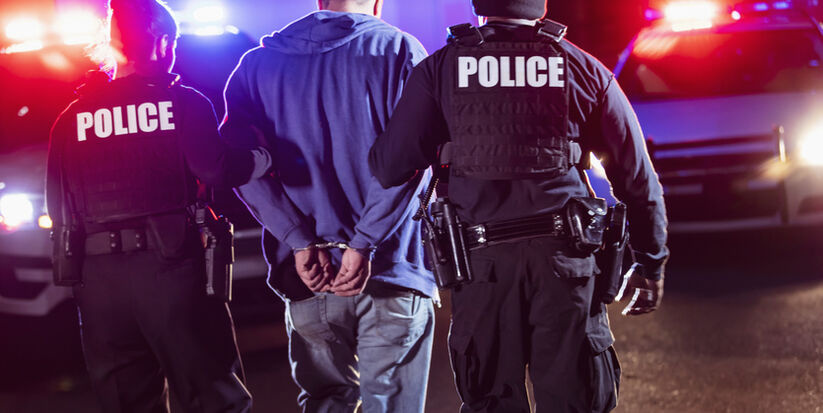
What Failure to Intervene Means in Police Misconduct Cases
When a police officer sees another officer using excessive force, they have a legal duty to try to stop it. That’s the foundation of a failure-to-intervene claim. The law doesn’t just punish the person who threw the punch or applied the knee. It also holds accountable those who watched and allowed it to happen.
This duty exists even during fast-moving arrests. If an officer has a reasonable chance to prevent harm and chooses not to, they may face liability. It doesn’t matter whether they gave the order or stayed silent. Inaction, in this context, is a violation.
Failure-to-intervene claims are especially important in group arrests, jail settings, and large-scale responses to protests—situations where multiple officers are present, and harm happens in plain view.
How Section 1983 Applies to Officer Inaction
Like many civil rights claims, failure-to-intervene falls under 42 U.S.C. Section 1983. This federal law allows individuals to sue public officials who violate their constitutional rights. While it’s often used for excessive force, it also covers inaction that results in harm.
To bring a successful failure-to-intervene claim, a plaintiff must show:
- Another officer used excessive force
- The defendant officer observed it or had reason to know it was happening
- They had a reasonable opportunity to step in
- They chose not to act
This is not just policy—it’s case law. Courts across New York and the Second Circuit have recognized this standard. When NYPD officers stand by while others use unlawful force, they may face federal civil rights liability under this statute.
The Fourth Amendment Duty to Step In
Under the Fourth Amendment, every person has the right to be free from unreasonable searches and seizures. That includes protection from excessive force. But it also includes the expectation that nearby officers will stop that force if they can.
This means a police officer who isn’t directly using force still has a constitutional duty to intervene. In practice, that could mean yelling for a colleague to stop, physically pulling them away, or reporting them immediately. It applies during arrests, searches, and detentions—any time someone is in police custody or control.
This duty is especially relevant in cities like New York, where policing involves high-pressure group responses. During events like protest arrests in Mott Haven or transit sweeps at the Bronx’s 149th Street–Grand Concourse Station, several officers may be present. If one uses force without cause, the others must act.
Real Bronx Examples of Inaction and Harm
Failure-to-intervene cases often come down to what video footage or witness accounts show. In the Bronx, several scenarios may give rise to these claims:
- Officers pin someone to the ground during a stop, and one applies force while others watch
- Protesters are thrown to the sidewalk by a group of officers, and bystanders record who steps in
- An injured person is handcuffed and crying for help while officers stand nearby saying nothing
Footage from body-worn cameras, smartphones, or local businesses can be critical. In areas like Soundview or Kingsbridge, where public housing and dense foot traffic meet aggressive patrol units, these situations are more likely to unfold in public view. That also means they’re more likely to be recorded.
When one officer assaults someone and others clearly see what’s happening, courts will ask why they failed to act. If no valid answer exists, that inaction can become the basis for a federal lawsuit.
What Courts Look for in These Claims
Judges don’t expect every officer to be perfect. But they do expect officers to follow constitutional standards. To determine if an officer failed to intervene, courts ask several questions:
- Did the officer witness the excessive force in real time?
- Was there enough time to act before the harm ended?
- Could a warning, physical separation, or report have helped?
- Was the officer close enough to reasonably respond?
Even a few seconds of opportunity can matter. If a partner saw the misconduct and had a chance to interrupt it or report it and didn’t, that may be enough. Officers can’t escape liability simply by standing a few feet away.
Court decisions in New York State emphasize that the right to be free from harm includes a right to be protected from other officers. Failure to act, even briefly, may qualify as a rights violation under the Constitution.
Evidence That Strengthens a Failure-to-Intervene Case
Because failure-to-intervene claims focus on inaction, they rely heavily on what was seen, said, and recorded in the moment. Important forms of evidence include:
- Body cam footage from all officers on the scene
- Surveillance video from storefronts, apartment buildings, or NYCHA properties
- Statements from other witnesses, including civilians and fellow officers
- Injury documentation that shows harm could have been reduced
- Official reports that leave out the roles of other officers
In New York, filing a FOIL request early can help you get public records or body cam footage before they’re lost or deleted. Even partial recordings can show what an officer saw or heard and what they chose not to do.
How These Claims Fit Within Broader Civil Rights Lawsuits
Failure-to-intervene is rarely the only claim in a police misconduct case. Often, it’s brought alongside a primary excessive force claim. This allows plaintiffs to hold all responsible parties accountable, not just the one who made physical contact.
For example, if an officer kicks someone during an arrest in the Bronx and two others watch without responding, the lawsuit may include:
- An excessive force claim against the officer who kicked
- A failure-to-intervene claim against the other officers
This structure strengthens the case. It also increases the potential for full compensation, since more than one officer or agency may share liability.
When attorneys at Horn Wright, LLP, build these cases, we examine not only what happened, but who had the chance to stop it and who turned away.
The Impact of Inaction on Victims and Communities
Being hurt by police is traumatic. But being hurt while other officers look on and say nothing adds another layer of harm. It makes victims feel isolated, powerless, and dehumanized.
In many Bronx neighborhoods, residents already feel overpoliced and underprotected. When they see video of officers ignoring abuse, or when it happens to them directly, the message is clear: silence is allowed.
Failure-to-intervene cases aren’t only about one moment. They address a broader culture that permits violence through silence. That’s why these claims matter. They give victims a voice and help rebuild trust in communities long harmed by inaction.
What to Do If Officers Stood By During Your Assault
If you believe one or more officers failed to intervene while you were harmed by police, take action quickly. Some steps to protect your rights include:
- Write down what each officer on scene did or didn’t do
- Request body cam footage using a New York FOIL request
- Keep photos and records of all injuries
- Speak with any witnesses and get their contact details
- File a civilian complaint with the Civilian Complaint Review Board
You must also act fast. New York requires a Notice of Claim within 90 days if your case involves the NYPD or another city agency. Your civil rights attorney can then help file a Section 1983 claim in federal court.
You Have the Right to Be Protected, Not Ignored
When officers fail to step in during excessive force, they don’t just stand by. They break the law. The Constitution protects your right to be safe, even when you’re being arrested. It requires all officers to act, not just one.
At Horn Wright, LLP, we help people in the Bronx and across New York State hold police accountable—not just for what they did, but for what they allowed to happen. If you were harmed while officers looked away, let’s talk. We’re here to help you take that first step toward justice.

What Sets Us Apart From The Rest?
Horn Wright, LLP is here to help you get the results you need with a team you can trust.
-
Client-Focused ApproachWe’re a client-centered, results-oriented firm. When you work with us, you can have confidence we’ll put your best interests at the forefront of your case – it’s that simple.
-
Creative & Innovative Solutions
No two cases are the same, and neither are their solutions. Our attorneys provide creative points of view to yield exemplary results.
-
Experienced Attorneys
We have a team of trusted and respected attorneys to ensure your case is matched with the best attorney possible.
-
Driven By Justice
The core of our legal practice is our commitment to obtaining justice for those who have been wronged and need a powerful voice.