


Force During a Stop-and-Frisk Encounter in the Bronx
Protecting Your Rights on the Street Starts with Understanding Them
Stop-and-frisk is a street-level police tactic used to check for weapons or suspected criminal activity. But when things escalate, especially with physical force, it often leaves people shaken or hurt. In neighborhoods like Mott Haven or East Tremont, residents know this experience too well. Some worry it might happen during a simple walk to the store. Others wonder if what happened to them was even legal.
You don’t have to figure that out on your own. The Bronx NY civil rights attorneys at Horn Wright, LLP, understand how stop-and-frisk encounters unfold on Bronx sidewalks. If police used force against you or someone you love, we’ll take that stress off your shoulders. Our legal team investigates what happened, explains your rights, and builds a case with your story at the center. You deserve answers, and we’re here to help you get them.
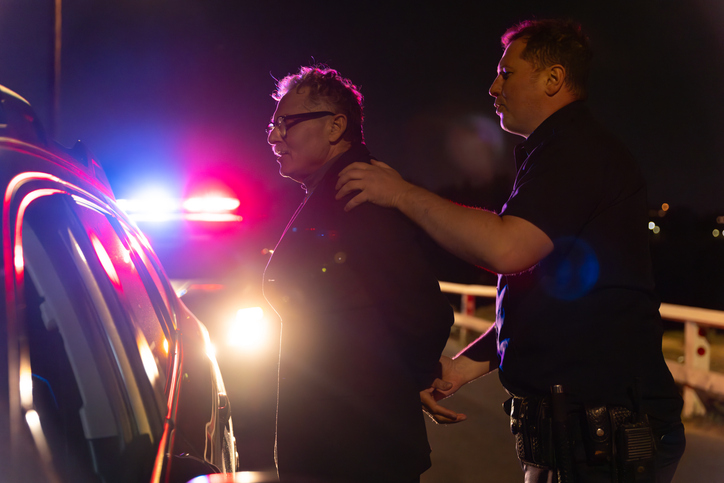
What Gives NYPD Officers the Right to Stop You?
In New York, officers can stop someone when they have “reasonable suspicion.” That means they believe, based on specific facts, that a person may be involved in criminal activity. It’s not the same as probable cause, which is needed for an arrest. This lower threshold gives NYPD officers wide leeway, but not unlimited power.
In the Bronx, you might be stopped while walking to school in Kingsbridge or heading to work from the 174th Street subway station. Officers from the 44th or 47th Precinct might say they saw a bulge under your shirt or noticed you adjusting your waistband. That’s enough, in their eyes, to justify a pat-down.
But suspicion doesn’t mean guilt. Officers must follow strict legal limits during the encounter. They can ask questions. They can conduct a brief, non-invasive pat-down if they reasonably suspect you have a weapon. What they can’t do is jump straight to force without cause. And they can’t ignore your civil rights because of where you’re standing or how you look.
Understanding what officers can and can’t do gives you power, especially when things escalate. If a stop turned physical, that may be a sign that the line was crossed.
What Counts as Excessive Force in the Bronx?
The law allows officers to use force, but only when necessary and only in proportion to the situation. That means they can’t shove you during a stop-and-frisk unless there’s a real threat. They can’t tackle you for asking a question. They can’t use violence to punish you for not answering.
In the Bronx, this distinction matters. Encounters near Yankee Stadium or along the Grand Concourse have sparked community outrage when officers used unnecessary force. Some cases involved minors. Others involved people who weren’t charged with anything at all.
The NYPD Patrol Guide tells that officers are expected to use the least amount of force necessary. If someone poses no danger, restraint or verbal commands should be enough. The moment an officer uses force that isn’t justified by the situation, it can become excessive.
Examples include:
- Pushing someone to the ground during a routine stop
- Grabbing a person’s neck or twisting their arms during questioning
- Drawing a weapon or threatening violence without cause
These actions can also violate your constitutional rights.
Common Situations Where Officers May Cross the Line
Stop-and-frisk encounters often begin as routine. But in seconds, things can turn physical. And in many Bronx neighborhoods, this shift feels all too familiar. Reports from Soundview, Belmont, and Castle Hill describe repeated scenarios where officers escalate situations unnecessarily.
Some real-world examples include:
- Using handcuffs before making an arrest or giving a reason
- Slamming someone against a wall during a basic pat-down
- Raising voices or making threats until the person reacts in fear
- Involving multiple officers to intimidate or corner someone
- Detaining a person longer than allowed by law
- Ignoring explanations or attempts to cooperate
None of these actions automatically mean the officer broke the law. But when force becomes the default instead of the exception, the risk of serious harm grows.
You may have just been trying to get groceries near 138th Street or walking near Claremont Park. If the situation ended with bruises, fear, or confusion, you’re not alone. And your experience deserves to be taken seriously.
What Should You Do If Force Was Used Against You?
First, take care of yourself. If you were hurt, go to a hospital as soon as possible. Lincoln Medical Center and St. Barnabas Hospital both serve Bronx residents and can document any injuries.
Next, write everything down. Memory fades quickly, especially after something traumatic. Include:
- Time and date of the incident
- Exact location, like cross streets or landmarks
- Description of the officers involved (uniforms, badge numbers, cars)
- What they said and did
- Any injuries or property damage
If someone took a video or witnessed the event, try to get their name and contact information. Save any clothes, photos, or damaged items. Even small details can help later.
Also, consider reporting the incident to the Civilian Complaint Review Board. They handle complaints of police misconduct in New York City. Filing a report doesn’t cost anything and creates a public record.
You don’t have to figure out every next step right away. Just taking action, however small, helps you take control of the situation.
Why Documentation Makes or Breaks a Bronx Civil Rights Case
The strongest civil rights cases rely on proof. In the Bronx, video footage and firsthand accounts often reveal what happened when officers claim otherwise.
Thanks to security cameras and mobile phones, many incidents in areas like 149th Street–Grand Concourse or Jerome Avenue are caught on video. A cell phone clip or bodega surveillance can show whether the officer’s use of force was justified or if it crossed the line.
Here’s what helps:
- Clear footage of the stop-and-frisk
- Medical records linking injuries to the encounter
- Statements from witnesses who saw what happened
- Photos showing bruises or torn clothing
- Texts or messages written right after the incident
Each piece adds credibility to your story. And when those details align, they can shift the outcome of a case. The truth matters, but showing it matters more.
How Force During Stop-and-Frisk Affects the Bronx Community
It affects more than one person. When officers use force during stop-and-frisk, it damages trust across entire neighborhoods. People begin to fear the police, not for what they’ve done, but for where they live or what they look like.
In places like Melrose and Kingsbridge, community leaders have spoken out about the toll this takes. Youth groups, tenant associations, and local advocates have called for more accountability and fewer aggressive patrols. They want their blocks safe, and they want them fair.
The fear of being grabbed or searched for no clear reason can change how someone walks through their own neighborhood. It can change how kids see officers in uniform. These daily moments build up, especially when they’re ignored.
That’s why pushing back matters, not only to get justice for yourself but to make streets safer for everyone.
What Legal Options Exist After a Stop-and-Frisk Involving Force?
If force was used against you during a stop-and-frisk, you have the right to take legal action. That includes both civilian complaints and lawsuits for violations of your civil rights.
Here’s what you can do:
- File a CCRB Complaint – Start with a formal report. It’s free and can lead to disciplinary action for the officer involved.
- Request Body Camera Footage – If the officer was wearing a camera, you can request the video. This must be done quickly.
- Pursue a Civil Rights Claim – If the force used was excessive, you may be able to file a lawsuit. That includes claims for emotional distress, physical injury, or unlawful detention.
Cases involving the NYPD are complex. They often require deep knowledge of both city policy and federal law. In many cases, filing in the Bronx Supreme Court is just the beginning. You may also deal with city attorneys or federal agencies depending on how the case moves forward.
If you're unsure where to begin, talking to a Bronx civil rights lawyer can help you understand whether you have a valid case and what to expect.
Know Your Rights and Take Action If Force Was Used
If a stop-and-frisk in the Bronx turned physical, you have every right to question it. You’re just protecting yourself and your future. No one should have to accept force as a normal part of walking through their own neighborhood.
At Horn Wright, LLP, we stand with Bronx residents who were mistreated during these encounters. Our attorneys work with care, urgency, and experience to seek justice and push back when rights are violated. If you need to learn your legal options, contact us directly to get started.

What Sets Us Apart From The Rest?
Horn Wright, LLP is here to help you get the results you need with a team you can trust.
-
Client-Focused ApproachWe’re a client-centered, results-oriented firm. When you work with us, you can have confidence we’ll put your best interests at the forefront of your case – it’s that simple.
-
Creative & Innovative Solutions
No two cases are the same, and neither are their solutions. Our attorneys provide creative points of view to yield exemplary results.
-
Experienced Attorneys
We have a team of trusted and respected attorneys to ensure your case is matched with the best attorney possible.
-
Driven By Justice
The core of our legal practice is our commitment to obtaining justice for those who have been wronged and need a powerful voice.