


Qualified Immunity in Bronx Excessive Force Cases: What to Expect
How Legal Protections for NYPD Officers Can Affect Your Civil Rights Lawsuit
When someone experiences excessive force by police in the Bronx, they often feel shocked, hurt, and overwhelmed. It takes courage to step forward and hold law enforcement accountable. But one legal concept, qualified immunity, can make that path feel like an uphill climb. This rule often blocks lawsuits against officers, even when someone’s rights were clearly violated.
At Horn Wright, LLP, our Bronx civil rights lawyers understand how emotionally draining these cases can be. We know the tactics that government lawyers use to shut down valid claims. That’s why we fight to build strong, detailed cases from the start. If you or someone you love is dealing with a police misconduct case in the Bronx, our team is here to help you understand your options and protect your rights.
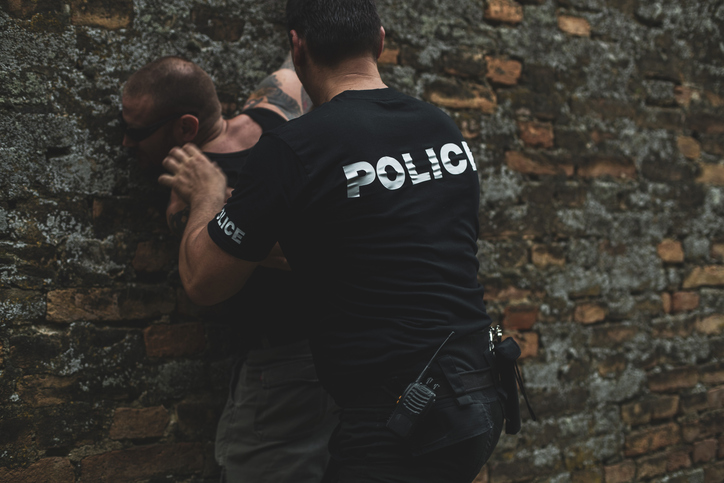
Understanding Qualified Immunity in Bronx Police Misconduct Cases
Qualified immunity shields government employees, especially police officers, from personal liability in civil rights lawsuits unless their conduct violated a clearly established constitutional right. That means even if a person was harmed by an officer’s actions, the officer may still be protected from a lawsuit.
This legal defense frustrates many Bronx residents. It often blocks claims in cases where something clearly went wrong. Victims are left wondering how they can ever seek justice. If a judge decides that the officer acted in a gray legal area, the case may be dismissed before it reaches a jury.
In police misconduct cases across New York, especially here in the Bronx, qualified immunity shapes how lawyers, judges, and courts evaluate excessive force claims. It’s about whether the law already made it obvious that what the officer did was unconstitutional.
What Qualified Immunity Really Means in New York Civil Rights Law
In simple terms, qualified immunity gives officers the benefit of the doubt unless the law was already clear that their behavior crossed the line. Courts ask two key questions:
- Did the officer violate someone’s constitutional rights?
- Were those rights clearly established at the time of the incident?
If the answer to either is "no," the case may not move forward. In New York, including courts in the Bronx and Southern District, judges rely on past rulings to determine if the law was settled.
This often leads to a frustrating loop. If no similar case has already been decided, then the officer may walk free, even if the harm was obvious. Plaintiffs have to do more than prove misconduct. They must prove that another officer, in nearly the same situation, had already been told by the courts that the action was illegal.
How Qualified Immunity Affects Bronx Police Brutality Lawsuits
In excessive force lawsuits filed in the Bronx, qualified immunity often shows up early in the case. Defense lawyers usually file a motion to dismiss based on this doctrine, hoping to end the case before discovery or trial.
Courts follow a structured analysis:
- They review the facts in the light most favorable to the person who was harmed
- They decide whether the officer’s conduct violated a constitutional right, like the Fourth Amendment
- Then they ask whether that right was clearly established under past case law
The result? Even serious misconduct can be shielded if the court finds no existing case with nearly identical facts. This legal filter makes it harder for Bronx residents to bring claims against NYPD officers unless the facts are extremely strong.
Still, courts don’t apply qualified immunity blindly. If the allegations are specific and serious, and the law on use of force is clear, cases can move forward.
Recent Bronx Excessive Force Cases Involving Qualified Immunity
Several lawsuits filed in the Bronx have tested the boundaries of qualified immunity. One case involved an NYPD officer who allegedly used a stun gun on a man already handcuffed near East 161st Street. The court allowed part of the case to proceed, noting the right to be free from force when subdued was already well-established.
In another case, filed in the Southern District of New York, a Bronx woman claimed she was thrown to the ground during a traffic stop on the Cross Bronx Expressway. The officers sought dismissal based on qualified immunity, but the judge ruled that a jury should decide whether their actions were reasonable.
These cases show how qualified immunity doesn’t always protect officers. They also highlight how detailed facts, local context, and timing affect whether a case survives in court.
What Plaintiffs Must Prove to Overcome Qualified Immunity
Winning an excessive force lawsuit in the Bronx takes more than just telling your story. Plaintiffs must show that the officer clearly violated their rights and that those rights were already defined by past court rulings.
To push past qualified immunity, your case must prove:
- The officer violated your Fourth Amendment rights
- The force used was objectively unreasonable based on the circumstances
- A prior case already made it clear that the officer’s actions were unconstitutional
It’s not enough to say, "The officer hurt me." You need evidence like videos, photos, eyewitness statements, and expert reports. Each piece strengthens your argument that the officer should have known better.
How Bronx Civil Rights Lawyers Handle Qualified Immunity Challenges
Local civil rights attorneys know how judges in the Bronx view excessive force cases. They also know which cases to cite, what language to use, and how to challenge qualified immunity in court.
At Horn Wright, LLP, our team builds cases step by step:
- We gather bodycam footage, witness statements, and surveillance video
- We research past court decisions to support your claims
- We consult with use-of-force experts familiar with NYPD policy
This preparation matters. Qualified immunity isn’t just a legal issue. It’s a factual one, too. The more clearly we show what happened, the harder it is for the court to dismiss the case. Knowing the habits of local courts, like the Bronx Supreme Court or the Southern District of New York, gives our clients an edge.
Why Qualified Immunity Doesn’t Always End the Case
Many people think qualified immunity means you can’t sue the police. That’s not true. Courts in the Bronx sometimes reject these motions and allow excessive force cases to go to trial.
When that happens, it’s usually because the facts are well-documented, the injuries are serious, and the legal violation is plain. Judges don’t want to shut the door when it’s clear someone’s rights were ignored.
Examples include:
- Force used on a person who was already handcuffed
- Officers continuing to strike a person after they stopped resisting
- Arrests involving tasers or chokeholds without justification
These situations often trigger questions that only a jury can answer. And when that happens, the case continues.
What to Expect When Filing an Excessive Force Claim in the Bronx
Filing a claim for police misconduct in the Bronx starts with a notice of claim, which must be submitted within 90 days of the incident. From there, the process moves through several phases:
- Investigation and record collection
- Legal filings and court motions
- Discovery, where both sides exchange evidence
- Hearings on motions, including motions to dismiss based on qualified immunity
- Possible trial in either Bronx Supreme Court or federal court
The timeline varies. Some cases resolve in a year. Others take several years, especially if appeals happen. Emotionally, the process can be draining. It’s hard to relive the event, answer questions, and wait for justice.
But strong support makes a difference. When your legal team takes on the paperwork, the deadlines, and the fight, you can focus on healing.
Local Resources for Victims of Excessive Force in the Bronx
If you or a loved one was harmed by NYPD misconduct, local resources can help. These organizations offer guidance, advocacy, or direct legal aid:
- The Legal Aid Society – Bronx Office
- Bronx Defenders (legal representation and support services)
- Civilian Complaint Review Board (CCRB)
- NYC Comptroller’s Bureau of Law & Adjustment (for claims)
You can also file a complaint directly with the NYPD’s Internal Affairs Bureau. For those without legal representation, the courthouse at 851 Grand Concourse provides public access to case information.
Bronx Residents Deserve Accountability When Rights Are Violated
Qualified immunity creates legal roadblocks, but it doesn’t shut the door on justice. In the Bronx, people harmed by excessive force still have a voice. The legal path may be tough, but with the right evidence, strategy, and support, your case can move forward.
At Horn Wright, LLP, our Bronx attorneys have experience handling police misconduct claims from start to finish. We’re here to help you understand your rights, gather what you need, and hold those in power accountable. If you’re ready to take that next step, contact us today.

What Sets Us Apart From The Rest?
Horn Wright, LLP is here to help you get the results you need with a team you can trust.
-
Client-Focused ApproachWe’re a client-centered, results-oriented firm. When you work with us, you can have confidence we’ll put your best interests at the forefront of your case – it’s that simple.
-
Creative & Innovative Solutions
No two cases are the same, and neither are their solutions. Our attorneys provide creative points of view to yield exemplary results.
-
Experienced Attorneys
We have a team of trusted and respected attorneys to ensure your case is matched with the best attorney possible.
-
Driven By Justice
The core of our legal practice is our commitment to obtaining justice for those who have been wronged and need a powerful voice.