


Take-Downs and Neck/Back Injuries in the Bronx: How Claims Get Proven
Understanding What Counts and How Victims Can Build Strong Injury Cases
People searching for Bronx excessive force lawyer resources often start after a frightening moment, a sudden take-down, sharp pain, and more questions than answers. Neck and back injuries from physical restraint can affect daily life fast. In the Bronx, these incidents often happen in crowded public spaces, residential buildings, or during police encounters. Proving what happened takes more than saying you were hurt. It requires clear records, timely action, and an understanding of how New York handles injury claims tied to force.
At Horn Wright, LLP, the focus is on explaining that process in clear terms. People dealing with pain deserve to understand how proof works, what steps matter most, and why early documentation can shape the outcome of a claim tied to a take-down in Bronx, NY.
What Counts as a Take-Down and Where They Happen in the Bronx
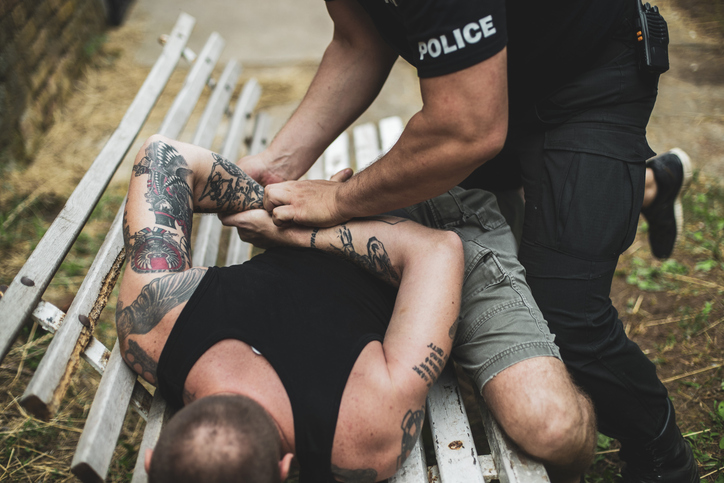
A take-down usually means being forced to the ground or restrained using physical force. In the Bronx, these incidents can occur during arrests, building removals, store security interventions, or physical confrontations between individuals. The setting matters. Tight stairwells, busy sidewalks, and crowded entrances increase the risk of neck or back injury when force is applied.
Common locations where take-downs occur include NYCHA properties, commercial corridors like Third Avenue, and areas near transit hubs. Each setting brings different questions about responsibility, surveillance, and witnesses. That complexity makes early evidence especially important.
How Neck and Back Injuries from Take-Downs Usually Present
The body often reacts to a take-down in delayed ways. Pain does not always peak at the scene. Many people notice stiffness, reduced movement, or nerve symptoms hours or days later. Neck injuries may limit rotation. Back injuries may cause shooting pain or muscle spasms that interfere with sleep and work.
In the Bronx, crowded emergency rooms can lead to shorter visits and limited imaging. When symptoms are not fully documented early, insurers may later argue that the injury was minor or unrelated. That makes follow-up care and detailed records essential.
What Makes a Take-Down Injury Legally Recognizable
For a take-down injury to support a legal claim in New York, three elements usually matter. Force must have occurred. The injury must connect directly to that force. Medical evidence must support the connection.
New York law allows recovery for more than broken bones. Soft tissue injuries, disc damage, and nerve compression can qualify when medical findings support them. Surveillance footage often plays a major role, especially in Bronx neighborhoods with extensive street and building cameras.
Documenting the Injury: What Bronx Victims Need to Do First
Immediate documentation helps preserve the link between the incident and the injury. Delays create gaps that insurers use to question credibility.
Helpful early steps include:
- Seeking emergency care the same day
- Requesting imaging when pain involves the neck or spine
- Photographing visible injuries
- Reporting the incident when it occurs in a public or controlled space
When a government agency is involved, deadlines apply. New York requires a formal Notice of Claim before suing a city agency. The NYC Comptroller’s Office oversees that process, which is governed by strict timelines.
Medical Records Matter: What Bronx Doctors Must Include
Medical records shape how claims are evaluated. Notes should clearly describe how the injury occurred, when symptoms began, and what limitations exist. Vague entries weaken claims.
Strong records often include:
- A clear history tying symptoms to the take-down
- Objective findings such as reduced range of motion
- Diagnostic impressions related to trauma
When care feels rushed, follow-up visits help clarify the record and document progression.
Witness Statements and Bronx Surveillance Footage
Third-party evidence often determines whether a claim moves forward. Witness statements help confirm how force was used. Surveillance footage can show body positioning, timing, and intensity.
In the Bronx, possible sources include store cameras, residential building systems, and transit footage. Preservation matters. Many systems overwrite recordings within days.
Proving Liability: Who Can Be Held Accountable in the Bronx
Responsibility depends on who applied force and under what authority. Potentially responsible parties include law enforcement officers, correction officers, private security personnel, or individuals acting unlawfully.
Claims involving public entities follow specific procedures. Civil cases are often filed in Bronx County Supreme Court, which operates under rules set by the New York Unified Court System. Missing procedural steps can bar recovery, even when injuries are real.
When Insurance Pushes Back in Bronx Claims
Insurers and city attorneys often challenge take-down injury claims. They may argue that force was reasonable, injuries were preexisting, or treatment gaps weaken the case. These arguments appear frequently in excessive force disputes, especially when video evidence is incomplete.
Discussions about evidence challenges often overlap with issues addressed in detailed analyses of proving excessive force without bodycam evidence, where documentation and third-party proof become central.
The Role of Expert Testimony and Injury Specialists in New York
Medical experts help explain how force causes spinal injuries. Orthopedic specialists, neurologists, and physical therapists provide opinions on causation and long-term impact. Their evaluations help translate medical findings into clear explanations that courts and insurers understand.
Expert reports often clarify whether symptoms align with the mechanics of a take-down and whether recovery limitations are consistent with trauma.
Settlements vs. Trials in Bronx Injury Cases
Many Bronx injury claims resolve through settlement when evidence is strong. Cases proceed to trial when responsibility is disputed or injuries affect long-term earning ability or mobility. Trials require patience. Civil cases in the Bronx can move slowly, making early preparation important.
Bronx Take-Down Injury Claims
Neck and back injuries from take-downs can disrupt daily life quickly. Proof determines whether a claim succeeds. Medical records, timely reporting, and preserved evidence all matter. For those seeking guidance, connecting with legal professionals through a confidential consultation can help clarify options under New York law. Understanding the process puts injured Bronx residents in a stronger position to protect their rights and focus on recovery.

What Sets Us Apart From The Rest?
Horn Wright, LLP is here to help you get the results you need with a team you can trust.
-
Client-Focused ApproachWe’re a client-centered, results-oriented firm. When you work with us, you can have confidence we’ll put your best interests at the forefront of your case – it’s that simple.
-
Creative & Innovative Solutions
No two cases are the same, and neither are their solutions. Our attorneys provide creative points of view to yield exemplary results.
-
Experienced Attorneys
We have a team of trusted and respected attorneys to ensure your case is matched with the best attorney possible.
-
Driven By Justice
The core of our legal practice is our commitment to obtaining justice for those who have been wronged and need a powerful voice.