


Taser Use by Police in the Bronx: When It Becomes Excessive
Understanding Your Rights and Legal Options After Unlawful Police Force
Police officers in the Bronx rely on a range of tools to control situations that escalate quickly. Among them, Tasers are often described as "less-lethal" weapons intended to subdue people without causing permanent harm. But when used incorrectly, Tasers can cause serious injury, lasting trauma, or worse. In a borough where tensions between residents and law enforcement already run high, the improper use of these devices only deepens mistrust.
If you or someone you know was tased by a police officer in the Bronx, and you believe it was unnecessary or abusive, you may have legal options. The attorneys at Horn Wright, LLP, are experienced Bronx civil rights lawyers who understand how police misconduct affects people physically, emotionally, and financially. We represent individuals throughout the Bronx who’ve been harmed by excessive or unlawful force. Our goal is to protect your rights and pursue real accountability.
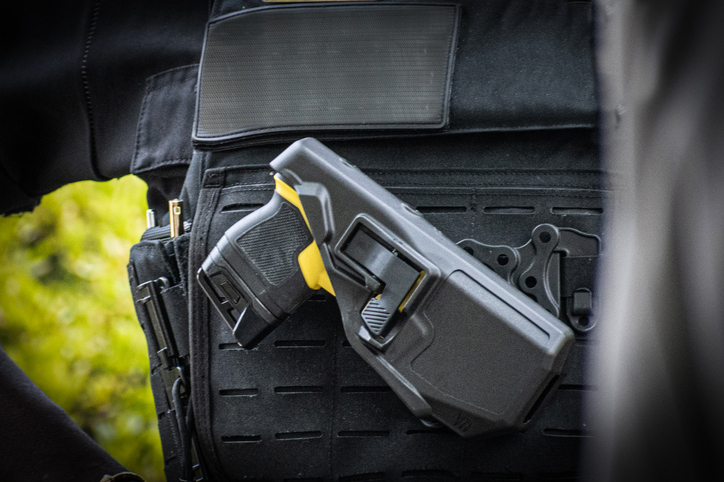
How NYPD Officers Use Tasers in the Bronx
The NYPD issues Tasers to officers across all five boroughs, including precincts throughout the Bronx, from the 42nd in Morrisania to the 50th in Kingsbridge. These devices fire small darts connected to wires that deliver an electric jolt, typically meant to stop a person’s movement and allow officers to gain control. In theory, a Taser gives officers a middle ground between physical restraint and deadly force.
NYPD protocols require officers to go through training on how and when to use a Taser. Officers are instructed to aim at large muscle groups, avoid the head and chest, and only use the device when a person poses an immediate threat. But real-world situations don’t always play out by the book. In high-pressure moments, during street stops, domestic calls, or mental health emergencies, Tasers can get pulled too quickly or used without clear warning.
In areas like East Tremont or Soundview, residents have reported incidents where the use of a Taser didn’t match the threat. Some individuals were already restrained or appeared confused rather than aggressive. These are the kinds of situations where a so-called "non-lethal" tool becomes dangerous.
When Taser Use Crosses the Line Into Excessive Force
Not every use of a Taser violates the law. But certain actions cross the line into excessive force, and that’s when people get hurt and civil rights are at risk. Under New York law, officers must use only the amount of force necessary to control a situation. If an officer uses a Taser on someone who isn’t actively resisting or threatening harm, that may be considered excessive.
Some warning signs that force may have gone too far:
- The person was already handcuffed or subdued.
- Officers used the Taser without giving a verbal warning.
- The Taser was used multiple times without justification.
- The individual posed no clear threat to the officer or others.
One case in the Bronx involved a man in a mental health crisis who was tased several times despite being unarmed and surrounded by multiple officers. Situations like these raise serious concerns about violations of public trust.
Warning Signs of Excessive Taser Force
Many Bronx residents don’t immediately recognize that what happened to them was excessive force. The experience can be confusing, fast, and traumatic. But looking back, specific details can help paint a clearer picture. If any of the following apply, it’s worth taking a closer look:
- You were tased after being physically restrained.
- The officer didn’t warn you before deploying the Taser.
- You were in a medical or mental health crisis.
- Witnesses said you weren’t acting aggressively.
- You were tased more than once in the same incident.
- Video footage shows you were not resisting arrest.
These details matter. They can become key pieces of evidence in a civil case, and they often show that the officer may have ignored protocol or acted recklessly.
Physical and Emotional Impact of Being Tased
Getting tased isn’t something people walk away from unaffected. The electric shock can cause severe muscle contractions, disorientation, and immediate pain. Some people fall hard and suffer head or face injuries from the impact. In certain cases, Tasers have triggered cardiac issues, especially in individuals with pre-existing heart conditions.
Bronx hospitals like Lincoln Medical Center and NYC Health + Hospitals/Jacobi regularly treat injuries related to Taser use. But the damage isn’t always physical. Many people report intense anxiety, trouble sleeping, or fear of future police contact after a Taser incident. That emotional strain can last far longer than bruises or burns.
Victims often say they felt humiliated, powerless, or targeted. These reactions are normal and valid. Trauma doesn’t need to leave visible scars to be real. In some cases, people stop going outside or engaging with their community out of fear. That emotional fallout matters just as much as any physical injury.
What to Do if You Were Tased by Police in the Bronx
If you believe the police used a Taser on you without legal cause, there are steps you can take to protect yourself and preserve your rights. Acting quickly can make a big difference later:
- Seek medical care right away, even if you feel okay at first.
- Get a copy of the police report as soon as it’s available.
- Write down everything you remember about the incident.
- Gather contact info for any witnesses.
- Save video footage from bystanders, building cameras, or bodycams if accessible.
- Contact an experienced civil rights attorney who handles police misconduct cases.
Don’t wait to act. Physical symptoms can worsen over time, and memory fades quickly. The sooner you collect evidence, the stronger your case may be.
Filing a Complaint or Lawsuit Against Police Misconduct
If you were harmed by excessive force, you can report it and, in some cases, file a lawsuit. In the Bronx, there are several avenues for making your voice heard:
- File a complaint with the Civilian Complaint Review Board (CCRB). This independent agency investigates allegations of NYPD misconduct.
- Reach out to Internal Affairs, which handles internal investigations within the NYPD.
- Consider filing a civil lawsuit for damages related to physical injury, emotional distress, or violations of your constitutional rights.
Each step requires documentation. Photos of injuries, medical records, video clips, and witness accounts can all support your claim. It also helps to keep a timeline of events, including any follow-up calls or hospital visits.
Lawsuits involving police officers often involve legal defenses like qualified immunity, which can make these cases challenging. But strong, well-documented evidence can help cut through those obstacles.
How Courts View Excessive Taser Force in New York
When a case involving a Taser reaches court, judges typically look at two main questions: Did the person pose an immediate threat? And was the level of force proportional? New York courts tend to examine the totality of the circumstances, including whether the person was armed, resisting, or already restrained.
Qualified immunity can shield officers from liability if they acted within the bounds of their training. But when the facts show that an officer used a Taser in a way that clearly violates department policy or legal standards, courts may allow the case to move forward.
Some lawsuits in the Bronx have led to settlements or disciplinary action against officers. Others have clarified when force becomes excessive, helping set stronger standards for future conduct. The legal system moves slowly, but it remains one of the few tools residents have to hold public servants accountable.
How Community Response Shapes Police Conduct in the Bronx
The Bronx has a long history of pushing back against police overreach. Community members show up at precinct meetings, testify at city council hearings, and organize through local groups. These efforts matter.
Public response to questionable Taser use has led to investigations, policy changes, and increased use of body cameras across NYPD precincts. When residents speak out, especially with video evidence or coordinated advocacy, officials take notice.
Some neighborhoods, like Melrose and Wakefield, have seen more visible organizing around policing and public safety. As more residents learn their rights and share their stories, they help build a record that can’t be ignored. Community engagement doesn’t solve everything, but it helps create the pressure needed for real change.
Bronx Residents Deserve Safe, Respectful Policing
Tasers can leave behind injury, fear, and broken trust. Bronx residents deserve better. They deserve law enforcement that acts with purpose, restraint, and respect.
If you or someone close to you has experienced excessive Taser force by police in the Bronx, Horn Wright, LLP, is here to help. Our attorneys understand the local landscape, and we’re committed to fighting for justice in every case. Reach out to learn how we can support you.

What Sets Us Apart From The Rest?
Horn Wright, LLP is here to help you get the results you need with a team you can trust.
-
Client-Focused ApproachWe’re a client-centered, results-oriented firm. When you work with us, you can have confidence we’ll put your best interests at the forefront of your case – it’s that simple.
-
Creative & Innovative Solutions
No two cases are the same, and neither are their solutions. Our attorneys provide creative points of view to yield exemplary results.
-
Experienced Attorneys
We have a team of trusted and respected attorneys to ensure your case is matched with the best attorney possible.
-
Driven By Justice
The core of our legal practice is our commitment to obtaining justice for those who have been wronged and need a powerful voice.