


Using 911 Calls and Dispatch Audio to Prove Threat Level and Timeline
Real-Time Evidence That Tells the Full Story
In the middle of a crisis, people call 911 because they’re scared, hurt, or in danger. That moment, the first call for help, carries raw emotion, real-time facts, and the urgency of the situation. In personal injury and criminal cases here in the Bronx, 911 calls often play a major role in building the narrative. They record fear, danger, and confusion as they unfold.
At Horn Wright, LLP, we know how powerful those first few minutes can be. When we represent Bronx clients, we often request 911 calls and dispatch audio to help support claims of negligence, missed response times, or escalation. If you were hurt or accused and need someone to gather this evidence and use it to build a strong case, our Bronx civil rights lawyers can help you focus on recovery while we focus on proof.
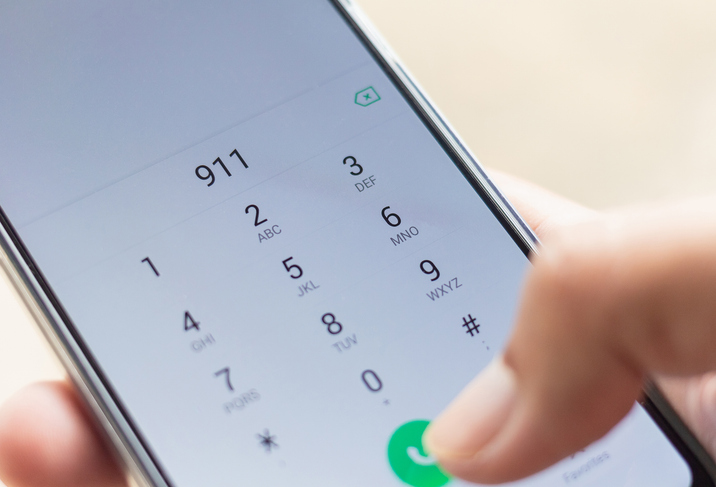
Start with the Emergency: Why 911 Calls Matter in Bronx Cases
When someone dials 911 in the Bronx, the clock starts ticking. These calls capture people at their most vulnerable. The caller’s voice, the background noise, the urgency in their words, all of it tells a story. The NYPD and FDNY often rely on these calls to coordinate rapid responses, especially in high-incident areas like Fordham, Mott Haven, or around Grand Concourse.
In legal terms, these calls serve as early, unfiltered records. Courts sometimes consider them spontaneous statements, which can be admissible even before a formal investigation begins. That means they can show:
- Who made the first report
- How fast the threat escalated
- What the caller witnessed, in their own words
For personal injury cases involving assaults, domestic violence, or even car crashes, these calls paint the emotional and factual backdrop. They also help establish the perceived danger and urgency at the scene.
Break Down the Timeline: How Dispatch Audio Logs Events in Order
After a 911 call, dispatchers alert first responders and officers relay updates. Every action gets logged, often to the second. In Bronx cases, especially those involving NYPD’s 40th or 47th Precinct, this timeline matters. These recordings help attorneys track key moments and can be cross-referenced with data maintained by the New York State Division of Criminal Justice Services.
The dispatch audio can prove:
- The exact time the call was placed
- How quickly units were assigned
- Any delays or confusion in the response
- When police or EMTs actually reached the location
This level of precision matters in court. It shows if public safety agencies followed protocol. In civil rights claims like excessive force or false arrest, timeline gaps may back a victim’s case.
Reveal the Threat: What Tone, Language, and Background Noise Show
What someone says during a 911 call matters, but how they say it often tells more. Their voice might shake. They might scream. Sometimes there’s yelling in the background or sudden silence. In legal cases, this becomes part of the proof.
In the Bronx, where high-density housing and street-level violence can intensify a situation fast, tone and sound details on these recordings help establish how threatening the moment really was. This evidence might reveal:
- Panic or fear in the caller’s voice
- Multiple people yelling at once
- Gunshots, glass breaking, or traffic noise in the background
- Children or vulnerable people present at the scene
These sensory clues create a fuller picture. If a defendant later downplays the event, the audio might suggest otherwise. If a victim struggles to remember the sequence, the tape often fills in the gaps.
Secure the Evidence: How to Legally Request 911 and Dispatch Audio in New York
Accessing these recordings isn’t automatic. In New York, you must formally request them, usually through the Freedom of Information Law (FOIL). Timing matters because some agencies purge recordings after a short retention period. For instance, the NYPD Communications Division may only keep certain files for 180 days unless flagged for a case.
Here’s how attorneys in the Bronx usually secure this evidence:
- File a FOIL request with the NYPD or relevant 911 dispatch center
- Request related Computer-Aided Dispatch (CAD) logs
- Send preservation letters quickly to prevent deletion
- Follow up consistently to avoid processing delays
If the case involves EMS or FDNY response, a separate request might be necessary. Each agency keeps its own logs, and access rules vary. Speed and accuracy are key.
Match Audio to Action: Comparing 911 Audio with Surveillance and Body Cam Footage
It’s about what happened next. To build a strong legal narrative, you need to sync the 911 and dispatch audio with other available footage. In the Bronx, this could include NYPD body-worn cameras, Bx12 bus surveillance, or store cameras along Westchester Avenue.
When synced properly, these sources show whether law enforcement reacted appropriately. They also help confirm, or contradict, witness statements. Attorneys can line up:
- The moment a dispatcher sent help
- The time officers arrived on scene
- Whether police followed correct de-escalation tactics
- What bystanders or victims were doing at each stage
This layered approach strengthens the timeline. It also helps juries and judges understand the full flow of events, especially in chaotic or confusing moments.
Expose Gaps: When Missing Audio Raises Legal Red Flags
Missing audio often ties into claims of false imprisonment or due process violations. Understanding what qualifies as unlawful detention is key, especially when dispatch records are incomplete. Missing recordings can support claims tied to examples of false imprisonment.
In Bronx civil rights cases, dispatch tapes that skip key segments or vanish entirely have triggered deeper investigations. These gaps may stem from technical failures, policy lapses, or intentional omissions. No matter the cause, they demand scrutiny.
Attorneys can flag these gaps by:
- Comparing CAD logs to available audio timestamps
- Requesting explanation letters from the NYPD or city agencies
- Using subpoenas if FOIL responses come back incomplete
In legal proceedings, a missing record can damage the defense’s credibility. It can also lead to sanctions or settlements in favor of the injured party.
Use Expert Analysis: When to Bring in a 911 Audio Specialist
Sometimes the recordings are hard to understand. There may be multiple voices, static, or background noise. In those cases, it helps to bring in a forensic audio expert. Bronx attorneys often work with specialists who can clean up sound, highlight key phrases, or pinpoint when voices change tone.
An expert might help:
- Enhance muffled or distorted audio
- Analyze stress levels in the caller’s voice
- Identify overlapping speakers
- Confirm whether audio files were edited or cut
This can make a major difference in trial. Jurors tend to trust clear, well-presented evidence. A cleaned-up tape with expert insight often leaves a lasting impression.
Apply in Court: How Bronx Lawyers Present 911 Audio as Evidence
In New York State courts, 911 calls are generally admissible as part of the evidentiary record if the attorney lays the groundwork. Bronx lawyers must authenticate the recording, show how it was obtained, and prove its relevance. Then the jury hears the full moment unfold.
Presenting this audio isn’t about shock value. It’s about clarity. A well-placed 911 clip can:
- Demonstrate fear or distress
- Support a victim’s credibility
- Undermine a defendant’s version of events
- Show the urgency or chaos on the scene
Attorneys also prepare juries for what they’re about to hear. They may use transcripts or highlight timestamps so listeners follow along easily.
Build a Clear Story: Tie Audio Evidence Into a Full Legal Narrative
Audio on its own doesn’t win a case. It needs to work with everything else, witness statements, camera footage, phone records, police reports. Together, these elements create a consistent, persuasive story.
In Bronx cases involving disputed timelines or conflicting accounts, that story often starts with a voice on a call. Attorneys tie the rest of the evidence back to that moment. By doing so, they:
- Show when the danger began
- Map how the situation developed
- Challenge inaccurate police narratives
- Highlight any missed opportunities to intervene
That’s how you build credibility. Not just with the judge, but with the jury who needs to believe what really happened.
Use Every Second of Audio to Strengthen Your Case
Those first few minutes, the 911 call, the radio dispatch, can shape the outcome of your case. Whether you’re filing a personal injury claim, defending against charges, or pursuing accountability for excessive force, the timeline matters. So does the fear in your voice, the sound of chaos, and every word said in those first moments.
At Horn Wright, LLP, our attorneys act fast to secure and analyze recordings that others might overlook. If you’re facing a legal situation where response time, threat level, or credibility matters, contact us for help that starts with listening.

What Sets Us Apart From The Rest?
Horn Wright, LLP is here to help you get the results you need with a team you can trust.
-
Client-Focused ApproachWe’re a client-centered, results-oriented firm. When you work with us, you can have confidence we’ll put your best interests at the forefront of your case – it’s that simple.
-
Creative & Innovative Solutions
No two cases are the same, and neither are their solutions. Our attorneys provide creative points of view to yield exemplary results.
-
Experienced Attorneys
We have a team of trusted and respected attorneys to ensure your case is matched with the best attorney possible.
-
Driven By Justice
The core of our legal practice is our commitment to obtaining justice for those who have been wronged and need a powerful voice.