


What Counts as “Reasonable Force” During an Arrest
Your Legal Protections During an Arrest
Getting arrested can feel chaotic, frightening, and at times violent. In those moments, you may not know whether the force used by police was legally justified. The truth is, not every use of force is allowed. The law limits how far officers can go, even when making an arrest.
Under the U.S. Constitution, and through court rulings across New York State, officers must keep their actions in line with what’s called "reasonable force." That means using only the amount of physical action needed to handle the situation. Anything beyond that may violate your rights.
If you were hurt during an arrest and believe the police used more force than necessary, a Bronx civil rights attorney at Horn Wright, LLP, can help review what happened. We represent individuals across New York who have experienced aggressive or unlawful treatment by law enforcement.
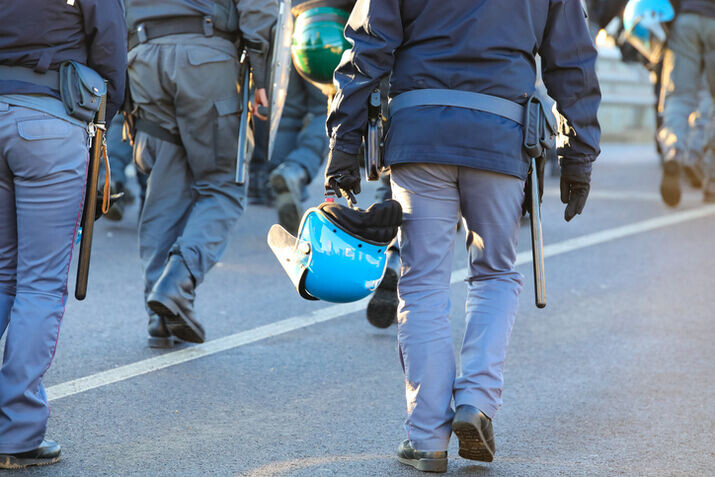
Defining Reasonable Force in Plain Terms
Reasonable force refers to the minimum level of physical force a police officer is legally allowed to use during an arrest to safely gain control of the person. The key word here is “reasonable.” It doesn’t mean any force is automatically acceptable. It means force must match the level of resistance or threat at that moment.
Courts use a standard called objective reasonableness to decide whether force crossed the line. That means judges and juries ask what a typical officer with similar training would have done in the same circumstances, without considering the officer’s personal beliefs.
This standard focuses on the specific context. It doesn’t ask whether the officer intended to harm you. It asks whether the force used made sense based on what was happening. For example, if someone was calmly complying and officers used a chokehold, that may be deemed unreasonable. The law gives officers room to act but not to abuse their authority.
When Officers May Use Force During Arrests
Law enforcement has the right to use some level of force during arrests, but that power has strict limits. Officers can only use force when it is necessary to:
- Stop a person from fleeing
- Overcome physical resistance
- Protect themselves or others from harm
- Secure control of a situation where safety is at risk
This means if a person is already handcuffed, not resisting, or following instructions, additional force may violate their rights. Officers cannot continue applying pressure or pain after gaining control.
In New York, these rules apply across the state, from Rochester to the Bronx. Whether you were stopped by an NYPD officer or by a county sheriff in upstate New York, the expectation stays the same. The force must be proportional to what the officer is facing in the moment.
What Types of Force May Be Considered Reasonable
Not all force is the same. Courts understand that some encounters involve physical action, especially if someone actively resists. But not every tactic is considered lawful. Below are some forms of force that may be deemed reasonable, if used within limits:
- Verbal commands backed by clear authority
- Physical restraint to prevent escape or harm
- Controlled handcuffing, without injury
- Limited use of batons or pressure holds in a physical struggle
- Use of tasers or pepper spray when someone is aggressive or threatening
What matters is how and when these tactics are used. Grabbing someone’s arm to guide them into a car is not the same as slamming someone against a wall without warning. If someone is sitting calmly and an officer still draws a weapon or throws them to the ground, that’s likely to raise legal concerns.
Even during tense arrests, officers are expected to adjust their level of force as the situation changes. When the person becomes calm or compliant, the officer must respond with restraint.
When Force Becomes Legally Excessive
An officer crosses the line from reasonable to excessive when they continue using force after gaining control, or when they use violent tactics against someone who presents no threat. The shift can happen quickly, which is why these cases often rely on second-by-second analysis.
Here are a few signs force may have become excessive:
- The person is handcuffed and no longer resisting
- The officer uses a baton or taser after the situation is under control
- The individual is nonviolent but tackled without warning
One example could be someone arrested at a Bronx protest who is compliant but gets pepper sprayed anyway. Another could be an NYPD stop where a person is on the ground and still struck repeatedly.
Courts also consider the duration of force. Keeping a knee on someone’s back long after they stop moving, or restraining someone’s neck after they say they can’t breathe, may amount to a civil rights violation.
How Courts View Force in New York-Based Cases
In New York, courts examine reasonable force by studying the exact circumstances surrounding the arrest. They look at real-time decisions, not outcomes. That means they evaluate what officers knew, what risks existed, and what options were available.
Key factors include:
- The severity of the offense
- Whether the person posed an immediate threat
- Whether they tried to flee or resisted arrest
Take a Bronx example: A person stopped on Fordham Road for a shoplifting call runs but later gives up. If officers beat that person after they surrender, a court may rule that the force was unreasonable.
Video, witness accounts, and even 911 transcripts can all help courts determine whether the force applied matched the moment. The setting also matters. For instance, a tense arrest during a late-night call in Harlem may be judged differently from a calm daytime traffic stop.
The Role of Department Policy and Training
Police departments in New York, including the NYPD, issue detailed guidelines on how officers should apply force. These policies often reflect both federal law and local standards.
Officers are trained to:
- Use the least amount of force necessary
- Prioritize communication and calm tactics
- Adjust their actions as resistance decreases
If an officer ignores training or violates department policy, that failure may support a legal claim. Courts may view the officer’s departure from protocol as evidence of negligence or misconduct.
Policies also require officers to report force incidents promptly. If there’s no report, or if body camera footage contradicts an officer’s version, your case becomes stronger. Attorneys often use those internal records during investigations.
How Video and Evidence Reveal the Truth
Body-worn cameras, surveillance video, and witness recordings have become critical in showing whether force was reasonable. A video clip can often tell a clearer story than a written report.
In New York, body camera use is widespread, especially in NYPD encounters. If you were harmed, it’s important to:
- Request footage through the Freedom of Information Law (FOIL)
- Gather surveillance video from stores, transit stations, or housing complexes
- Ask nearby witnesses if they recorded the incident
A short video showing you staying calm while an officer shoves or tackles you can be powerful. It can disprove claims that you were aggressive and highlight unnecessary force. Even if you don’t have footage, you can request it through legal channels.
Red Flags That Suggest Force Wasn’t Reasonable
Not every situation is clear, but certain patterns often signal when officers went too far. These include:
- Force used after you were already restrained
- Officers continuing to strike after control was gained
- Excessive use of tasers, pepper spray, or chokeholds
- Force applied after verbal threats without physical resistance
These moments shift responsibility from the individual to the officer. They show a breakdown in judgment, especially if the person posed no ongoing threat. Courts have repeatedly ruled that such actions violate Fourth Amendment rights.
If you experienced any of these during your arrest, it’s worth speaking to a civil rights attorney who can help you gather evidence and review your legal options.
What You Can Do If You Were Harmed
If you believe the force used during your arrest went beyond what the law allows, you have the right to act. The sooner you begin gathering documentation, the better your chances of protecting yourself.
Steps to take:
- Take photographs of your injuries
- Get medical treatment and save your records
- Write down your memory of the event
- File a civilian complaint if applicable
- Speak with an experienced civil rights lawyer
You may also need to file a Notice of Claim within 90 days if your case involves an NYPD officer or any other city employee. This is a required step before filing a lawsuit in New York.
Reasonable Force Has Legal Limits
The law gives police officers authority, but that authority must be used responsibly. Reasonable force during an arrest is allowed, but only when it fits the situation. If that force becomes aggressive, ongoing, or unnecessary, it can break the law and your rights.
At Horn Wright, LLP, we stand with New Yorkers who have suffered from police abuse. If you believe force used during your arrest crossed the line, our civil rights attorneys are here to help you take legal action and make your voice heard.

What Sets Us Apart From The Rest?
Horn Wright, LLP is here to help you get the results you need with a team you can trust.
-
Client-Focused ApproachWe’re a client-centered, results-oriented firm. When you work with us, you can have confidence we’ll put your best interests at the forefront of your case – it’s that simple.
-
Creative & Innovative Solutions
No two cases are the same, and neither are their solutions. Our attorneys provide creative points of view to yield exemplary results.
-
Experienced Attorneys
We have a team of trusted and respected attorneys to ensure your case is matched with the best attorney possible.
-
Driven By Justice
The core of our legal practice is our commitment to obtaining justice for those who have been wronged and need a powerful voice.