


Bronx, NY Malicious Prosecution Attorneys
When someone in the Bronx is wrongfully charged with a crime, it can upend their life. It doesn't matter whether the case eventually gets dismissed, results in an ACD, or ends in acquittal, being pulled into the criminal system takes a toll. You might miss work, lose housing, strain relationships, or suffer through weeks or months of public humiliation and private fear. We understand how overwhelming and isolating that experience can be.
If you're dealing with the aftermath of a wrongful criminal charge in the Bronx, you're not alone. Our Bronx malicious prosecution attorneys at Horn Wright, LLP have helped individuals just like you fight back. We pursue civil claims for malicious prosecution and related constitutional violations under Section 1983.
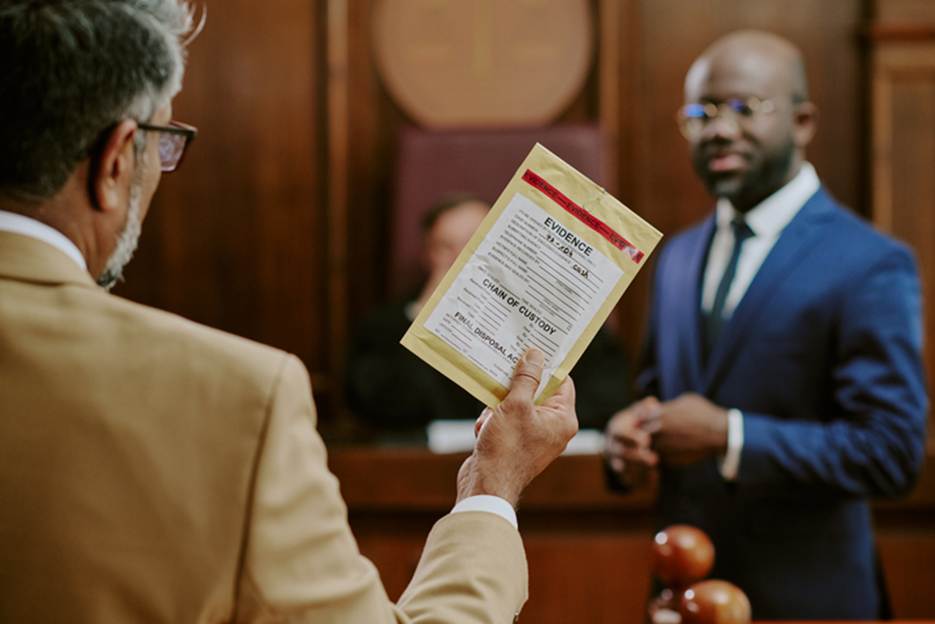
The Basics of Malicious Prosecution Lawsuits in the Bronx
At its core, malicious prosecution means the government charged you with a crime without justification, and they did it for improper reasons. In Bronx cases, these claims often stem from overzealous officers, misleading or fabricated evidence, and failures by prosecutors to vet what they’re being told. But not every bad arrest qualifies.
To file a malicious prosecution lawsuit under federal civil rights law (Section 1983), you’ll need to prove a few key things:
- You were prosecuted in the Bronx criminal system.
- The case ended in your favor (e.g., dismissed, ACD, acquittal).
- There was no probable cause to bring the charge.
- Someone acted with malice—meaning an improper motive.
- You suffered damages as a result.
Each of these elements must be backed by evidence. That’s why it’s critical to document your experience and gather key information as early as possible. Many successful claims turn on records and testimony that show how the case unfolded and who was responsible for pushing it forward without legal grounds.
What Counts as a “Favorable Termination” in Bronx Malicious Prosecution
One of the biggest misunderstandings we see is what it means to win the underlying case. You don’t need to go to trial and be acquitted. In fact, most successful malicious prosecution claims come from dismissals.
In the Bronx, a “favorable termination” may include:
- A straight dismissal by the court.
- An Adjournment in Contemplation of Dismissal (ACD).
- The DA dropping all charges.
- Dismissal following pretrial hearings.
- Vacated convictions that were later cleared.
Favorable termination is a legal concept that signals your innocence or at least the weakness of the government's case. It doesn't require the court to say you were innocent. But it does require that the outcome suggests the prosecution lacked merit or shouldn’t have been brought in the first place. This distinction matters when determining your eligibility to sue.
The Role of Probable Cause in Bronx Malicious Prosecution
Probable cause is the central issue in most malicious prosecution cases. It’s a legal term, but at its root, it just means whether there was a good reason to charge you.
In many Bronx cases, police claim they had cause based on:
- Alleged eyewitness accounts.
- Officer observations.
- Statements made during arrest.
- Surveillance or body cam footage.
But when we dig deeper, these sources can fall apart. A witness may later say they never identified you. Body cam video might contradict the arrest narrative. Officers might leave out key facts that cast doubt on your involvement.
Probable cause must exist at the time the DA decides to prosecute, not just when the arrest happens. And that’s where many cases fail, because the story told to prosecutors wasn’t the full story.
Establishing a lack of probable cause means carefully dissecting the timeline and statements made by those involved. If the prosecution moved forward without real facts or by relying on questionable evidence, the door may be open to a strong civil claim.
Malice: The Hidden Motive Behind Bronx Charges
To win a malicious prosecution case, you also have to show “malice.” That doesn’t mean the officer hated you personally. It means they had a motive other than simply enforcing the law.
We’ve seen malice in Bronx cases take many forms:
- Arrests made to cover up police misconduct.
- Charges brought to justify excessive force.
- Officers retaliating after being questioned.
- Framing someone to close a case quickly.
Malice is rarely admitted directly. Instead, it’s shown by the officer’s behavior, contradictions in their statements, and patterns in their history.
Courts understand that officers sometimes act out of frustration, fear, or to avoid accountability. Malice can be inferred when there's a clear disconnect between the facts and the decision to prosecute. A history of similar conduct, or evidence that the officer stood to benefit from the charge sticking, can all help establish this requirement.

When the Wrong Person Gets Charged in The Bronx
Mistaken identity is a recurring issue in Bronx prosecutions. We’ve seen cases where someone was arrested based on vague descriptions, or because they were near the scene. In others, the police simply got it wrong.
These wrongful charges are especially traumatic. You know you didn’t do it, but the system keeps pushing forward. Surveillance footage, witness statements, and digital evidence like texts or GPS data often help unravel these errors, if they’re preserved.
When identity is in dispute, every detail matters. Clothing, location, time of day, prior history, all of these factors can influence who gets picked out, rightly or wrongly. Proving you were misidentified takes persistence and access to the right kinds of corroborating evidence.
Key Evidence in Bronx Malicious Prosecution Claims
Your case often hinges on what evidence exists, and what’s missing. The Bronx is densely populated, with surveillance cameras on nearly every corner. Many officers wear body cams. That footage matters.
Vital evidence may include:
- Body cam and dash cam video.
- Security footage from stores, buildings, or the MTA.
- 911 calls and dispatch recordings.
- Social media posts, texts, and DMs.
- Statements from neutral witnesses.
- The officer’s disciplinary and CCRB records.
- Brady/Giglio disclosures showing credibility issues.
But it’s not just about collecting evidence. It’s about understanding how each piece fits into the puzzle. For example, if a 911 call transcript shows that the officer had conflicting information before the arrest, that can undermine probable cause. If video shows calm behavior during an alleged “resisting arrest,” it can dismantle the whole case.
Timing also matters. Surveillance footage can be erased within days or weeks. That’s why acting fast to preserve and subpoena this material is so important. Even a few seconds of video or one line in a dispatch log can be the key to showing the prosecution never should have happened.
False Statements and Fabricated Evidence in Bronx Cases
When officers lie in reports, or leave out crucial facts, it can lead to wrongful charges. Unfortunately, that happens more than people realize.
In Bronx cases, we’ve uncovered:
- Officers misrepresenting what a witness said.
- Reports that contradict video evidence.
- Omissions that skew the story to support a charge.
Fabricated evidence claims are serious. They often require proving that the officer knew the information was false and used it anyway to drive the prosecution forward. That’s a high bar, but not impossible, especially when digital records or video footage tell a different story than the paperwork.
Lying on an official police report is not just unethical; it’s a direct path to liability under Section 1983. If the falsehood played a role in your prosecution, it can be the linchpin in a successful civil case.
Differences Between Malicious Prosecution and False Arrest
These two claims sound similar, but they’re not identical. False arrest covers what happens at the beginning, when you're taken into custody without legal grounds. Malicious prosecution focuses on what happens after: the decision to keep pursuing charges.
Sometimes both claims apply. But in Bronx courts, malicious prosecution usually requires more detailed proof. That’s why documentation is so important.
The timeline is key. If your charges continued after new evidence emerged showing your innocence, that may be where a false arrest ends and malicious prosecution begins. Civil suits often include both claims to cover every stage of the injustice.
How to Protect Yourself While Charges Are Pending
If you’re still facing charges, be careful. What you say can come back to hurt your civil case later.
Here’s what we often advise:
- Don’t talk about your case on social media.
- Don’t confront the officers or the DA.
- Don’t assume a dismissal means everything disappears.
Your focus should be on documenting everything. Write down what happened, who said what, and where it occurred. Save digital records. Keep screenshots of texts, call logs, or location data. These seemingly small actions build a record that may later support your claim.
The period while charges are pending is stressful, but it’s also a time to quietly build your defense and prepare for any future civil case. Don’t let anger or frustration lead you into statements or actions that could be misinterpreted.
Can You Sue If…?
A few scenarios often cause confusion. Here’s a quick breakdown:
- ACD: Yes, if the charges were dropped and no conditions were violated.
- Guilty plea: Usually no, but exceptions exist if the plea was coerced or based on lies.
- DA dropped the case: Often yes, especially if you were arrested and charged first.
- You were convicted, then cleared: Yes, you may have a strong claim.
These situations depend on context. For instance, an ACD often qualifies as a favorable termination if you didn't violate any terms. But if your plea was part of a deal, even to a non-criminal violation, it could block your right to sue unless you can show serious misconduct.
That’s why having a lawyer review your criminal case file is so important. The outcome alone doesn’t tell the whole story. Timing, documents, and what the record actually says all influence your options.
The Legal Process: From Notice to Trial
If you're thinking about suing, here's the general path:
- Notice of claim: Must be filed within 90 days if suing the city.
- Initial investigation: Gathering documents, videos, and witness statements.
- Filing the lawsuit: Usually in federal court under Section 1983.
- Discovery: Exchanging evidence, depositions, and interrogatories.
- Motions: Defendants may try to dismiss the case (qualified immunity arguments are common).
- Trial or settlement: Many cases resolve before trial, but we prepare for both.
Each stage takes time. Discovery alone can stretch for months. But patience matters. The goal isn’t just to file a claim, it’s to build one that stands up in court. That requires discipline, access to good records, and lawyers who know how to pressure the city or officers into releasing the truth.
What Compensation Can Cover
Winning a malicious prosecution claim can lead to financial compensation. The value depends on the facts, the harm suffered, and the jurisdiction.
Damages may include:
- Legal fees from the criminal case.
- Lost wages or employment opportunities.
- Emotional distress and trauma.
- Reputational harm.
- Out-of-pocket costs.
These aren’t just numbers. They reflect what you lost—financially and emotionally—because of a prosecution that should never have happened. In some cases, courts award punitive damages to send a message. But even basic compensation can help restore your footing, both personally and professionally.
A strong case outlines every form of loss. That’s why documenting things like therapy visits, job applications, or even missed milestones can help prove your damages.
The Limits of Qualified Immunity
One challenge in these cases is qualified immunity. This legal doctrine protects officers from civil suits, unless their actions violated clearly established rights.
In the Bronx, courts are starting to push back against broad immunity claims. But outcomes still vary. That’s why your claim must be well-documented, credible, and built on a solid foundation.
Qualified immunity isn't automatic. When officers lie, omit evidence, or pursue charges without cause, they can lose that protection. The key is building a clear, factual narrative that shows how your rights were trampled and why any reasonable officer should have known better.
Let Horn Wright, LLP Help You Move Forward
If you were wrongfully charged in the Bronx and are now wondering what your options are, we can help. At Horn Wright, LLP, our attorneys know how to handle complex malicious prosecution claims with care and precision.
We’ll take the time to understand your story, gather the evidence that matters, and fight to hold the system accountable.

What Sets Us Apart From The Rest?
Horn Wright, LLP is here to help you get the results you need with a team you can trust.
-
Client-Focused ApproachWe’re a client-centered, results-oriented firm. When you work with us, you can have confidence we’ll put your best interests at the forefront of your case – it’s that simple.
-
Creative & Innovative Solutions
No two cases are the same, and neither are their solutions. Our attorneys provide creative points of view to yield exemplary results.
-
Experienced Attorneys
We have a team of trusted and respected attorneys to ensure your case is matched with the best attorney possible.
-
Driven By Justice
The core of our legal practice is our commitment to obtaining justice for those who have been wronged and need a powerful voice.