


Can You Sue If You Were Convicted but Later Cleared in the Bronx?
When a Vacated Conviction Opens the Door to a Lawsuit
Being convicted in the Bronx is a devastating experience. That’s true even if you later manage to clear your name. For many people, that reversal takes years of effort.
The harm, though, started the day you were arrested. If your conviction was overturned, vacated, or expunged, you might still be able to hold someone responsible for what happened. Yes, you may be able to sue.
At Horn Wright, LLP, we represent people across New York State who were wrongly convicted. If your case was reversed, we can help determine whether police or prosecutors violated your rights.
Our Bronx civil rights attorneys will walk through the facts and explain if you can file a federal claim under Section 1983. We believe no one should suffer injustice without a chance to be heard.
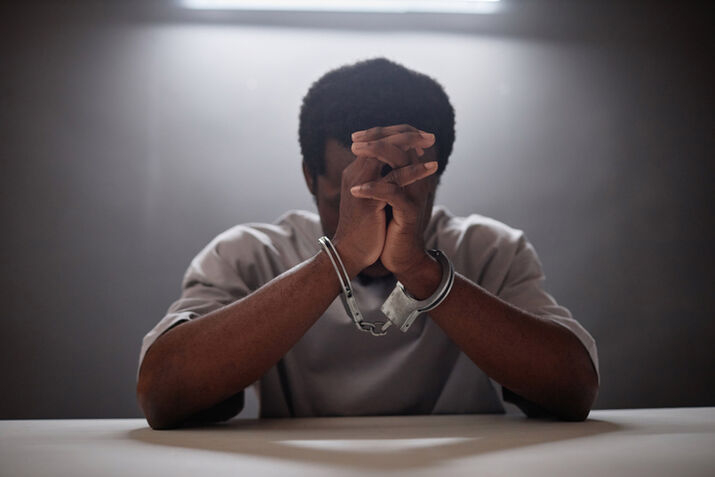
Know What "Cleared" Means After a Conviction
In legal terms, being "cleared" means more than being released or having your sentence reduced. To sue under Section 1983 for a wrongful conviction, you first need that conviction to be legally erased. That can happen in several ways:
- Reversal by an appellate court
- Vacatur through a CPL Section 440.10 motion
- Expungement
- Dismissal following a DNA exoneration or new evidence
Courts refer to this as a "favorable termination." Without it, you generally can’t sue. A record that still shows a standing conviction may prevent your case from moving forward in federal court. So, step one is confirming that the conviction is no longer legally valid.
In the Bronx, this process often involves the Conviction Integrity Unit or legal motions filed with the Bronx Supreme Court. Once the record is cleared, the next step is reviewing how that conviction happened in the first place.
Understand Why Vacating a Conviction Matters
The legal rule that applies here comes from a U.S. Supreme Court case called Heck v. Humphrey. It says you can't bring a federal civil rights lawsuit if that suit would undermine a standing conviction. The moment your conviction is vacated or reversed, that bar is lifted.
Now you’re allowed to file suit under 42 U.S.C. Section 1983. That statute lets you sue government officials, including police and prosecutors, if they violated your constitutional rights.
In wrongful conviction cases, these claims often focus on due process violations. Once your conviction is gone, your attorney can investigate how the case unfolded. If you were convicted based on false evidence, suppressed facts, or police misconduct, your cleared record becomes the basis of your lawsuit.
It’s about the legal change. The vacatur is legal recognition that something went wrong. That recognition often carries weight in civil court.
Identify How the Conviction Was Overturned
How your conviction was cleared can shape the strength of your civil rights claim. In New York, most convictions are overturned through one of these routes:
- Appeal: Higher courts, like the Appellate Division or New York Court of Appeals, reverse the conviction due to trial errors, legal flaws, or lack of evidence.
- CPL Section 440.10 motion: Post-conviction motion used to bring in new evidence or claim ineffective assistance of counsel. Often filed in Bronx Supreme Court.
- Habeas corpus: A federal court steps in to reverse the conviction, usually after state options are exhausted.
- Exoneration through DNA or new witness statements: These may involve the Bronx Conviction Integrity Unit.
Whichever route you used, the official reason behind the reversal matters. A court that overturns a case based on new innocence evidence supports a stronger claim than a reversal based only on a technicality. But both may still give you the right to sue.
Examine Whether Police or Prosecutor Misconduct Was Involved
Wrongful convictions don’t happen in a vacuum. They’re often the result of serious misconduct during the investigation or prosecution. If your case was cleared, it’s important to ask how it went wrong in the first place.
Look for signs like:
- Fabricated evidence: Officers or detectives inserted false facts into reports
- Suppressed evidence: Prosecutors failed to turn over material that would’ve helped your defense
- Coerced confessions or witness statements
- Use of unreliable informants
- False or misleading testimony by NYPD officers
The Bronx has seen high-profile cases where this kind of misconduct led to decades-long wrongful imprisonment. Civil lawsuits help expose those patterns and offer compensation for the people affected.
Review What the Court Said in the Vacatur or Reversal Decision
The court decision that cleared your name matters. The language judges use can strongly influence whether you have a viable civil claim.
For instance:
- Did the decision cite prosecutorial misconduct?
- Did it mention police lying or hiding evidence?
- Did it find your rights were violated under the Constitution?
Some reversals focus only on legal error. Others go deeper, showing systemic failures. If the ruling directly criticizes the actions of law enforcement or prosecutors, that can bolster your Section 1983 case.
Your attorney will analyze the appellate or trial court’s findings and use that reasoning to help shape your civil complaint. Even if the court was careful with its words, supporting documents like hearing transcripts may reveal the truth.
Know Which Civil Rights Claims Might Apply
After your Bronx conviction is cleared, your attorney may recommend one or more of the following claims:
- Malicious prosecution
- Fabrication of evidence
- Brady violations (failure to disclose evidence)
- Failure to intervene by supervisory officers
- False imprisonment
- Denial of due process
These fall under the umbrella of federal civil rights violations. Depending on the facts, you may sue individual officers, detectives, prosecutors (in limited circumstances), or the City of New York for its role in the injustice.
You don’t need to include every possible claim. In most cases, one or two well-supported causes of action are enough to get your lawsuit moving forward.
Consider the Damages You Can Seek
A wrongful conviction takes more than your time. It affects your mental health, career, family, and standing in the community. Civil lawsuits help make up for that harm, though no amount of money truly replaces what was lost.
Depending on your experience, you may seek:
- Compensation for lost wages and benefits
- Emotional distress and trauma
- Damage to relationships or loss of custody
- Legal fees and expenses
- Costs tied to job loss or housing instability
- Punitive damages in cases of extreme misconduct
A Bronx-based civil rights attorney can help calculate what your damages may look like. The more detailed the proof, the stronger your recovery potential becomes.
Move Quickly to Protect Your Rights
You don’t have unlimited time to sue, even after a conviction is cleared. The statute of limitations under Section 1983 is generally three years from the date of vacatur.
But waiting makes it harder to:
- Preserve documents and case files
- Locate helpful witnesses
- Retrieve surveillance or jail records
- Request disciplinary files through FOIL
If your reversal happened recently, now is the time to act. You don’t want to risk losing the chance to recover damages or force the system to account for what happened.
If you’re unsure when the clock started, an experienced attorney can review the timeline and give you a clear answer.
Speak With a Bronx Civil Rights Attorney About Your Case
Every cleared conviction has a story behind it. If yours happened in the Bronx, it likely involved a combination of local police, prosecutors, and courts. These systems are large, but they’re not untouchable.
At Horn Wright, LLP, we help people take the next step after a wrongful conviction. We know how hard it was to get the record cleared. Filing a civil rights lawsuit might sound overwhelming, but we’re here to take that weight off your shoulders.
We’ve worked on cases involving the NYPD, Bronx Supreme Court, and the Bronx District Attorney’s Office. Our attorneys understand how evidence was collected and presented, and what misconduct may be buried in the file.
A Vacated Conviction Might Be the Start of Justice
If you were convicted in the Bronx and later cleared, don’t assume your options are gone. The fact that a court wiped your record clean may open the door to a civil rights lawsuit.
What happened to you may not have been a mistake. It may have been misconduct. Filing a federal case can bring accountability, compensation, and closure.
Speak with a Bronx civil rights attorney to find out if your overturned conviction can become the foundation of something stronger: your right to justice.

What Sets Us Apart From The Rest?
Horn Wright, LLP is here to help you get the results you need with a team you can trust.
-
Client-Focused ApproachWe’re a client-centered, results-oriented firm. When you work with us, you can have confidence we’ll put your best interests at the forefront of your case – it’s that simple.
-
Creative & Innovative Solutions
No two cases are the same, and neither are their solutions. Our attorneys provide creative points of view to yield exemplary results.
-
Experienced Attorneys
We have a team of trusted and respected attorneys to ensure your case is matched with the best attorney possible.
-
Driven By Justice
The core of our legal practice is our commitment to obtaining justice for those who have been wronged and need a powerful voice.