


Mistaken Identity Charges in the Bronx: How These Cases Unravel
When False Accusations Derail Lives
Getting accused of a crime you didn’t commit is one of the most terrifying things that can happen. When that accusation is based on mistaken identity, the situation becomes even more painful.
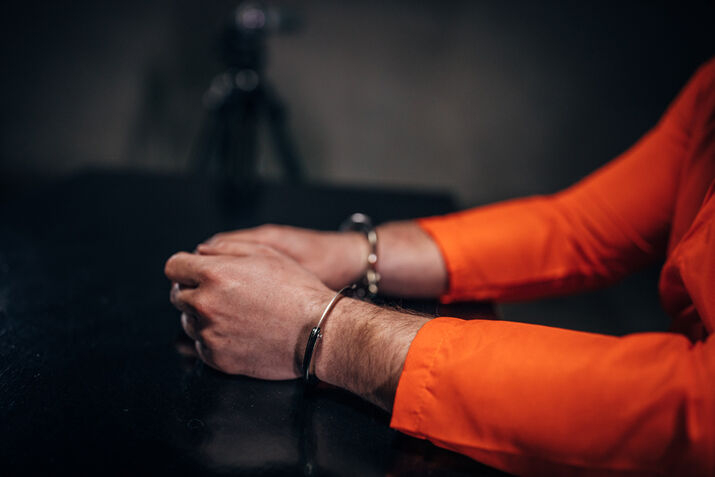
One moment you’re walking home or riding the train. The next, you’re in handcuffs, trying to convince people you’ve never seen before that you’re not the person they’re looking for. In the Bronx, this happens more often than people think.
At Horn Wright, LLP, we work with clients across New York State who’ve been falsely accused, arrested, or charged because someone got it wrong. If you were misidentified and prosecuted, a Bronx civil rights attorney from our team can help you understand your legal options.
What Counts as a Mistaken Identity Arrest
Mistaken identity happens when law enforcement or a witness identifies the wrong person as the suspect in a crime. That misidentification can happen at any point: during an emergency 911 call, in a rushed police showup, or even in court testimony. What matters is that someone pointed the finger and got it wrong.
In legal terms, a mistaken identity arrest occurs when someone is taken into custody and charged even though they had no involvement in the alleged offense. These arrests can lead to detention, prosecution, and public exposure, even when the person is entirely innocent.
In the Bronx, high case volume and fast-moving investigations can make misidentification more likely. Officers often act quickly based on vague descriptions or partial information. When that early assumption sticks, it becomes the basis for charges that take months or even years to resolve.
How Eyewitness Errors Start the Chain
Most mistaken identity cases begin with eyewitness error. Witnesses, especially in high-stress situations, often remember details wrong or focus on irrelevant characteristics. It’s a documented issue that has played a role in many wrongful convictions nationwide.
In the Bronx, common issues include:
- Witnesses identifying suspects based on clothing or hairstyle
- Language barriers or fast-changing scenes
- Police conducting show-ups where the suspect is the only person present
- Photo arrays featuring low-quality or suggestive images
Once a witness misidentifies someone, that version of events often becomes part of the official record. Police reports, complaint forms, and court paperwork reflect that narrative. Prosecutors then build a case around it.
This creates a snowball effect. The longer it takes to correct the mistake, the harder it is to stop the case. That’s why early intervention by defense lawyers or family members can make a huge difference.
Common Bronx Scenarios Where Misidentification Happens
Misidentification isn’t rare. It’s often tied to situations that unfold quickly in dense urban settings. In the Bronx, these arrests tend to happen in familiar places: near housing developments, transit hubs, or busy shopping areas.
Real examples include:
- A person matching a vague description is stopped near Fordham Plaza
- Police break up a group of teens near a NYCHA building and detain the wrong one
- Someone is pulled off a train at 149th Street–Grand Concourse based on a witness saying “he had a black hoodie”
These arrests can happen in minutes. Officers on patrol respond to a call, get a quick physical description, and grab the first person who loosely fits. When the situation is chaotic, little effort is made to verify identity before someone ends up in custody.
Sometimes, officers rely on pattern recognition. They may have seen the same person in the area before or assume a known individual is the likely suspect. That can be enough to get someone arrested without verifying whether they were involved in the reported crime at all.
How Surveillance and Body Cam Footage Helps Correct Mistakes
When identity is in dispute, video footage can make the difference. In many Bronx neighborhoods, surveillance cameras cover street corners, bodegas, train stations, and building entrances. NYPD officers also wear body cams, which may capture the moment of arrest.
This footage helps in several ways:
- Shows whether the person arrested was actually present at the scene
- Captures details the witness left out or got wrong
- Reveals whether the person complied, fled, or resisted
- Records what the officer said during the stop
In some cases, body cam video has directly contradicted written police reports. When surveillance and body cam clips align with the accused person’s version of events, it becomes much easier to challenge the charges.
Preserving video is key. Footage from public housing buildings, subway stations, and store security systems is often deleted after 30 days unless requested. A civil rights attorney can move quickly to request that evidence before it disappears.
What You Must Prove in a Civil Lawsuit
If you were arrested due to mistaken identity, you may be able to file a Section 1983 lawsuit. These cases fall under federal civil rights law and target violations like false arrest, malicious prosecution, and due process violations.
To win a lawsuit, you typically must prove:
- You were wrongfully identified and arrested
- The officers lacked probable cause to arrest you
- They failed to check evidence that could have ruled you out
- Your case ended in your favor (dismissal, acquittal, vacatur, etc.)
The standard isn’t just that a mistake occurred. It’s that the system failed to correct it when it should have. Courts want to see that officers ignored obvious inconsistencies or failed to investigate further before making the arrest.
If you were held in custody, went to court repeatedly, or faced trial based on a false identification, your claim becomes even stronger.
How Police Investigations Fall Short in the Bronx
Misidentification cases often result from gaps in basic police procedure. In Bronx precincts, where caseloads are high and resources are stretched, those gaps become more likely.
Common investigative failures include:
- Not checking ID cards, phone records, or MetroCard swipe data
- Ignoring an alibi or refusing to follow up with witnesses
- Relying solely on one eyewitness, even when their story is shaky
- Filing reports that omit key facts
When an officer could have verified your identity in five minutes but didn’t, that’s where a civil rights claim often begins.
These failures aren’t always intentional, but they’re harmful. And in the eyes of the law, negligence that leads to prosecution still counts. A missed detail can lead to days at Rikers, damage to your reputation, or loss of work and housing.
The Real-Life Consequences of Being Misidentified
Even if your case was dismissed, the effects of a mistaken identity arrest can linger. People who go through it report lasting harm: mentally, financially, and socially. These cases leave records, even if sealed. They also leave scars.
Some consequences include:
- Spending time in jail before making bail
- Losing jobs, child custody, or school opportunities
- Developing PTSD or anxiety
- Being viewed differently by neighbors or employers
Clearing your name in court does not erase what you went through. That’s why filing a civil claim can be part of the healing process. It’s a way to say this should never have happened, and it cannot happen again.
What to Do If You Were Falsely Accused
If you were arrested due to mistaken identity in the Bronx, there are steps you can take to protect your rights and start building a case:
- Request body cam and surveillance footage as early as possible
- Gather proof of your location, like text logs, photos, receipts, or MetroCard records
- Ask for all discovery from the Bronx District Attorney’s Office
- Contact people who witnessed the event and get their statements
- Speak with a civil rights attorney who has experience with mistaken arrest cases
Time matters. Some records are only kept for 30 to 90 days. Having an attorney make requests on your behalf helps ensure nothing gets lost.
Why a Bronx Civil Rights Lawyer Makes the Difference
Mistaken identity claims require more than just telling your story. They require detailed documentation, comparison of statements, and legal filings in both state and federal court. These cases need someone who understands how the Bronx criminal system operates, from the NYPD’s practices to how prosecutors screen charges.
At Horn Wright, LLP, our civil rights team works with people across New York State who were wrongly arrested, prosecuted, or detained. We know how to:
- Challenge flawed identifications
- Obtain and preserve critical video footage
- Find inconsistencies in police reports
- File federal civil rights claims under Section 1983
We believe in digging deep into the facts because the truth matters. If you were arrested for something you didn’t do, and someone else should have been held accountable, we can help you take that first step.
Being Misidentified Is a Legal Injury
When someone accuses you of a crime and the police run with it without checking the facts, that’s not a harmless error. It’s a breakdown in the justice system.
Being arrested and charged for something you didn’t do leaves real harm. You don’t just walk away from that unharmed. If you were falsely accused in the Bronx because someone got it wrong, a civil rights lawsuit may be your path to holding them accountable.
Speak with a trusted legal team that understands what you’ve been through and how to fight back.

What Sets Us Apart From The Rest?
Horn Wright, LLP is here to help you get the results you need with a team you can trust.
-
Client-Focused ApproachWe’re a client-centered, results-oriented firm. When you work with us, you can have confidence we’ll put your best interests at the forefront of your case – it’s that simple.
-
Creative & Innovative Solutions
No two cases are the same, and neither are their solutions. Our attorneys provide creative points of view to yield exemplary results.
-
Experienced Attorneys
We have a team of trusted and respected attorneys to ensure your case is matched with the best attorney possible.
-
Driven By Justice
The core of our legal practice is our commitment to obtaining justice for those who have been wronged and need a powerful voice.