


Subway and Transit Charges in the Bronx: Common Fact Disputes
When Subway Stops Lead to Unfair Arrests
Getting arrested on the subway can feel like a total shock. One moment you're passing through a turnstile, heading to work or school, and the next, you're facing accusations you didn’t expect. In the Bronx, this happens far more than most people realize. Fare evasion stops, mistaken identity, and disputes over intent can all spiral into criminal charges.
If you've been accused of a transit-related offense, a Bronx civil rights attorney at Horn Wright, LLP can help you explore your legal options. These cases often involve gray areas or questionable enforcement, and if your rights were violated, you may have a path to justice. We help people take back control after wrongful arrests.
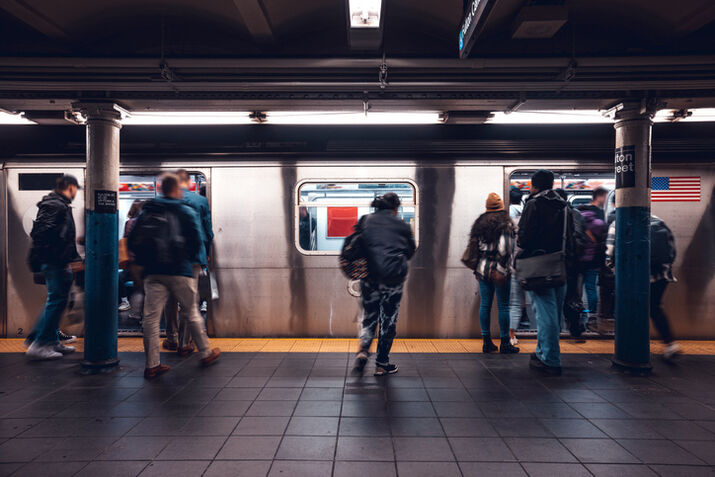
Subway and Transit Offenses in New York: What Charges You Might Face
Several specific charges appear again and again in Bronx subway cases. Some of the most common include:
- Theft of services (Penal Law Section 165.15), often used when someone is accused of fare evasion
- Trespass (Penal Law Section 140.05 or Section 140.10), for entering restricted areas or remaining in stations without a valid reason
- Disorderly conduct or resisting arrest, often added during confrontations with police or transit officers
The MTA and NYPD issue thousands of citations and make hundreds of arrests yearly in Bronx stations like 149th Street–Grand Concourse or East 180th Street. Most of these cases come from routine patrols or fare enforcement teams stationed at busy entrances. But in many instances, those charges rely heavily on one officer’s observations or assumptions.
Fare Evasion Stops: What Officers Say vs. What Happens
Fare evasion makes up the majority of subway arrests in New York City. Officers and MTA inspectors claim someone failed to pay, but the details of how vary widely. You might be accused of:
- Jumping a turnstile
- Entering through an emergency gate
- Following another person through without swiping
But here’s the issue: the law requires the officer to prove you intended to avoid paying. Intent matters. If your MetroCard malfunctioned, if you walked through an open gate without knowing it was unauthorized, or if you simply forgot to tap due to a distraction, that may not be criminal. These gray areas come up constantly in Bronx arrests.
Disputes That Arise at the Moment of Arrest
Many people are charged based on what officers think they saw, not what actually happened. Common disputes include:
- You had a valid MetroCard, but the reader glitched
- The gate was open, and no sign said not to enter
- You never went through a gate at all, but an officer claimed otherwise
Crowded stations add to the confusion. At locations like Yankee Stadium–161st Street, officers have just seconds to decide who to stop. Surveillance angles are limited, and not every gate has a camera. Sometimes, two people enter at the same time, and one gets mistakenly accused.
When police write reports based on fast observations or mistaken assumptions, those reports can misrepresent the truth. That becomes a problem if prosecutors later rely on that version without question.
Mistaken Identity in Crowded Subway Stations
Mistaken identity plays a major role in transit-related arrests. Especially during busy hours, officers may:
- Stop someone who fits a general description
- Pick the wrong person after a brief chase
- Arrest someone because they were near another suspected individual
This happens more than most realize. Wearing similar clothes, carrying a bag, or simply being in the wrong place can draw attention unfairly. These stops often lead to embarrassment, physical detainment, or even handcuffing before anything is confirmed.
Video from MTA surveillance or police body cams may later prove the person arrested never committed the offense. But by then, the damage is done. A person might spend a night in jail or face a criminal court appearance based on someone else’s actions.
Overcharging: When Police Add Extra Charges Without Cause
What starts as a fare issue often escalates. Officers sometimes add serious charges based on how the stop plays out. These additions are often based on behavior, not criminal intent:
- Resisting arrest if someone pulls away from handcuffs or freezes in fear
- Obstruction of governmental administration if the person asks questions or records the encounter
- Criminal trespass when someone walks into a platform area to ask for help or wait for a friend
These charges can transform a low-level matter into something that appears far more serious. In reality, the facts may not support them at all. Officers sometimes use overcharging as leverage to pressure a person into pleading guilty just to make the situation end.
When Video Footage Contradicts the Police Report
Video evidence has become one of the most powerful tools for fighting wrongful subway charges. The MTA operates extensive surveillance across many Bronx stations. Some platforms and fare areas are fully covered, while others only have partial visibility.
Useful video includes:
- Turnstile camera footage showing whether someone paid or not
- Station hallway footage showing who entered through which gate
- NYPD body camera footage showing how the stop and arrest unfolded
When reports and videos don’t match, it raises serious questions. Yet many people never get access to that footage unless they have a lawyer who knows how to request it quickly. MTA and NYPD footage is sometimes overwritten or deleted after a short period.
The Consequences of Low-Level Transit Charges
Many people assume subway arrests are minor. But even a theft of services charge can carry real harm:
- A permanent arrest record, even if charges are dismissed
- Hours or days spent in jail before arraignment
- Missed school, work, or child care obligations
- Emotional trauma and fear of public spaces after the event
People with immigration concerns, jobs requiring background checks, or pending applications for housing may face added pressure. A single incident can affect your ability to earn a living or maintain family stability.
For younger people, these arrests can damage long-term goals. Many colleges and employers ask about past charges, even if they were ultimately dismissed.
Civil Rights Violations in Subway Arrests
Some subway arrests cross the line into civil rights violations. You may have a legal claim under federal law if:
- You were arrested without probable cause
- The officer knowingly filed a false report
- You were treated differently based on race, language, age, or appearance
- Excessive force was used during a nonviolent stop
Even low-level criminal charges don’t erase your rights. Officers must follow the law, document facts accurately, and avoid discriminatory enforcement. If they fail to do that, the law gives you the right to seek damages.
Wrongful subway arrests may result in lawsuits under Section 1983, a federal statute that protects against violations of constitutional rights. These suits can result in compensation for lost wages, emotional harm, reputational damage, and more.
How Civil Rights Attorneys Investigate Transit Arrests
Our firm works with Bronx clients who were wrongfully arrested in subway encounters. Here’s what we look for:
- Gaps between the police report and what happened
- Surveillance that contradicts officer statements
- Overcharging or misidentification patterns
- Witnesses, fellow riders, or cellphone video from the scene
We also examine the broader context: whether the officer involved had a history of complaints, whether enforcement appeared racially biased, and whether you were denied basic rights during or after the stop.
Each case starts with your story. If the facts are on your side, and the record doesn’t reflect them, you may be able to file a civil claim and seek accountability.
Subway Charges Deserve Close Scrutiny
Bronx transit arrests are often built on shaky assumptions.
If you were stopped, detained, or arrested in the subway system and the facts don’t support the charges, you are not alone. These cases deserve more than a quick plea and a forgotten court date. They deserve careful review.
If you feel your rights were violated, our Bronx civil rights lawyers can help you push back. You may have options to clear your name and seek justice.

What Sets Us Apart From The Rest?
Horn Wright, LLP is here to help you get the results you need with a team you can trust.
-
Client-Focused ApproachWe’re a client-centered, results-oriented firm. When you work with us, you can have confidence we’ll put your best interests at the forefront of your case – it’s that simple.
-
Creative & Innovative Solutions
No two cases are the same, and neither are their solutions. Our attorneys provide creative points of view to yield exemplary results.
-
Experienced Attorneys
We have a team of trusted and respected attorneys to ensure your case is matched with the best attorney possible.
-
Driven By Justice
The core of our legal practice is our commitment to obtaining justice for those who have been wronged and need a powerful voice.